
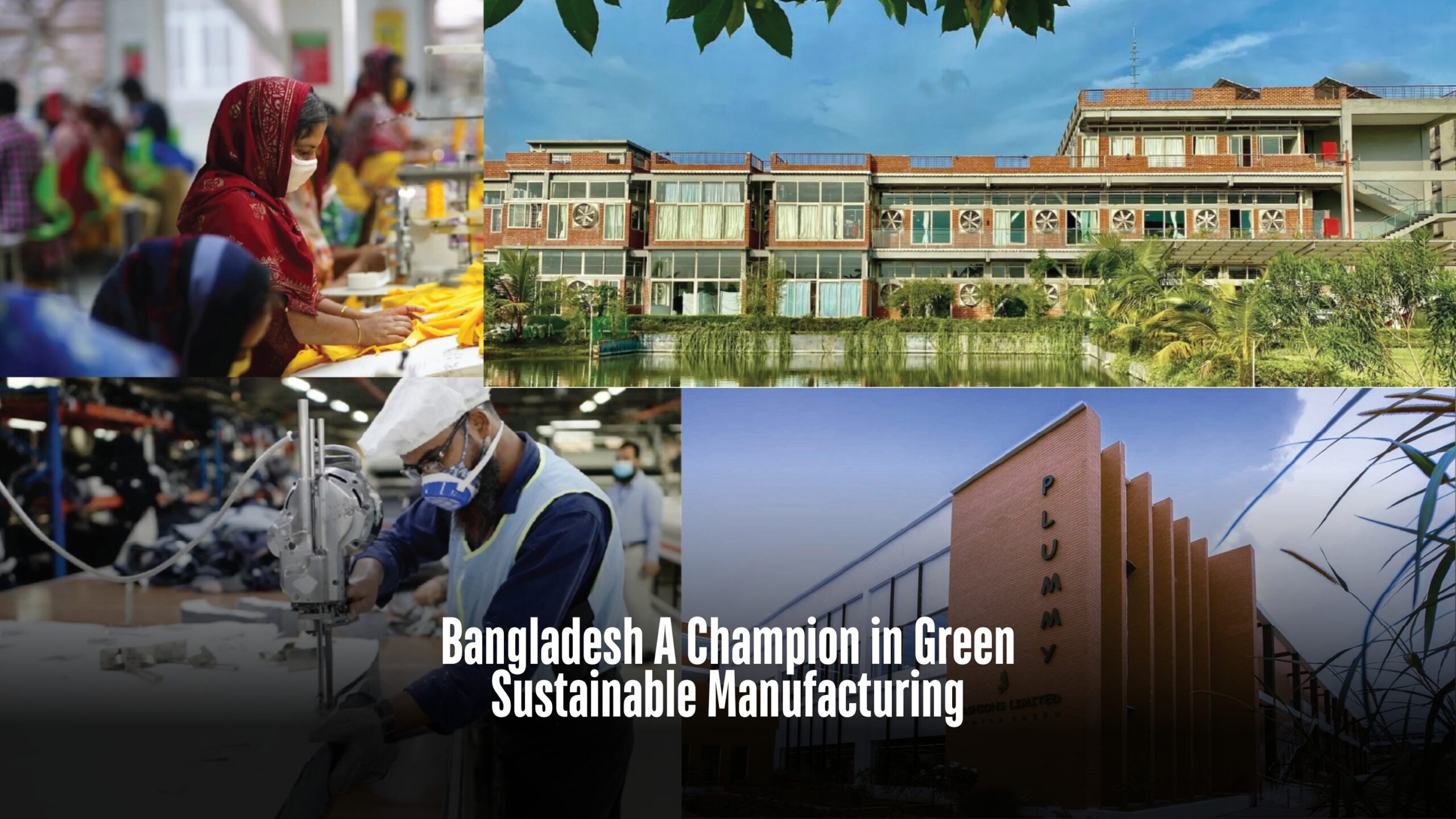

Bangladesh’s garment industry, once marred by tragedy and global scrutiny, is now leading a quiet revolution in sustainable manufacturing. The world’s second-largest producer of readymade garments, the south Asian nation is currently home to the highest number of green factories in the world.

The change did not come overnight. From being hit by twin disasters that damaged the country’s global image to emerging as a frontrunner in green production, the journey was far from smooth.
From solar-powered facilities to water-saving technologies, local manufacturers have embraced environmental compliance not just to rebuild trust—but to redefine Bangladesh’s role in the global supply chain.
A decade ago, in the wake of the Tazreen Fashion fire and the Rana Plaza collapse, the garment sector suffered a severe reputational blow. End consumers began chanting slogans against Bangladeshi garments, claiming the clothes were blood-stained, and started avoiding locally made apparel.
As a result, both international clothing retailers and brands, as well as local manufacturers and suppliers, faced trouble as the inflow of work orders declined after the crisis.
However, Western consumers’ buying behaviour was also changing at that time, as they began preferring products made with environmental protection in mind and in adherence to higher compliance standards.

Retailers, brands, and local manufacturers capitalised on this green shift—primarily to restore the image of the apparel sector and, by extension, the country’s reputation among international communities and Western consumers.
As part of this strategy, local manufacturers began greening their production facilities to convince Western consumers that Bangladesh adheres to international compliance standards in the garment trade. Moreover, there was pressure from international communities to reduce carbon emissions.
Consequently, factories were built following guidelines from the US Green Building Council (USGBC), the body that certifies Leadership in Energy and Environmental Design (LEED) for environmental sustainability.
Within a short span of time, Bangladesh saw the establishment of 263 LEED-certified factories, of which 111 are Platinum rated, 133 Gold, 15 Silver, and four Certified.
The best part is that Bangladesh boasts 68 of the world’s top 100 highest-rated LEED-certified factories. Almost all top LEED-certified apparel manufacturing units are located in Bangladesh—a milestone that testifies to the vision and resilience of the country’s apparel entrepreneurs.
This is not all. Over 500 more factories are currently awaiting certification from the USGBC. By investing in green buildings and sustainable practices, manufacturers are not only reducing environmental impact but also enhancing efficiency, cutting costs, and strengthening Bangladesh’s reputation as a responsible and forward-looking sourcing destination. Their commitment ensures that the industry remains globally competitive.
Fazlee Shamim Ehsan runs one of the greenest garment factories in the world. He is the managing director of Narayanganj-based Fatullah Apparels Limited, which earned LEED Platinum certification from the USGBC with a score of 97 out of 110—one of the highest ever awarded globally in the apparel sector.
Ehsan said: “Local manufacturers began building green garment factories primarily to improve the image of the sector and the country. Environmental protection has also become a crucial part of the global supply chain, particularly in reducing carbon emissions,” he added.

“Manufacturers are not only greening their factories but also adopting new technologies. By greening their factories, they can reduce underground water consumption by 40 percent and save 35 to 40 percent in electricity costs,” Ehsan said.
“Manufacturers also preserve rainwater through harvesting systems, using it primarily for flushing toilets.”
According to Ananta Ahmed, managing director of 360 Total Solution Limited (360TSL), a sustainable development consultancy company, some Platinum-rated LEED garment factories can reduce carbon emissions by up to 70 percent.
This means that if a normal factory emits 100 megatonnes of carbon, a specially built Platinum factory emits only 30 megatonnes, he said.
It is even possible to achieve net-zero carbon emissions by installing new technologies and adopting innovative practices. However, average-rated garment factories typically reduce emissions by 30 to 40 percent.
Garment factories are now using solar panels, as required by Western buyers, which reduces dependence on fossil fuels and provides natural lighting, significantly cutting carbon emissions, he said.
Do green factories cost more to build than regular ones?
Many assume green garment factories are costlier to build, but they are actually more economical and yield higher long-term profits, said Ananta Ahmed, also a faculty member of the US Green Building Council (USGBC).

Construction costs are roughly 10 percent lower than those of conventional factories, he noted.
In Bangladesh, green factories also enjoy a reduced corporate tax rate of 10 percent, compared to 12 percent for non-green facilities.
Profitability is significantly higher. Studies show that while a conventional factory may earn Tk 50 crore, a green facility can generate up to Tk 100 crore—thanks to savings on water and electricity, tax incentives, and a steady flow of work orders from international buyers.
Buyers tend to prioritise green-certified facilities when placing orders, as end consumers increasingly prefer sustainably produced goods.
Green factories may not command higher prices, but they attract more orders and are crucial for meeting European Union (EU) environmental regulations—now a key condition for sourcing from Bangladesh.
Mahmud Hasan Khan, president of the Bangladesh Garment Manufacturers and Exporters Association (BGMEA), said buyers are not offering higher prices for green factories, but they are prioritising automation, sustainability, energy efficiency, water conservation, and recycling.
These factors, he noted, are driving indirect gains for the industry by attracting more work orders.
Adoption of New Technologies
To cut water use in washing and dyeing, many factories have recently adopted advanced technologies. According to studies by the International Finance Corporation’s PaCT programme, over 338 Bangladeshi factories have reduced freshwater consumption by 25 million cubic metres annually, while slashing wastewater discharge by 21.08 million cubic metres.
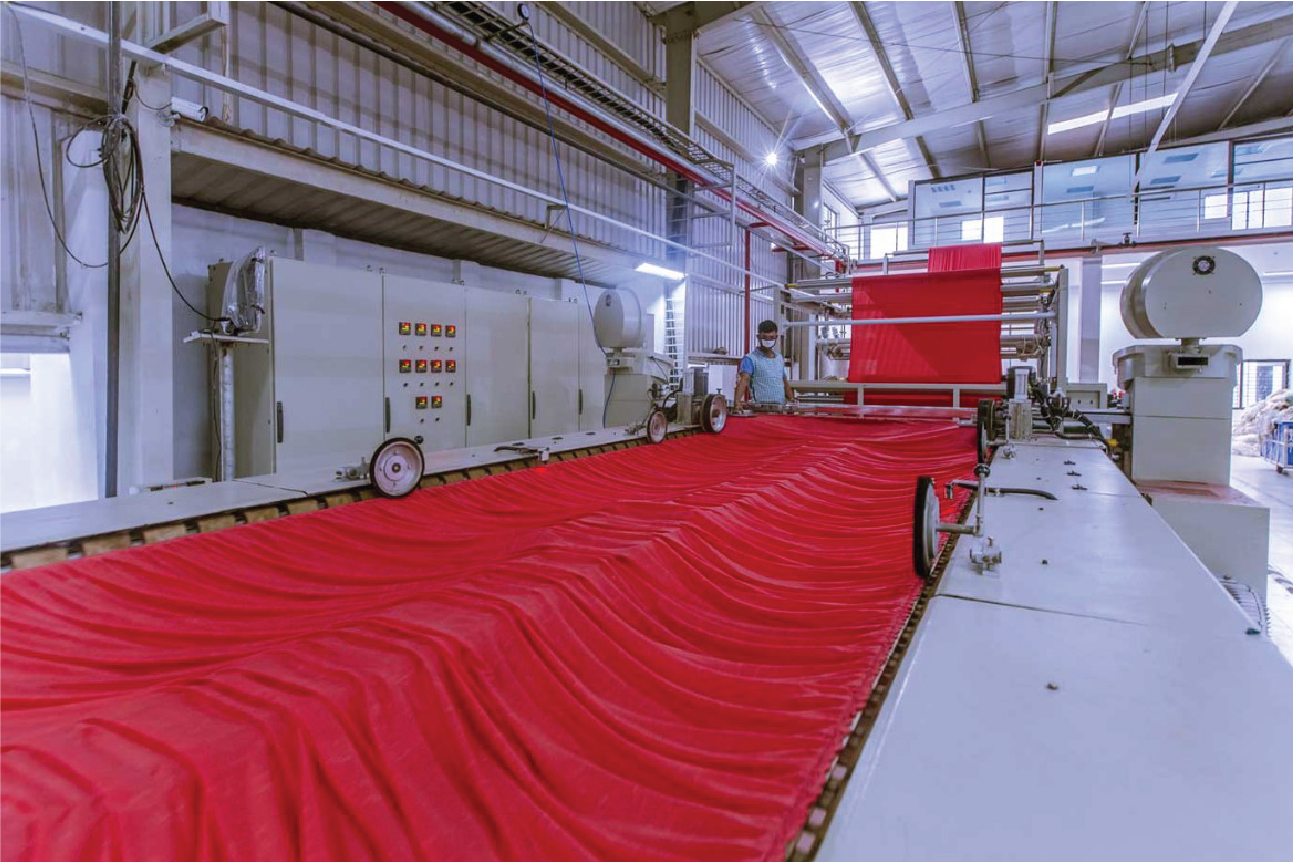
A decade ago, washing one kilogram of denim required nearly 200 litres of underground water. Today, that has dropped to 50 to 53 litres. With the latest innovations, usage can fall further to just 25 to 30 litres, said Ananta Ahmed.
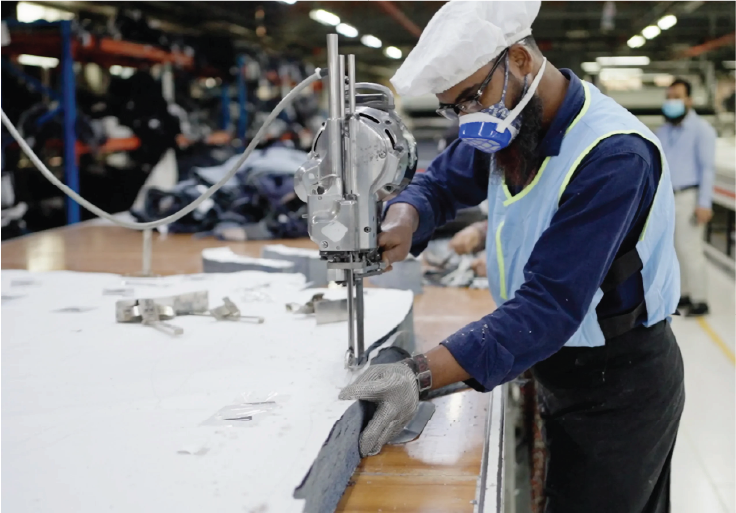
Bangladesh employs nearly four million workers in the garment sector, which holds immense potential to capture more global market share.
The adoption of green initiatives by local garment suppliers is a highly positive move, especially as consumer buying behaviour has evolved significantly. Western consumers now prefer environmentally friendly clothing, as they are highly conscious buyers.

They believe in sustainability and environmental protection—values that green garment factories uphold. Continued greening of the sector will help Bangladesh meet the EU’s stringent environmental compliance requirements in the near future.
Therefore, both private sector entrepreneurs and the government should continue greening factories for long-term benefits and for future generations.
Written by Refayet Ullah Mirdha