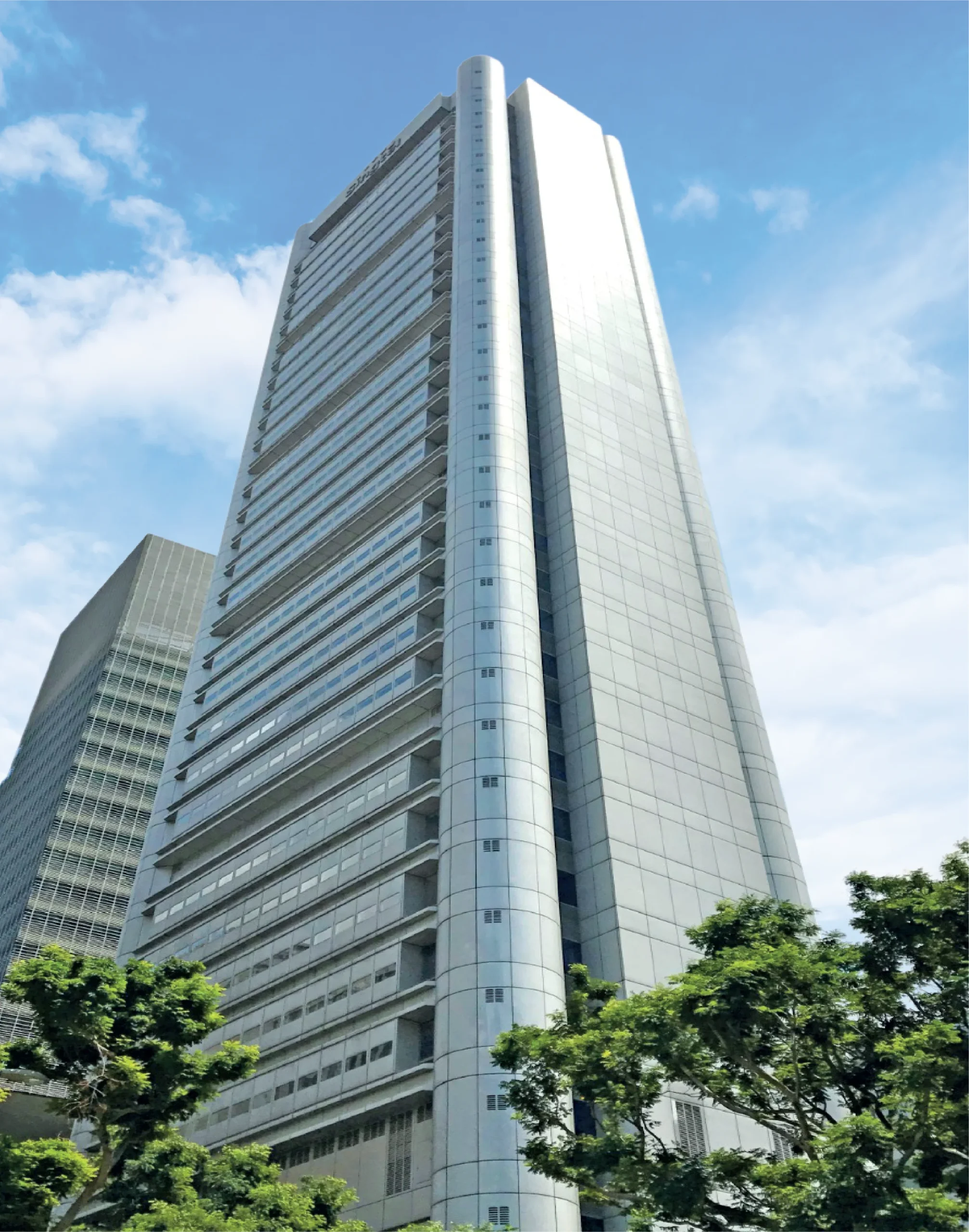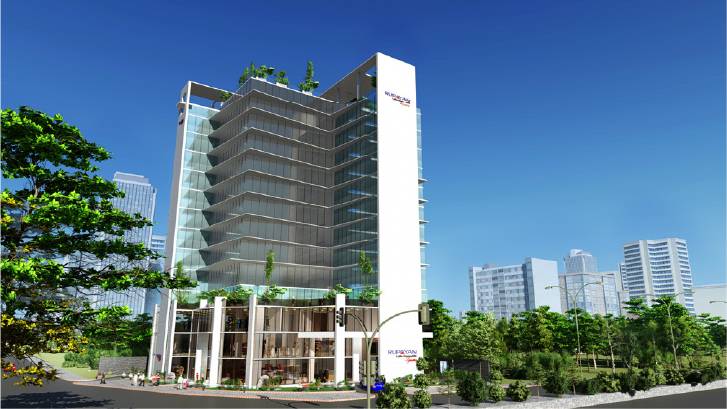


The Building Technology & Ideas Ltd (bti), a real estate developing company in Bangladesh, started its journey in 1984. Over the years, the company has become a pioneer in the construction of high-rise and luxury buildings in the country. The company has already constructed around 450 buildings so far, and is working on 72 projects at the moment, and additional 100 projects are in pipelines. It has around 8,000 clients.
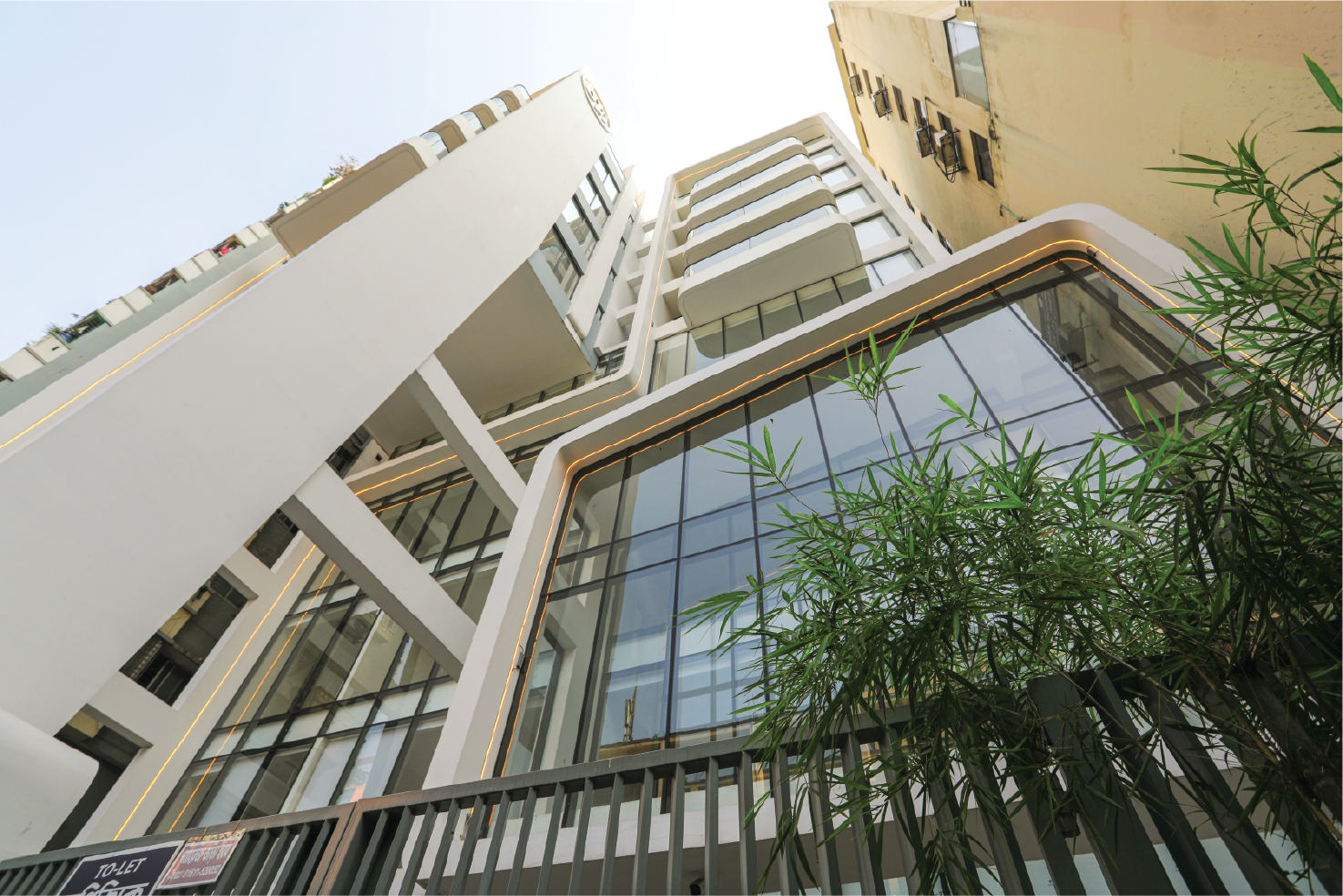
“Thanks to maintaining customers’ commitment, accountability, delivering product timely, and ensuring quality products, the bti has made its today’s place in the country’s real estate sector,” Faizur Rahman Khan, managing director of the bti, shared his views with the Ceramic Bangladesh Magazine in an exclusive interview.
He said the company’s motto is customer satisfaction. However, the bti started its journey with three projects in 1984. The company had six projects in 1990.
How did bti expand its business?
In 1992, it started building costlier luxury apartments in Gulshan at first, and in 1993 in Baridhara. It was a milestone for the real estate sector. Basically, the housing industry continued to expand after 2000. But in the 2007-08 year, the industry began to suffer owing to political unrest, Faizur Rahman informed.
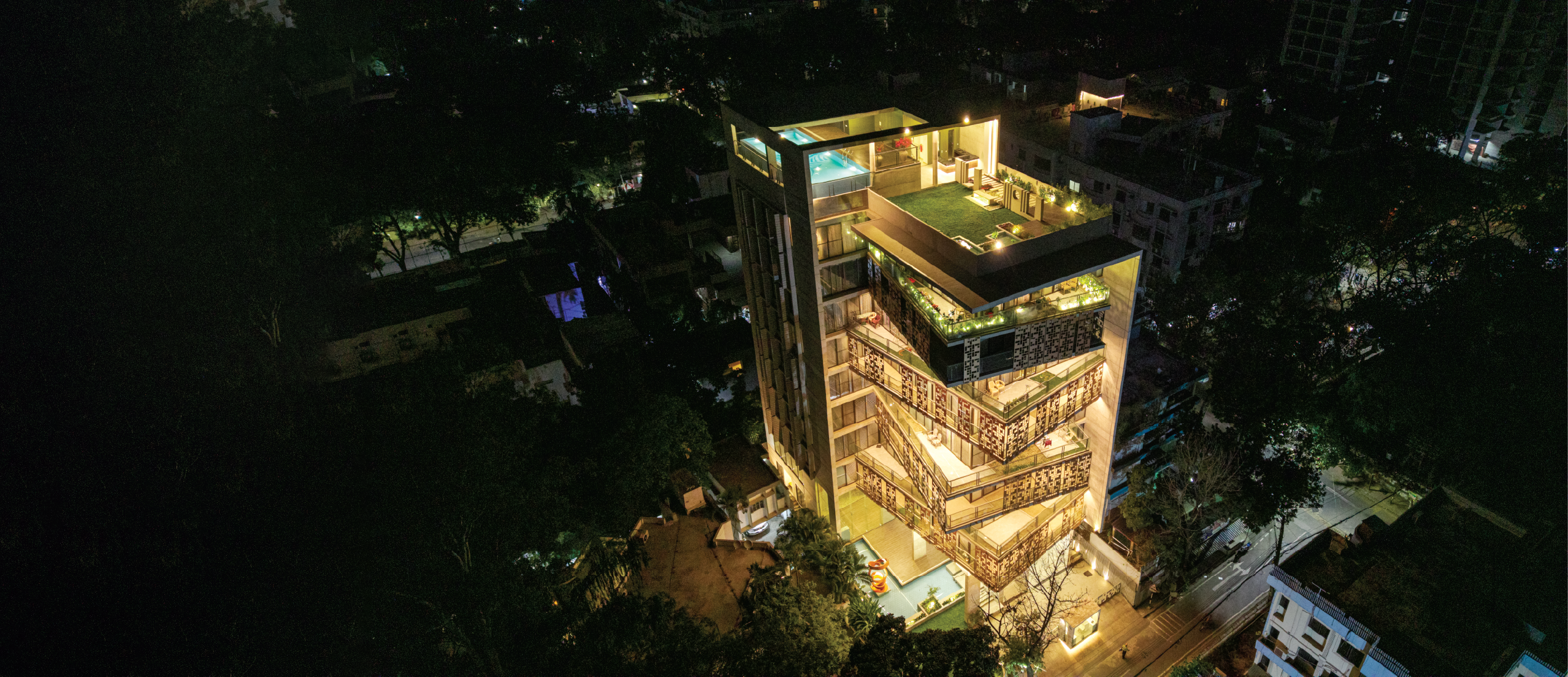
He stated that innovation is what sets the company apart from others. “We always try to bring innovation in every project. Customers are overwhelmed by our diversity. That is why they feel comfortable with the bti. Now it is a leader in aesthetic architecture.”
In the 1990s, real estate companies faced a difficulty to buy land for housing as individual owners did not want to give up their lands easily. Besides, there were also complications regarding the registration of lands and flats.
The bti took the initiative to build houses by sharing apartments with the landowners and approached the government for legislation. Later, only land registration was possible at the time. As a result, if you bought a flat, you would not be the owner of the land. “We started linking the flat ownership with the land ownership,” he said.
He added that the Real Estate and Housing Association of Bangladesh (REHAB) has 500- 600 registered members. Of this, literally, there are 5-6 companies who are very active in the sector, and 10-12 companies who did one-two projects. The rest of the companies are ‘name only company’.
“We cordially maintain commitment to customer, and hand over projects timely which are very crucial for the business. Even, we try to hand over projects before several months ago from agreement time for last few years. We don’t compromise in design and construction so we follow all codes, and rules of RAJUK and other organizations. We think so that clients are not faced any troubles in future,” the managing director said.
Basically, bti serves three category of apartments – luxury apartment, classic, and affordable. The luxury apartments are generally built in Gulshan, Banana, Baridhara, and Dhanmondi areas. Classic apartments high demand to customers. The highest number of this apartments is in Bashundhara region where 40 mid-level projects are undergoing, and others are at Lalmatia, Mogbazar, and Segunbagicha areas.
“Finally, affordable apartments—recently we started this as IMF and World Bank encourage it to ensure SDGs,” Rahman said. Generally, its apartment size is 500-600 squre feet. Its price is less than Tk 50 lakh. Customers can buy the apartment taking 70% of loan. So, bank loan should be fixed at reasonable interest rate for a long time.
Ensuring safe and affordable housing for all
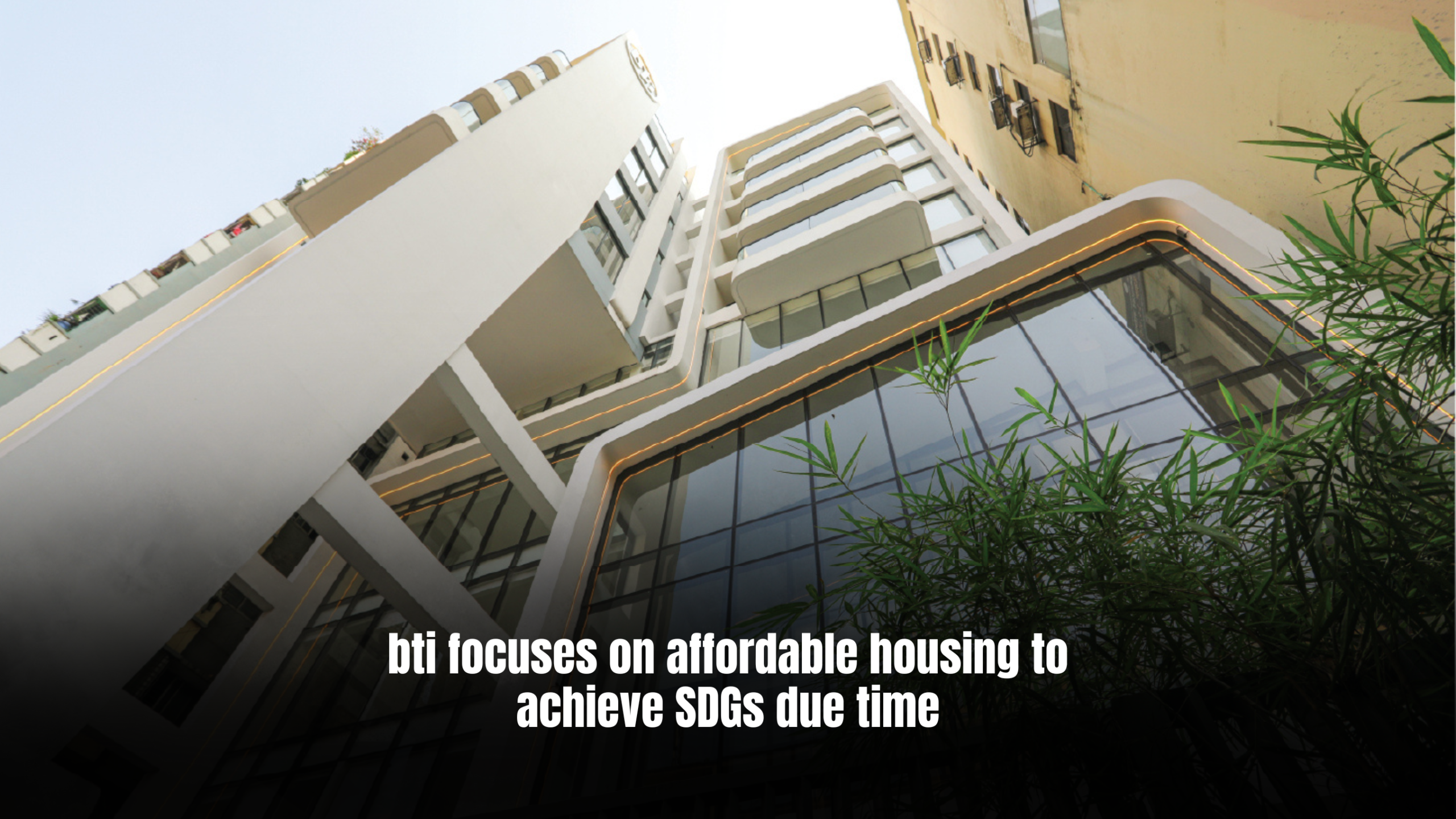
Faizur Rahman highlighted that now the bti is focusing on affordable housing to achieve Sustainable Development Goal (SDGs) right time. In this regard, they discuss with a Japanese company to ensure Tk 200 crore investment in the industry.
The affordable housing is addressed within the United Nation (UN)’s SDG- 11, which aims to make cities and human settlements inclusive, safe, resilient, and sustainable. Specifically, SDG target 11.1 by 2030 calls to ‘ensure access for all to ensure adequate, safe and affordable housing and basic services, and upgrade slums’.
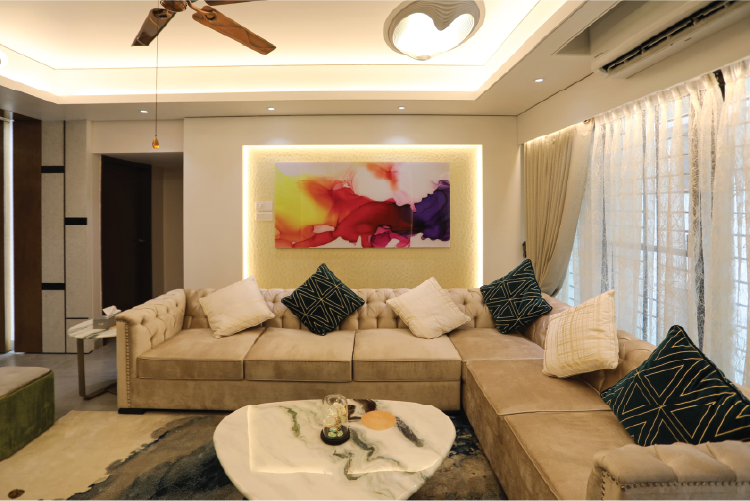
“To achieve the goal, all government’s officials should be cordial. There is needed a bribe, corruption, and hassles free business environment in the country,” he also commented.
Real estate industry facing multiple challenges
Faizur Rahman highlighted that the industry is facing multiple challenges including Detailed Area Plan (DAP). The DAP should be practical. There is a big gap between academia and industry. To make it successful, there is needed consultation with the realtors. The Floor Area Ratio (FAR) should not reduce such level which will create a problem to give space for the people as it is a density population country.
Investment in projects has become slow as the government halted many mega projects. Besides, there is political instability right now. So, the demand for apartments also decline.
Potential of ceramic products in housing industry
Faizur Rahman said there is huge potential of ceramic products particularly tiles in real estate industry. The demand for the items rapidly increased in both local and international markets. The products contribute to bring attractive, and save time in construction of buildings.
Written By Rafikul Islam