

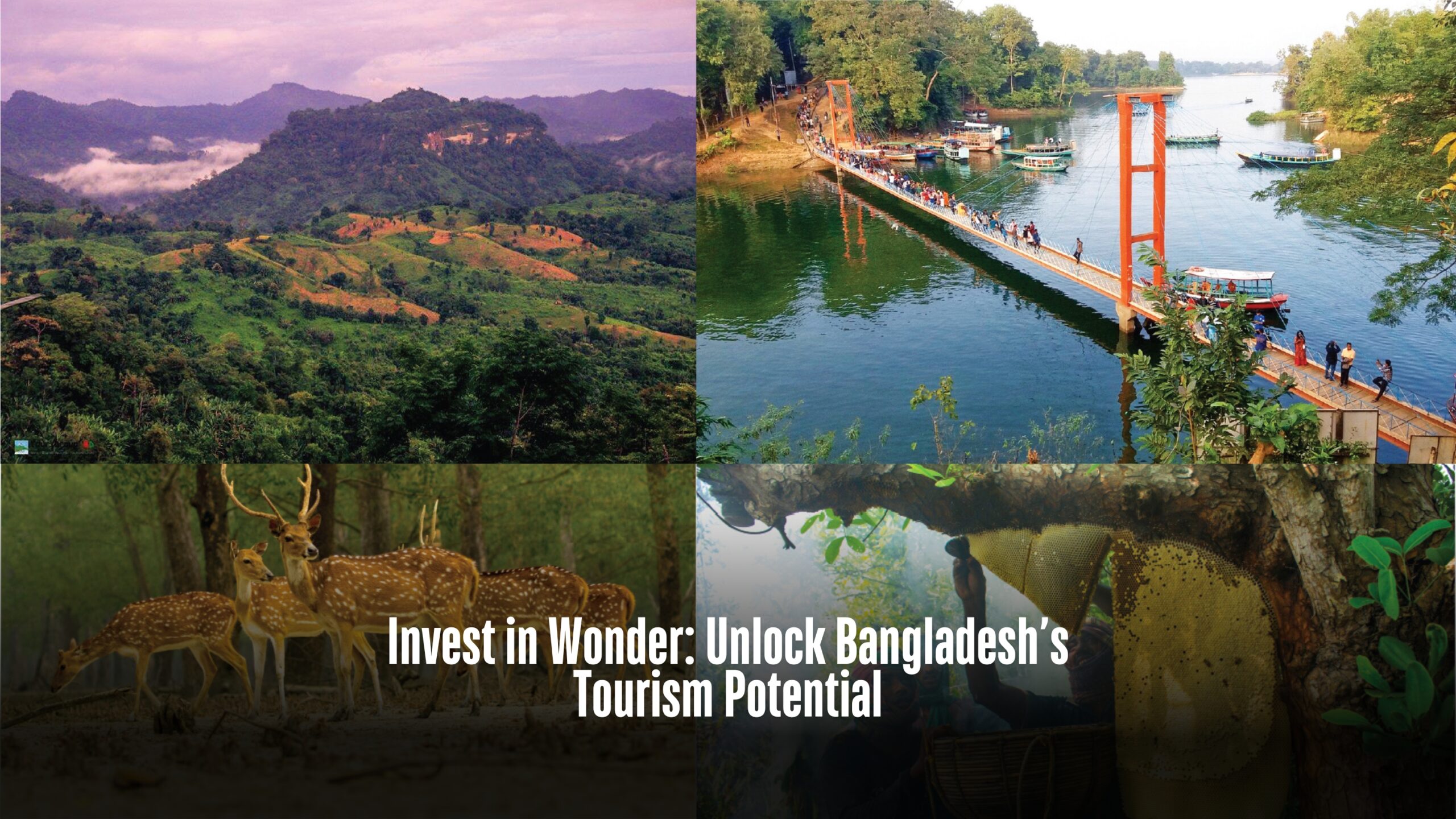

In a country that ranks as the eighth most populous in the world, both opportunities and challenges in the tourism sector are rising exponentially. While popular destinations often experience near-zero vacancy during holidays, many other locations still require significant development and promotion to comprehend their full potential and generate substantial revenue.

Globally, the travel and tourism sector contributed $10.9 trillion, or 10% of global GDP, in 2024. It is projected to reach $16 trillion—11.4% of global GDP by 2034, marking an unprecedented decade of growth and presenting a $16 trillion opportunity for nations like Bangladesh.
This global boom calls for a crucial opportunity for Bangladesh, to transform its natural landscapes, coastlines, and cultural heritage into sustainable tourism assets that drive growth, generate jobs, and strengthen the economy.
That being said, here are a few travel destinations in Bangladesh, each poised for significant growth:
Cox’s Bazar Beach
Loved by both domestic and international travelers, Cox’s Bazar—home to the world’s longest uninterrupted natural sea beach remains a go to tourists’ destination. Whether it’s a leisurely drive along the marine Drive, hunting for authentic local goods, strolling under the moonlit shore, savouring fresh seafood, or simply escaping the nine-to-five grind, Cox’s Bazar offers something for everyone. In the social media era, now more travel enthusiasts are discovering its full potential.

Ongoing development and upgrades of international-standard hotels, resorts, and specialized eco-retreats, particularly in hotspots like Cox’s Bazar, are set to expand opportunities for a diverse range of visitors. Its ultimate challenge, however, lies in implementing a sustainable master plan that promotes economic growth while protecting the fragile environment and safeguarding the well-being of its diverse communities.
The Sundarbans
As global demand for ecotourism rises, the Sundarbans holds immense potential to become a flagship destination that blends conservation with community empowerment. This UNESCO World Heritage Site offers serene landscapes, golden sunsets, and the rare glow of bioluminescent plankton, making it a truly world-class destination in waiting. Its network of waterways presents a unique chance to generate significant financial returns while serving the global public good. Comfortable resorts in Khulna provide ideal bases for travellers to relax while experiencing the region’s exceptional ambiance.

The Sundarbans is a global Blue Carbon hub, absorbing carbon faster than any land forest. By promoting eco-friendly lodges, safe walkways, and guided wildlife tours, visitors can experience its unique beauty without damaging one such valuable global asset. Empowering local communities and ensuring they share in tourism benefits will make every visit meaningful not only for the travellers but also for the people and pulse of Sundarbans.
Kuakata
Kuakata is one of the few places in Bangladesh where one can witness both sunrise and sunset over the sea, offering breathtaking vistas for Instagrammers and nature lovers. Unlike Cox’s Bazar, its beaches are relatively less crowded, providing a more peaceful coastal experience.

The area is also a significant hub for the Indigenous Rakhine community, who settled here after being expelled from Arakan (Myanmar) in the 18th century. The adjacent forests and secluded beaches are home to diverse bird species and natural phenomena like Red Crab Island (Kakra Dwip), where thousands of bright red crabs emerge at low tide, creating a stunning visual spectacle.
The inauguration of the Padma Bridge in 2022 drastically reduced travel time from the capital, Dhaka, making Kuakata significantly more accessible and fuelling a rise in domestic tourism. With growing potential for quality accommodations, infrastructure, and adventure services, it is emerging as a promising alternative to Cox’s Bazar.
Keokradong
‘‘Nothing can beat Bandarban’’—that’s how people often describe their favorite tourist destination in Bangladesh.”
It’s picturesque, wild, and untouched—an experience that makes visitors want to return here again and again. Often called the “roof of Bangladesh,” Bandarban is home to the country’s highest peaks, including Tahjindong (Bijoy), Mowdok Mual, and Keokradong. Its cloud-kissed mountains, dense forests, winding rivers like the Sangu, tranquil lakes, and numerous waterfalls make it a paradise for nature lovers.

While the road infrastructure has significantly improved, high-quality accommodations for guests remain limited. Current constraints including infrastructure, quality lodging, and adventure services—should not be seen as roadblocks, but rather as clear market signals for innovative developers to help this stunning destination reach its full potential.
Rangamati
For those seeking the true ethnic flavors of Bangladesh, Rangamati is the answer. As the administrative heart of the Chittagong Hill Tracts and home to diverse indigenous communities, it offers rich cultural experiences and a unique dimension to tourism.
Known as the “Lake City,” Rangamati is surrounded by lush hills and hosts Bangladesh’s largest artificial lake, Kaptai. Its scenic boat rides allow visitors to explore tranquil waters and islands, while notable sites such as Rajban Vihara, a prominent Buddhist monastery, attract travelers for their religious and architectural significance. The region’s indigenous communities are also celebrated for their handwoven textiles, offering beautifully crafted souvenirs at local markets. For the adventurous, Rangamati presents exciting trekking routes along its picturesque hill trails.
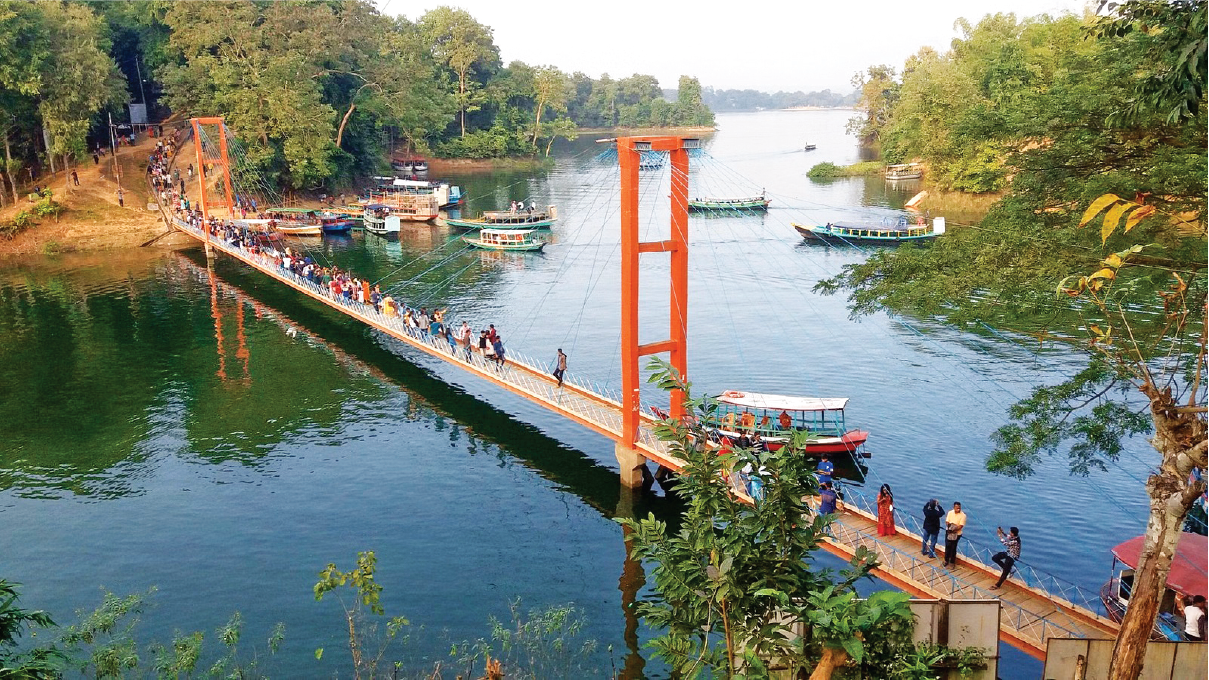
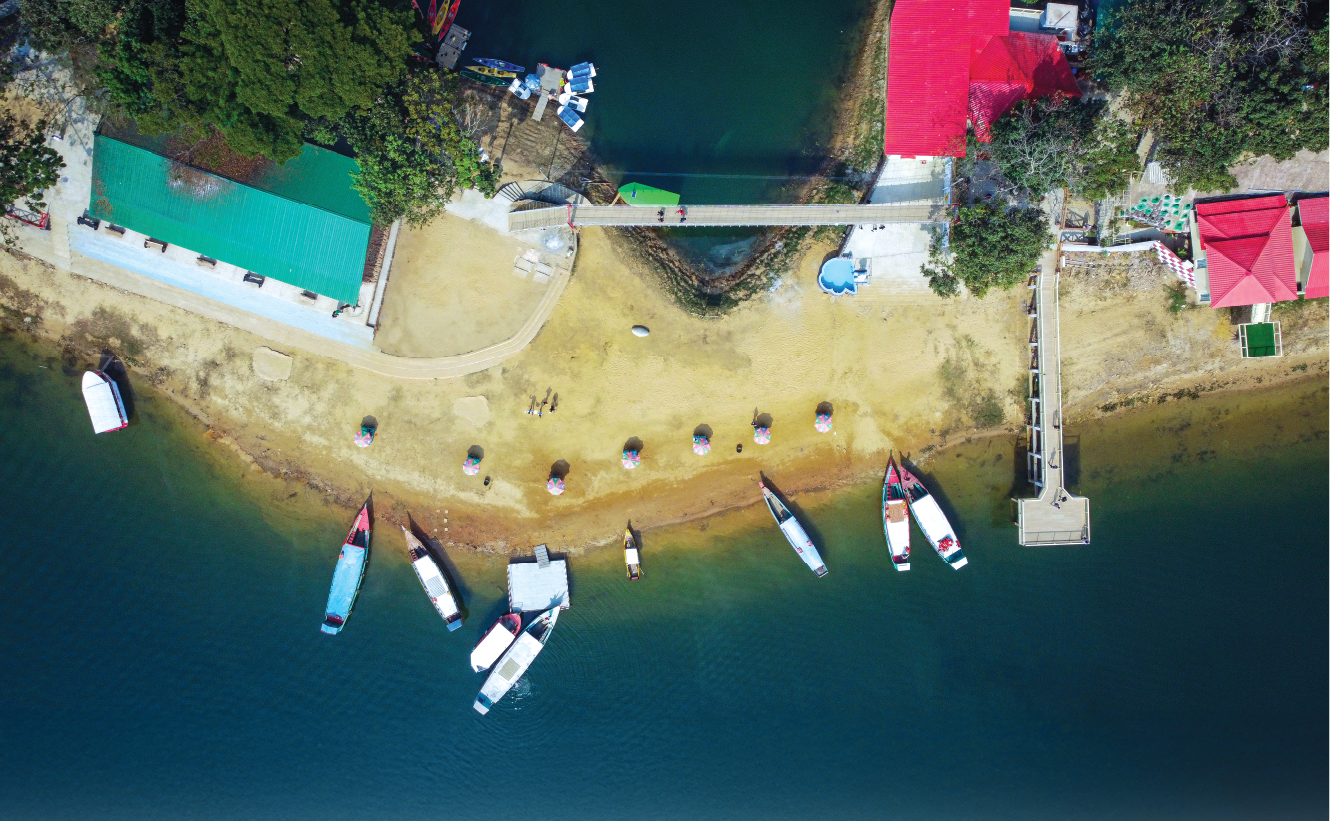
By actively involving local communities in planning and management, the region can ensure that economic benefits are equitably shared while preserving its cultural and environmental heritage for generations to come.
Muktagacha Jamidar Bari
The Muktagacha Zamindar Bari in Mymensingh is a magnificent, though perhaps less-discussed, testament to Bangladesh’s rich architectural and cultural heritage. This historic estate, once home to affluent landlords, offers a window into the country’s aristocratic past, showcasing classic colonial-era architecture, intricate woodwork, and expansive courtyards.
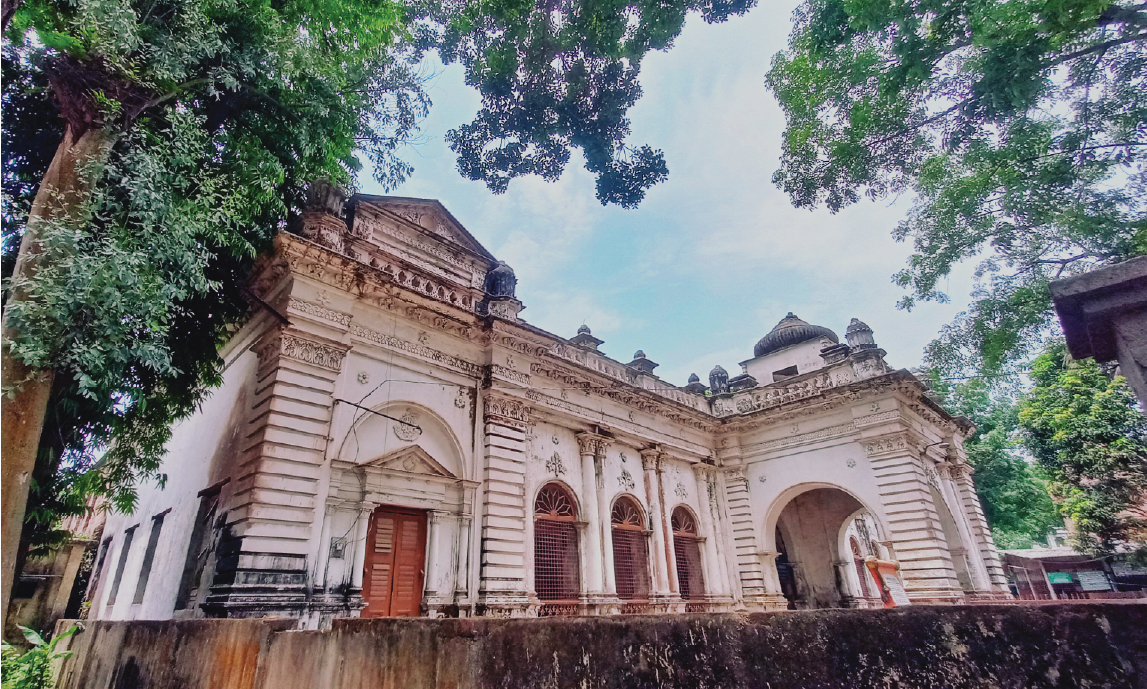
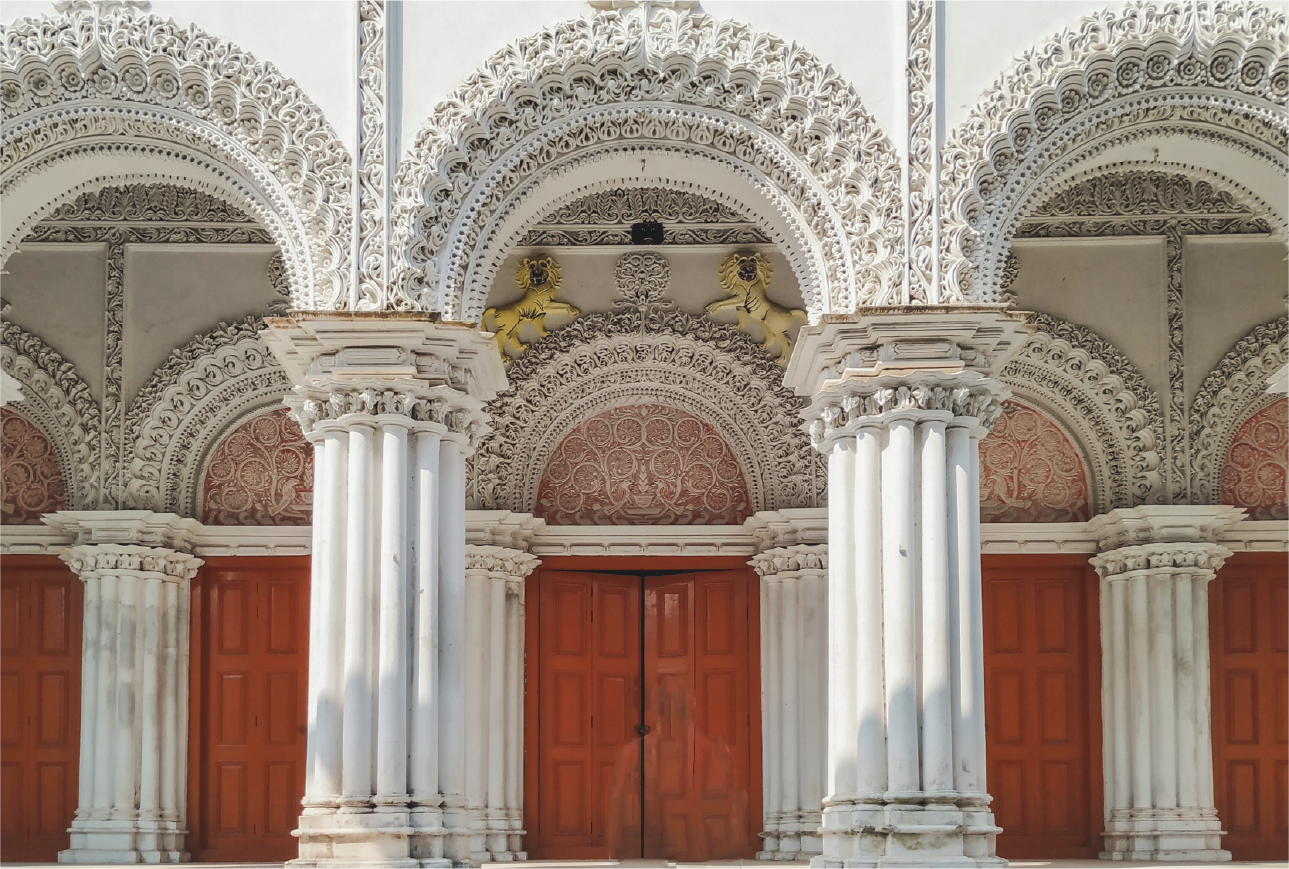
Despite its dilapidated state, the Bari holds a strong appeal for niche visitors. While many artifacts have found homes elsewhere, such as at Shashi Lodge, it is the crumbling grandeur, the silent courtyards, and the weathered walls that define its haunting beauty. For history enthusiasts, the site is a deeply atmospheric landmark where the past feels almost tangible.
Preserving the legacy of Muktagacha Zamindar Bari and transforming it into a prominent heritage site will require thoughtful conservation, engaging storytelling, and active community involvement.
Written by Fariha Hossain