

Ceramic Bangladesh Magazine, ArchiConnect honour two-time Aga Khan Award winner Architect Marina Tabassum
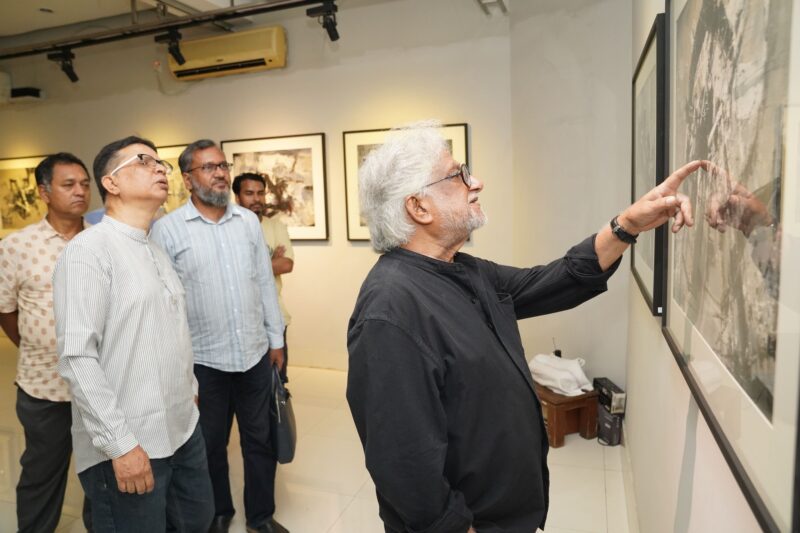
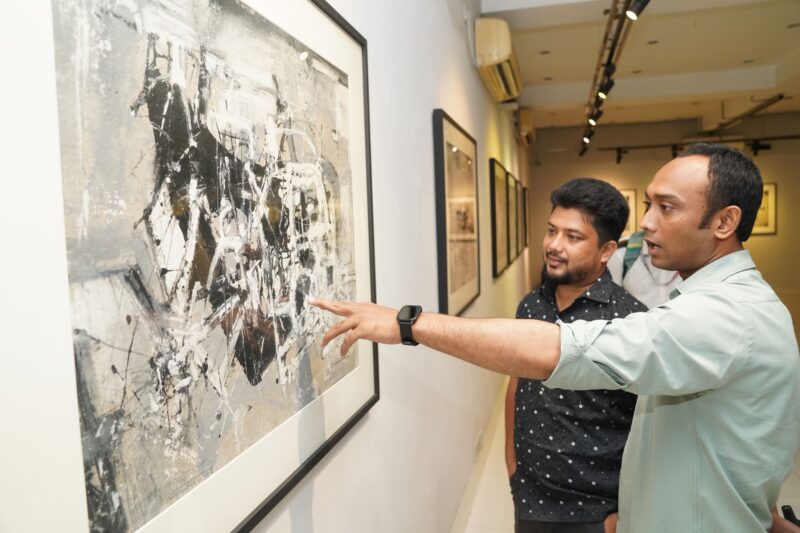
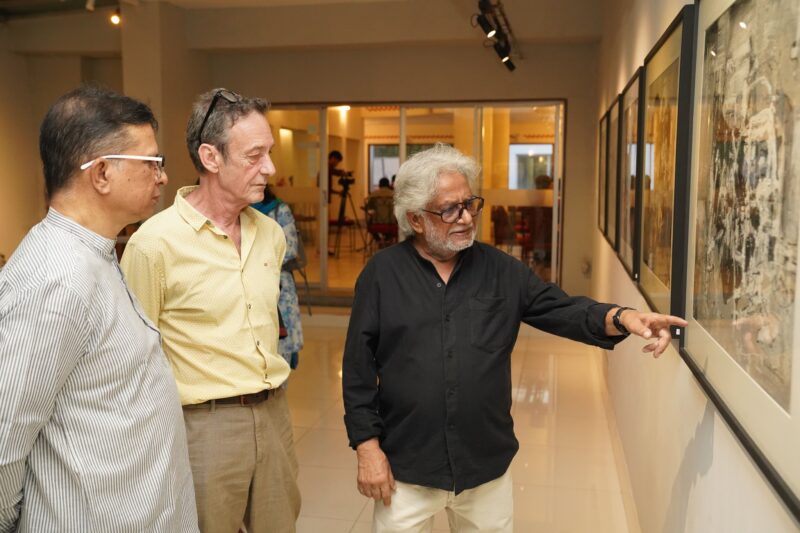
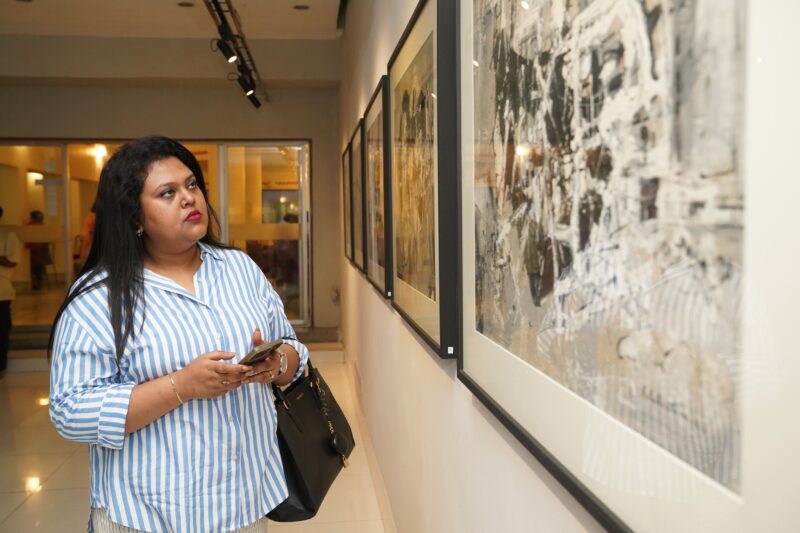
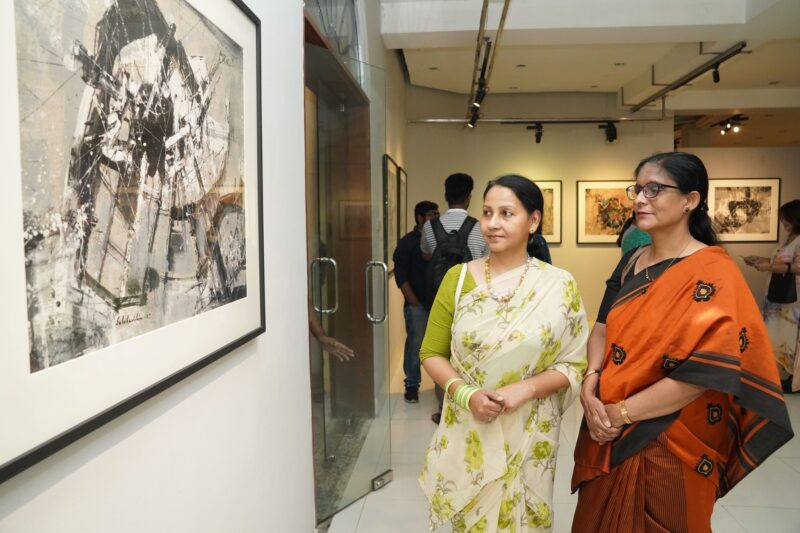
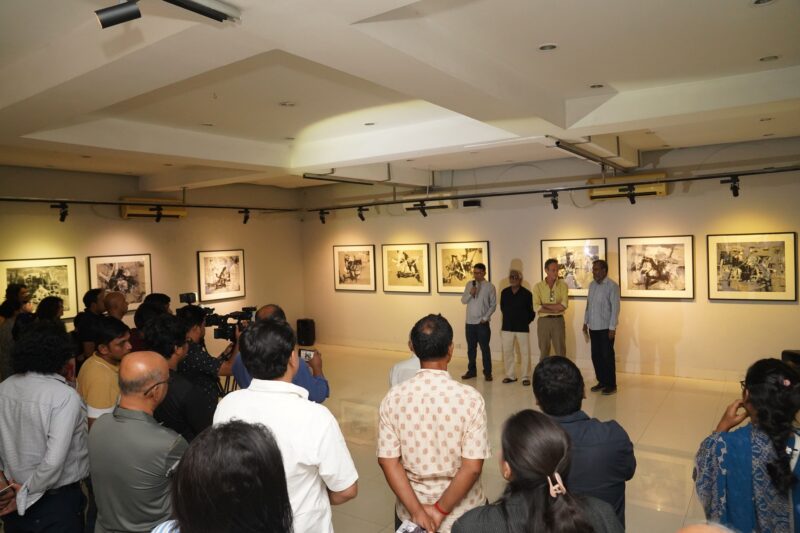
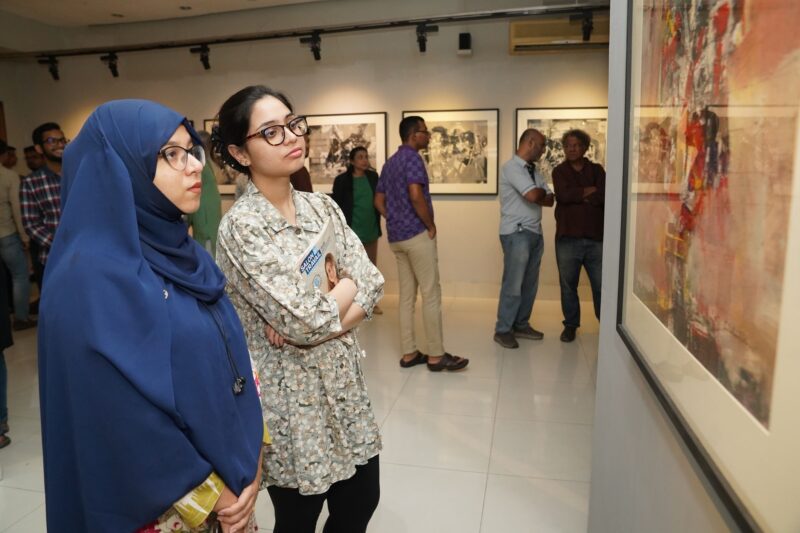
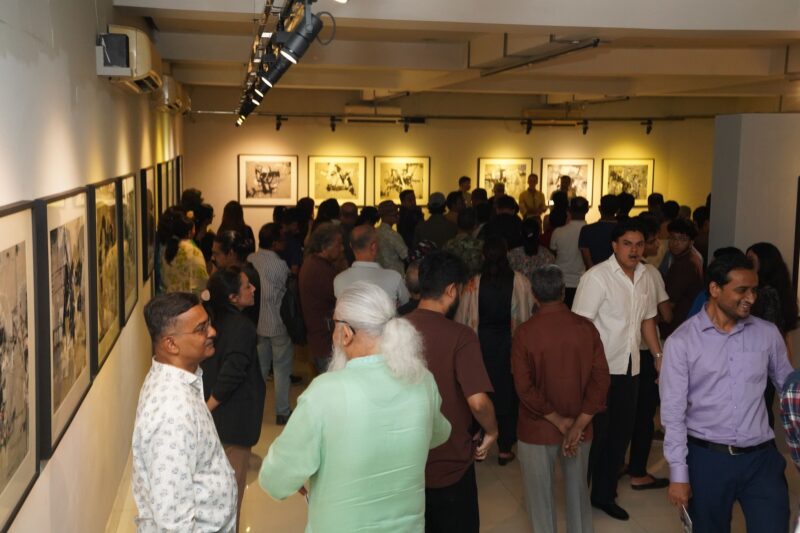
Ceramic Bangladesh Magazine, a publication of the Ceramic Manufacturers and Exporters Association (BCMEA), and ArchiConnect, a buildtech platform, honoured Architect Marina Tabassum on Saturday evening, November 8, 2025, Bangladesh’s only two-time winner of the Aga Khan Award for Architecture—one of the most prestigious awards in the world for architects. At the programme, held at the Renaissance Dhaka Gulshan Hotel, the globally acclaimed architect delivered a keynote speech titled “Between Erosion and Emergence”, highlighting different aspects of the projects that brought her international recognition. Before her keynote, Architect Jalal Ahmed, founder and CEO of ArchiConnect, explained why Marina Tabassum’s achievement should be celebrated and how significant it is. He said the Aga Khan Award for Architecture is considered the “Oscar for Architects,” and winning it twice is a phenomenal success for any architect in the world. Later, Marina presented details of her various projects worldwide. Bait Ur Rouf Mosque, completed in 2012 on the outskirts of Dhaka, was the project that earned her the prestigious Aga Khan Award for Architecture in 2016. “Built with locally sourced brick and devoid of traditional Islamic iconography, it offers a contemplative space where worshippers are bathed in natural light,” she said at the event. “The structure is not just a place of prayer—it’s a refuge for a dense, underserved neighbourhood.” She also shed light on one of her most celebrated recent projects, Khudi Bari, a modular, lightweight shelter designed for ultra-low-income populations. The structure, made of bamboo and corrugated metal, can be assembled quickly and relocated as needed. Earlier, Chief Adviser Professor Muhammad Yunus, in a public congratulatory message, echoed this sentiment: “We fondly recall your first Aga Khan Award in 2016 for the Bait Ur Rouf Mosque in Dhaka, a milestone that celebrated the timeless values of spirituality, community, and simplicity in architecture.” “That recognition marked the rise of a Bangladeshi voice of global significance, and your latest achievement further strengthens that legacy.” In 2025, Khudi Bari earned Tabassum her second Aga Khan Award for Architecture, making her the only Bangladeshi architect to win the honour twice. That same year, she was commissioned to design the Serpentine Pavilion in London—an international recognition of her ability to merge local wisdom with global relevance. Later, at the day, an engaging panel discussion was organised on “Marina Tabassum and the Aga Khan Award Legacy”. The session was moderated by Architect Mahmudul Anwar Riyaad, principal designer and director of DWM4 Architects. Distinguished panelists included Architect Professor Fuad Hassan Mallick, dean of the School of Architecture and Design (SoAD) at BRAC University; Architect Professor Zainab Faruqui Ali, chairperson of the Department of Architecture at BRAC University; and Architect Nahas Ahmed Khalil, principal designer at ARC Architectural Consultants. The event concluded with closing remarks by Moynul Islam, president of BCMEA. “We always look forward to creative minds like architects and the brilliance of Architect Marina Tabassum deserves to be celebrated.” Following the panel discussion, mementos were presented to the distinguished panelists and to Architect Moushumi Ahmed, the gracious host of the evening. The honorees—Architect Marina Tabassum, Architect Jalal Ahmed, and Moynul Islam, President of BCMEA—received exquisite woodprint artworks created by renowned artist Professor Anisuzzaman Anis of the Department of Printmaking, Faculty of Fine Art, University of Dhaka Written by CBM Desk
Industry Leaders Unite for a Greener Bangladesh
A Call for Sustainable Transformation On January 30, 2025, the Sheraton Hotel in Dhaka hosted “Shaping Bangladesh: Designing Tomorrow, Building Today”, a landmark event organised by Ceramic Bangladesh Magazine. It brought together leaders from construction, real estate, and ceramics to champion sustainability and innovation in response to environmental challenges. Thought Leadership for a Greener Future As part of the series “Innovating for a Sustainable Future II”, the multi-panel format featured experts from ceramics, cement, and real estate. Moderated by Dr. Amir Ahmed of Daffodil International University, the panels included Muhammad Badrul Hassan (BBS Cables), Salehin Musfique Sadaf (GPH Ispat), Architect Faysal Ahmed (Concord Real Estate), AKM Ziaul Islam (Magna Ceramic), Mohammad Khorshed Alam (Akij Bashir Group), Asadul Haque Sufyani (Metro Cement), and Babor Hossain (Khadim Ceramics). Key Recommendations for Sustainability Panelists urged greater investment in R&D to reduce reliance on imports and foster local innovation. They called for collaboration across sectors to promote recycled materials and eco-friendly components. Suggestions included using fly ash and slag in cement, adopting hybrid or electric furnaces, and implementing energy-efficient manufacturing. Smart Materials and Policy Reform Experts advocated for smart glass technologies—low-E, solar, and self-cleaning—to boost building efficiency. They also recommended policy reforms to protect local manufacturers from zero-tariff imports and emphasized the need for government-run clay mines to secure raw materials for ceramic production. Bangladesh’s Tile Industry Comes of Age AKM Ziaul Islam highlighted the tile industry’s evolution since 1984. “We started with 100 mm tiles in one color. Now, we export to the USA,” he said. Despite high production costs, innovation has improved working conditions and sustainability, making the industry globally competitive. Real Estate and Domestic Innovation Architect Faysal Ahmed reflected on the sector’s overreliance on imports between 2000 and 2015. He stressed the importance of collaboration among architects, engineers, and academics to develop sustainable materials locally and reduce dependency on foreign technologies. Material Optimization for Environmental Impact Salehin Musfique Sadaf emphasized that optimized material use can reduce emissions and speed up construction. “Using 15,000 kg of cement instead of 20,000 kg without compromising strength means real sustainability,” he explained. Rethinking Cement and Energy Asadul Haque Sufyani discussed the carbon footprint of cement production and promoted fly ash and slag as eco-friendly alternatives. He stressed the need for affordable, sustainable materials and energy-efficient technologies. Energy Crisis and the Future of Glass Mohammad Khorshed Alam raised concerns about gas shortages affecting glass furnaces. He urged investment in hybrid furnaces and advanced technologies and called on architects to incorporate more locally produced glass to avoid overcapacity and unsold stock. Ceramic Bricks: A Smarter, Greener Choice Babor Hossain showcased ceramic bricks’ advantages over handmade red bricks—lower water absorption, higher strength, and reduced structural load. “They were used in national landmarks and can cut construction costs by 13 percent,” he said, advocating for government-run clay mines to sustain innovation. A Unified Path Forward The event concluded with a call for synergy among policymakers, industry, and academia. With rising climate risks and infrastructure demands, embracing innovation is not just strategic—it’s essential. Photo: Courtesy
Ceramic Expo Bangladesh 2025: From Local Clay to Global Stage
Bangladesh’s ceramic industry has evolved from modest import substitution into a thriving manufacturing hub. More than 70 factories now produce tableware, tiles, sanitary ware, and ceramic bricks that meet global standards. The domestic market is worth Tk 8,000 crore annually, while exports to over 50 countries bring in nearly Tk 500 crore. In the past decade, production capacity and investment have surged 150%, fuelled by rising demand, sharper design, and steady technological upgrades. With cumulative investment topping Tk 18,000 crore and nearly 500,000 jobs created, ceramics have become a cornerstone of the nation’s industrial growth. Ceramic Expo Bangladesh 2025 Amid this momentum, Ceramic Expo Bangladesh 2025 showcased strength and ambition. Organised by the Bangladesh Ceramic Manufacturers and Exporters Association (BCMEA), the fourth edition ran from November 27–30 at the International Convention City Bashundhara, Dhaka. The international exhibition brought together manufacturers, exporters, machinery and raw material suppliers, technology providers, and industry stakeholders. It drew strong local and international participation, hosting 300 exhibitors from more than 25 countries, including Bangladesh, China, India, Italy, Spain, Turkey, UAE, USA, Japan, South Korea, and Vietnam. Registrations topped 28,000, with visitors spanning architects, engineers, dealers, buyers, researchers, students, and officials. How the Expo Unfolded The BCMEA announced the much‑anticipated 2025 edition of the Ceramic Expo at a press conference on November 23 at the Dhaka Reporters Unity. BCMEA President Moynul Islam and Fair Organising Committee Chairman Irfan Uddin outlined key features—500 international delegates, three seminars, a job fair, B2B and B2C meetings, live demonstrations, spot orders, raffle draws, and new product launches. The briefing was attended by Senior Vice Presidents Md Mamunur Rashid FCMA and Abdul Hakim (Sumon), Vice President Rasheed Mymunul Islam, and Director Mohd Ziaul Hoque Zico. Syed Ali Abdullah Jami, director (sales & marketing) of Sheltech Ceramics Ltd., the principal sponsor of this year’s expo, joined the press meet alongside top officials of the three platinum sponsors: Didarul Alam Khan, head of marketing at DBL Ceramics Ltd.; Md Ashraful Haque, general manager (sales) at Akij Ceramics Ltd.; and Shahajada Yasir Arafat Shuvo, manager (brand) of Meghna Ceramic Industries Ltd. On November 27, Commerce Adviser Sk Bashir Uddin inaugurated the fair as the chief guest at a ceremony presided over by the BCMEA president. Partners SL Category Partner Name 1 Hospitality Partner Radisson Blu Water Garden Dhaka Regency 2 Accommodation Partner Amari Dhaka Best Western Plus Runway Crowne Plaza Grace 21 Smart Hotel Holiday Inn Intercontinental Hotel Lake Castle Platinum Grand Platinum Residence Renaissance Dhaka Westin Dhaka Chuti Resort 3 Gift Partner Hotel Lake Castle Grace 21 Best Western Plus Maya Platinum Grand Platinum Residence Dhaka Regency Hotel & Resort Ltd. Holiday Inn Dhaka Chuti Resort 4 International Event Partner Unifair Exhibition Service Co., Ltd. S.A.L.A. srl (ACIMAC) Messe Muenchen India Pvt. Ltd. 5 Knowledge Partner Bangladesh University of Engineering and Technology (BUET) Ceramic ISC 6 Strategic Partner Foshan Uniceramics Expo 7 Food Partner Platinum Grand 8 Official Magazine Partner Ceramic Bangladesh Magazine Asian Ceramics 9 Support Partner Export Promotion Bureau ASEAN Ceramics (Vietnam) TECNA KERAMIKA Ceramics CHINA 10 Media Partner The Business Standard Channel i Banglanews24.com Ceramic Focus Magazine Ceramic India Samakal 11 Young Engagement Partner JCI Bangladesh 12 Technology Partner Betafore 13 Wardrobe Partner FIERO 14 Connectivity Partner Amber IT Ltd. Days Full of Activities Every day of this year’s Ceramic Expo Bangladesh offered something new and innovative for visitors and industry professionals. Fresh B2B and B2C meetings unfolded across the venue, while seminars and discussions addressed pressing issues critical to resolving long‑standing challenges. After the inauguration of the expo, Commerce Adviser Sk Bashir Uddin, BCMEA President and Italian Ambassador to Bangladesh Antonio Alessandro along with top industry leaders toured the pavilions of the Ceramic Expo Bangladesh 2025. ACIMAC’s Project Manager Antonella Tantillo and Commercial Director of SACMI Imola S.C. Fabio Ferrari also visited the stalls. SEMINAR ONE The first seminar on “Energy Efficiency Strategies for Industry in Bangladesh: Challenges and Opportunities”, Engr. Toufiq Rahman, keynote speaker and assistant director of the Sustainable and Renewable Energy Development Authority (SREDA), reported national progress toward a 20% reduction in energy intensity by 2030, with 15% already achieved. Md Mamunur Rashid FCMA, senior vice president of BCMEA and additional managing director of X Ceramics Ltd; SM Monirul Islam, deputy CEO and CFO of IDCOL; and Md Imam Uddin Sheikh, general manager (production & marketing) of Petrobangla, shared their thoughts. Additional insights came from Tanvir Ebne Bashar, unit head of IDCOL, on flexible financing; Matheendra De Zoysa, COO of Omera LPG, on emissions concerns; and Babor Hossain, consultant of Khadim Ceramics. SEMINAR TWO The second seminar, held on the third day of the expo on “Global Market Strategies: Challenges and Opportunities for Ceramic Products”, featured keynote speaker Dr. Aditi Shams, associate professor of International Business at the University of Dhaka, who delivered a data‑driven analysis. Dr. Mohammad Monirul Islam, associate professor at the University of Dhaka; Dr. Amir Ahmed, associate professor and head of Real Estate at Daffodil International University; M. Mamunur Rashid, CEO of Artisan Ceramics Ltd; and Baby Rani Karmakar, director general of the Export Promotion Bureau, also spoke at the event. SEMINAR THREE On the third day of the expo, the most important seminar, “Skills Development for Sustainable Growth in the Ceramics Industry”, chaired by BCMEA President Moynul Islam, also vice chairman of Monno Ceramic Industries Ltd, brought together policymakers, development partners, and industry experts. Hari Pada Das, TVET institutional strengthening expert; Mina Masud Uzzaman, member for coordination and assessment and joint secretary of the National Skills Development Authority (NSDA); ANM Tanjel Ahsan, programme officer at the ILO; Dr. Nazneen Kawshar Chowdhury, executive chairman