


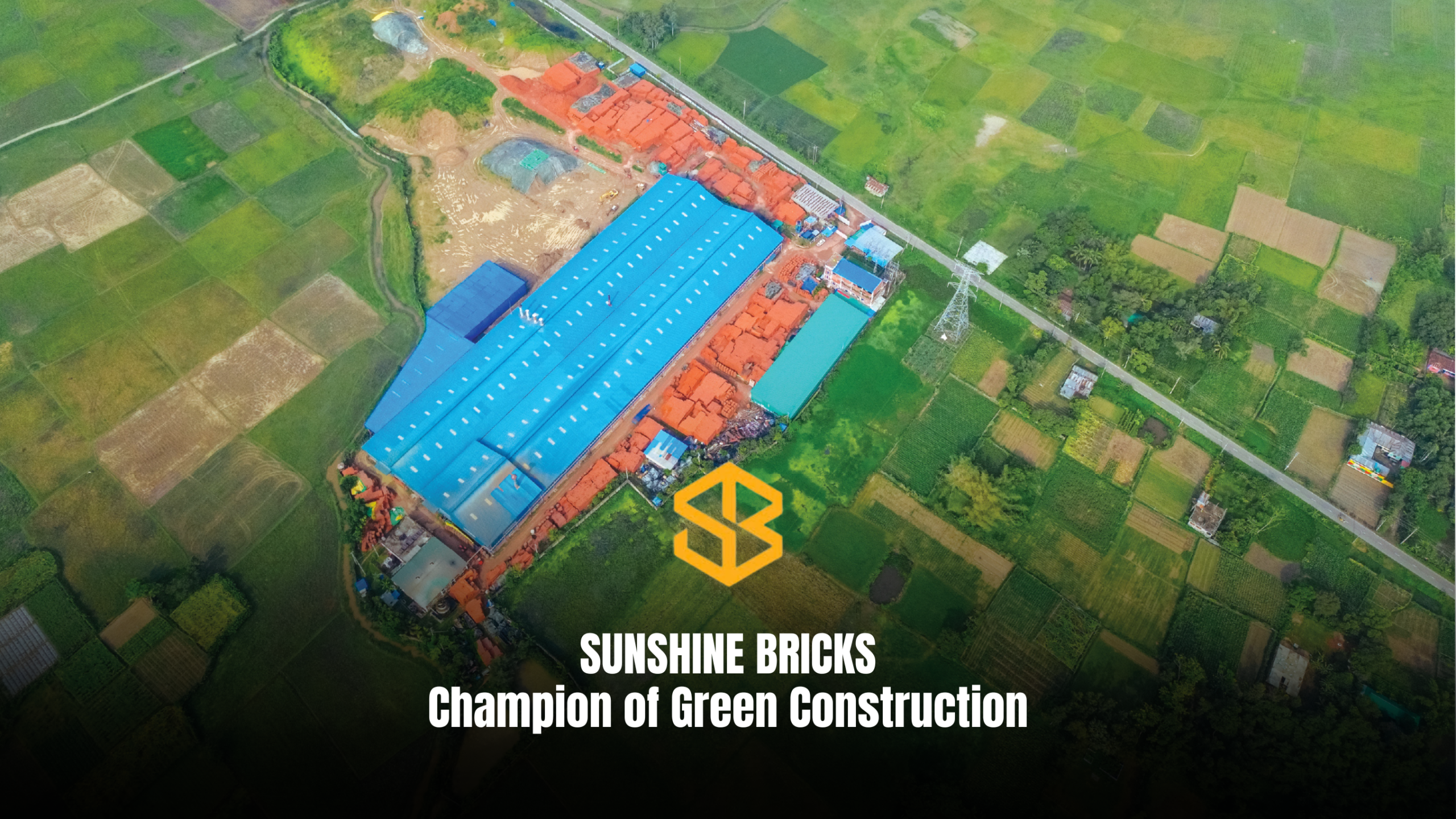
SUNSHINE BRICKS: Champion of Green Construction
“It’s not about 10-hole bricks. It’s about a formula for a lifetime investment.” That is how Sakif Ariff Tabani, vice chairman of Mirpur Ceramics, Khadim Ceramics and Sunshine Bricks, describes the philosophy behind one of Bangladesh’s most ambitious ventures in the building materials sector. In a country where traditional red bricks have long dominated construction, Sunshine Bricks has emerged as a standout brand, reshaping expectations of durability, design, and sustainability. From Habiganj to the National Stage
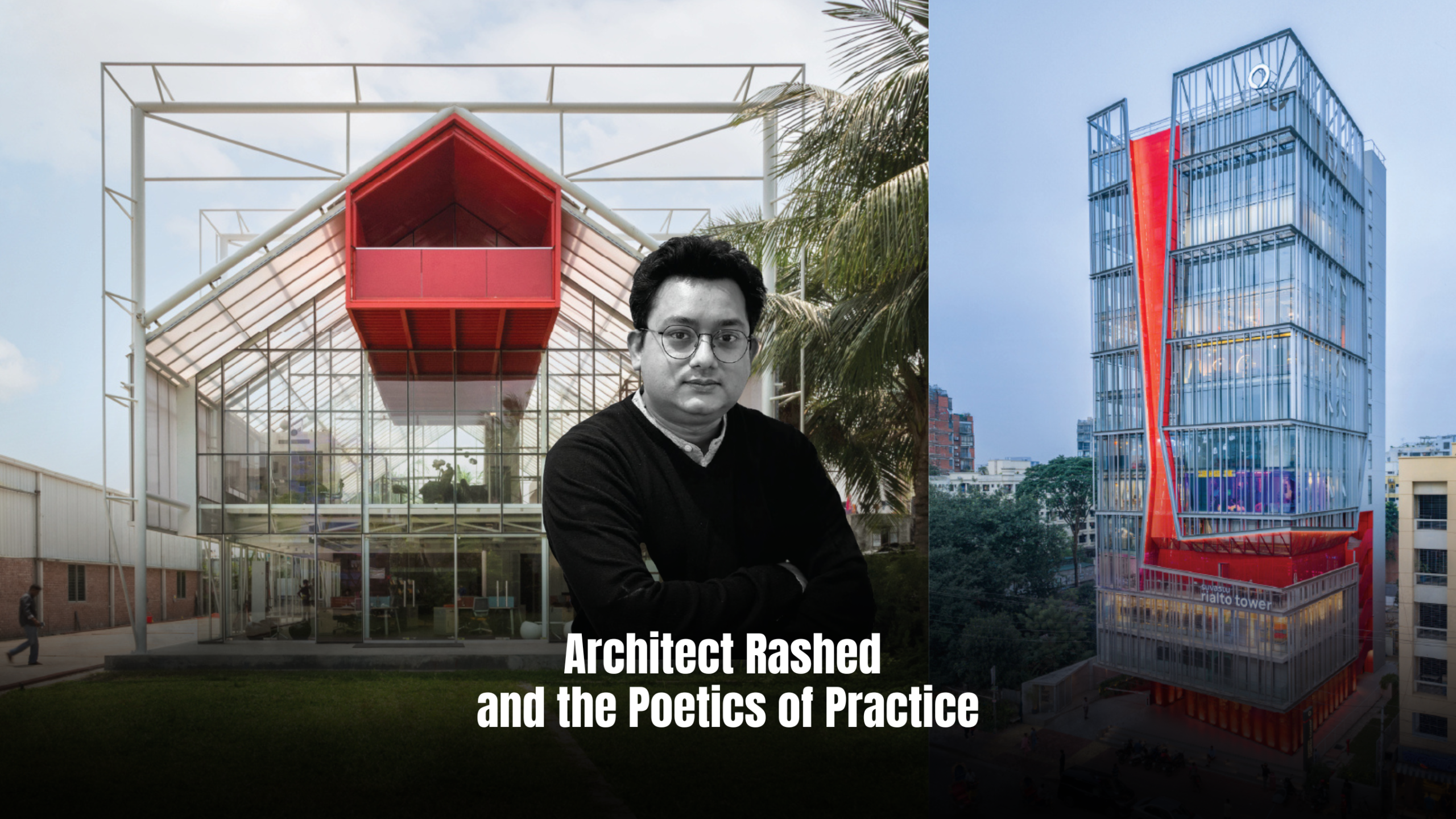
Architect Rashed and the Poetics of Practice
In the crowded clusters of Dhaka’s architectural offices—where every firm spoke in bold, predetermined tones—finding an original voice was never easy. For Architect Rashed Hassan Chowdhury, the journey began not with buildings, but with books and design experiments of all kinds. Encouraged by his elder brother to pursue architecture, he entered BUET carrying curiosity and a restless desire to make and learn. Even as a student, Rashed was never confined to one discipline. He moved fluidly between
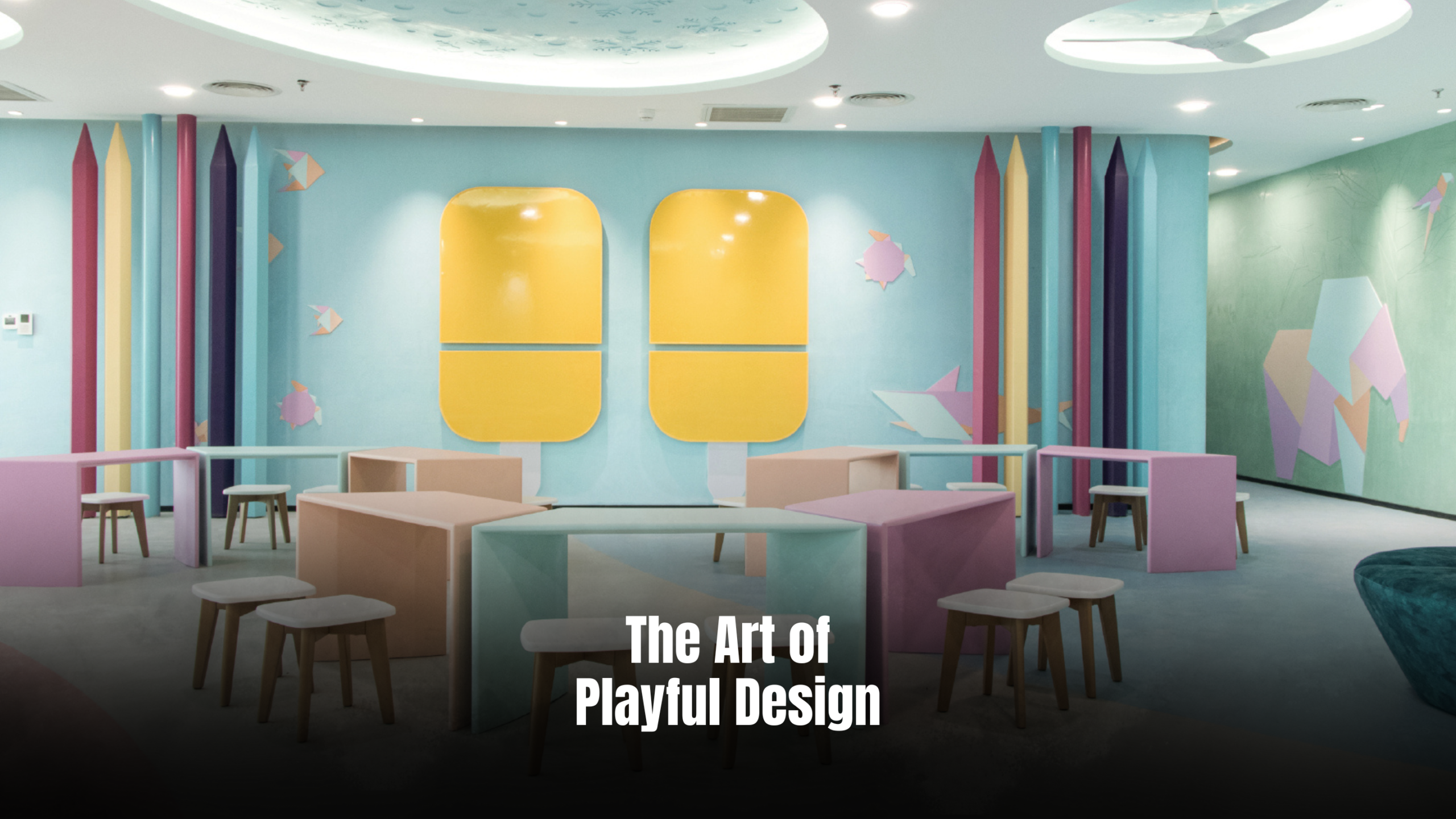
The Art of Playful Design A Look Inside BRAC University’s Child-Centric Sanctuary
A new chapter in early childhood care begins with the opening of the second BRAC University Daycare Centre, located in the vibrant Badda Campus of BRAC University, Dhaka. This thoughtfully designed facility serves as a sanctuary for children up to eight years old, offering a nurturing environment that prioritizes safety and development. Designed by Dwm4 Intrends, with an enchanting lighting scheme from Miro Lighting, the daycare centre is a dynamic and imaginative world where play, learning, and exploration
Architect Rashed and the Poetics of Practice
In the crowded clusters of Dhaka’s architectural offices—where every firm spoke in bold, predetermined tones—finding an original voice was never easy. For Architect Rashed Hassan Chowdhury, the journey began not with buildings, but with books and design experiments of all kinds. Encouraged by his elder brother to pursue architecture, he entered BUET carrying curiosity and a restless desire to make and learn. Even as a student, Rashed was never confined to one discipline. He moved fluidly between book design, graphic work, product design—anything that allowed imagination to unfold in tangible form. But the multiplicity of voices, the weight of tradition and pressure of trends, left him with a fundamental question: How does one discover one’s own architecture? Rashed’s answer, at least in the early years, was to do everything. His first role was as a researcher at BUET’s Green Architecture Cell, followed by a post as lecturer at the University of Asia Pacific. After office hours, he joined architects like Nahas Khalil, Marina Tabassum, and Mahmudul Anwar Riyaad on project-based work—each collaboration sharpening instincts and broadening vocabulary. And at night, in the chilekotha/attic of his brother’s office—with only a computer and printer—he began sketching the contours of his own practice. Sleep was rare, but happiness abundant. Eventually came the realization: energy without direction cannot sustain itself. “I was doing too much, but none of it was really going anywhere,” Rashed recalls. That reckoning pushed him to leave the safety of multiple jobs and commit to a singular vision. Out of that decision was born Dehsar Works—a multidisciplinary practice whose very name is simply the last-to-first spelling of “Rashed,” a gesture as honest and direct as the work it produces. Learning by Doing Dehsar Works is not merely an architecture office—it is a laboratory. For Rashed, design is not about formula but about process, about finding concept and clarity. “The design process excites me most. It still does, every single time,” he says. This philosophy is reflected in the kinds of projects he chooses and the way they evolve: adaptive reuse, experimentation with materials, finding beauty in imperfection, and above all, engaging with the everyday lives of users. The Blues Communications Office, a transformation of a warehouse into a bold new workspace, tested both his patience and creativity. The design called for a complex metal structure—one that contractors hesitated to take on. Instead of abandoning the idea, Rashed and his team decided to build it themselves. They formed a sister concern, aptly named Workshop, to execute the construction. Through trial, error, and persistence, they not only completed the project but also gained a wealth of knowledge about materials and making. Ajo Idea Space is perhaps the purest example of his ethos. Conceived as a café and gathering space, it was never meant to be a conventional air-conditioned box. Instead, it embraced openness, natural ventilation, and a certain looseness that invited people to linger. The pavilion-like structure, with its vaulted steel forms and porous screens, blurred the boundary between inside and outside. It embodied sustainability not as a checklist but as a lived experience: a place where people ate, conversed, and created in ways that felt organic. Another notable work is the Beximco Learning and Development Center, a lightweight, semi-circular hall framed with steel and clad in polycarbonate sheets. Here, the emphasis was on creating an affordable, sustainable, and flexible learning environment that could anticipate future uses. By designing with recyclability and climate responsiveness in mind, Rashed sought to redefine what corporate infrastructure could mean in Bangladesh. Similarly, the Artistry Marble & Granite Experience Center transformed an old warehouse into a gallery-like environment for natural stones. Rather than demolish and rebuild, the design preserved and reinterpreted the existing shell, reusing nearly half the materials. The result was a spatial narrative where light and texture interacted with surfaces, allowing visitors to experience stone not as a static product but as a dynamic material. Another iconic project of Rashed is Suvastu Rialto Tower, a contemporary commercial landmark in Dhanmondi. Developed by Suvastu Properties Ltd., the project embodies functionality, visibility, and refined contemporary design. Suvastu Rialto Tower is a 3-basement, ground plus 13-storey commercial building, developed on approximately 10 kathas of land. The vertical organization of the building efficiently accommodates parking, retail, and office functions, addressing both spatial optimization and urban density challenges. The architectural language of Suvastu Rialto Tower is distinctly modern, characterized by clean lines, transparency, and material contrast. The façade features a glass curtain wall system, combined with aluminium elements and contemporary detailing. The glass facades not only enhance the building’s aesthetic appeal but also maximizes daylight penetration, contributing to a pleasant and productive interior environment. A Philosophy of Effort Rashed is not shy about offering advice to the younger generation of architects. His words are sharp but encouraging: “Stop complaining and start enhancing your skills.” For him, the profession is not merely about constructing buildings but about learning by doing—whether in furniture, graphic design, or urban experiments. Bangladesh, in his eyes, is a land of vast opportunity, waiting for those willing to work with patience and integrity. “There is so much to do, but very few skilled people willing to put in the effort,” he says. The formal degree, while important, is not enough. Real growth, he believes, happens through curiosity, through the courage to try, to fail, and to learn. Toward a Different Future The story of Dehsar Works is, in many ways, the story of one architect’s relentless pursuit of authenticity. From a chilekotha room with a single computer to award-winning projects recognized internationally, the journey has been marked not just by structures built but by lessons learned. As Rashed continues to shape spaces that are adaptive, playful, and deeply contextual, he reminds us that architecture is less about monuments and more about moments: the
The Art of Playful Design A Look Inside BRAC University’s Child-Centric Sanctuary
A new chapter in early childhood care begins with the opening of the second BRAC University Daycare Centre, located in the vibrant Badda Campus of BRAC University, Dhaka. This thoughtfully designed facility serves as a sanctuary for children up to eight years old, offering a nurturing environment that prioritizes safety and development. Designed by Dwm4 Intrends, with an enchanting lighting scheme from Miro Lighting, the daycare centre is a dynamic and imaginative world where play, learning, and exploration intertwine, creating a joyful space for the children. A Palette of Softness and Imagination The daycare’s core design philosophy is built on a foundation of softness and playfulness. The space is defined by a serene Scandinavian colour palette of pastel shades—soft pinks, blues, and greens—that create a calming and inviting atmosphere. This selection of soft hues was a conscious decision to create a tranquil environment where children feel secure and at ease. Central to the design, this concept is also considered in all edges and volumes and is evident in the custom-made modular furniture, which features rounded edges to prevent bruises and generously cushioned surfaces for comfort. Thoughtful Zoning for a Comfortable Experience The daycare’s layout is thoughtfully divided into two primary zones: public and private. The public zone serves as a welcoming entry point for parents, where mothers can drop off their kids, change their clothes, or feed them. This area features an ergonomically designed washroom with sinks and toilets at child-friendly heights. The private zone is the heart of the daycare. It features a common activity area for all kids—a dynamic space for interaction, play, and learning. Adjacent to this is a sound-insulated nap room, a peaceful sanctuary exclusively for toddlers. This segregated room ensures a quiet and restful environment for sleep, with secure storage above the beds for personal belongings. This approach prioritises the comfort of children while ensuring that parents experience a sense of security and peace of mind. Materials in Design That Engage and Inspire The interiors reflect a calm design approach that is both impressive and functional. The vinyl floors are a durable choice, providing a soft, child-friendly surface that is easy to maintain. The walls are adorned with CNC-cut plywood cutouts that form geometric origami-style animals, such as giraffes and kangaroos, adding a unique texture and depth to the space. A notable feature of interior design is the vertical rock-climbing wall made from panels with child-friendly grips. This equipment helps the young children develop strength through adventurous play and is designed for those aged 4.5 years and older. This interactive design maximises floor space for other activities while promoting physical activity and overall development. When integrating an indoor climbing wall into a playroom, the child’s developmental stages and sensory needs were well-considered to ensure a stimulating and safe environment. Architect Daniel Haque shares, “Children at this age have a lot of curiosity and love to learn from playful shapes, so several playful interactive elements were incorporated in the design.” Overhead, snowflakes on the ceiling and house-shaped shelves on the walls introduce a sense of whimsy and also serve as visual cues to guide children. For hands-on learning, a pair of yellow, popsicle-shaped whiteboards is placed strategically, offering a fun way for children to express their creativity and learn. The pencil-shaped steel columns and child-sized furniture are used throughout the space, including a specially designed sofa that draws inspiration from the iconic “La Mamma” piece near the entrance, scaled down to suit the proportions of young children. The “La Mamma” furniture concept, also known as “Big Mama” or “Donna,” refers to Gaetano Pesce’s Up armchair. This iconic piece, introduced in 1969, is characterised by its distinctive shape and was initially made of foam. The armchair’s design has become a symbol of design and feminism, and a modern design classic. Prioritising Safety in Every Detail Safety was the number one priority throughout the design process. Architect Daniel Haque emphasises, “Special consideration was taken to soften all the edges; there’s no sharp corner here. Every edge has been wrapped with fabric. All switches and sockets are also placed above children’s height so that they can’t access them.” The furniture, floor, and wall materials were all selected with durability and safety in mind, proving that a playful and beautiful design can be achieved without compromising on security. This vibrant daycare was effectively designed by the lead architectural team of Mamnoon M. Chowdhury, Mahmudul Anwar Riyaad, Daniel Haque, and Md. Arifur Rahman. They worked in close association with architects Hasib Rehan and Md. Raduan Ahmed, and the construction was executed by Ar. Arifuzzaman Khan, Engr. Md. Omor Faruque, and Engr. Md. Tareq Rana, to create a practical environment specifically designed to meet the needs of young children. Written By Samira Ahsan
SUNSHINE BRICKS: Champion of Green Construction
“It’s not about 10-hole bricks. It’s about a formula for a lifetime investment.” That is how Sakif Ariff Tabani, vice chairman of Mirpur Ceramics, Khadim Ceramics and Sunshine Bricks, describes the philosophy behind one of Bangladesh’s most ambitious ventures in the building materials sector. In a country where traditional red bricks have long dominated construction, Sunshine Bricks has emerged as a standout brand, reshaping expectations of durability, design, and sustainability. From Habiganj to the National Stage Sunshine Bricks was founded to revolutionise Bangladesh’s brick industry. Based in Habiganj, it serves growing demand for quality building materials nationwide. As part of the Mirpur Ceramics group, alongside Khadim Ceramics—both renowned for manufacturing excellence—the company was created to fill a market gap for ceramic bricks and blocks that combine durability with aesthetic appeal. “With a strong foundation in ceramics, Sunshine Bricks was launched to evolve into a leading brand in Bangladesh’s ceramic bricks and structural clay product industry,” said the vice chairman. Traditional red bricks offered strength but little else. Sunshine Bricks changed that by investing in advanced technology and automation, producing materials that enhance structures while meeting the highest standards of quality. “Over time, Sunshine has become a key player in domestic and international markets, offering sustainable, versatile products for diverse construction needs,” said Sakif Ariff Tabani. The “Wonder Blocks” Sunshine Bricks is not a traditional auto-bricks company using Chinese technology. It is not about producing 10-hole bricks. Instead, it is about creating products that deliver comfortable living conditions and cost savings in energy consumption. Certified for eco-friendly products, the company has positioned itself as a pioneer in sustainable building materials. Among its most celebrated innovations are ceramic clay blocks, branded as “Wonder Blocks”. “These blocks are ideal for high-rise buildings, offering eco-friendly and energy-saving solutions,” said Sakif Ariff Tabani. “Sunshine Bricks is also the first company in Bangladesh to produce facing bricks, coloured and textured bricks, and ceramic blocks—setting it apart from traditional manufacturers.” “The coloured and textured bricks offer architects and developers a wide variety of designs and colours, enabling visually striking facades for residential and commercial buildings,” he said. Produced using cutting-edge technology, these bricks ensure durability, weather resistance, and colour consistency. The ceramic blocks are designed for specific purposes such as soundproofing and lightweight building solutions. Their lightweight nature reduces the overall weight of a structure without compromising strength, while their sound-insulating properties make them ideal for noise-sensitive areas. “By introducing these products, Sunshine Bricks is addressing modern needs such as energy efficiency, noise control, and aesthetic value,” said the veteran entrepreneur. Technology at the Core Sustainability is embedded in Sunshine Bricks’ production process. The company employs state-of-the-art technology to minimise environmental impact while ensuring high-quality output. Its fully automated production line ensures precision and consistency, reducing waste and optimising resources. A key innovation is Tunnel Kiln Technology, which is far more energy-efficient than traditional kiln methods. Tunnel kilns use controlled heat distribution, allowing for consistent firing and better energy use. This reduces the carbon footprint while ensuring higher-quality bricks with fewer defects. Recycling processes are also integral. Water used in manufacturing is filtered and reused, minimising waste. Raw materials are sourced responsibly, and the company incorporates alternative, eco-friendly materials into production. Sustainability is not an afterthought but a guiding principle. The “Green Champion” Recognition The decision to invest in Tunnel Kiln Technology was driven by efficiency and environmental responsibility. Traditional vertical kilns are costly and environmentally damaging. Tunnel kilns, by contrast, allow for consistent production with less energy consumption and precise temperature control. The result is higher-quality bricks with fewer defects. The measurable gains have been significant. Energy consumption has reduced by about 30 percent, while emissions have decreased substantially. The use of alternative fuels in firing further lowers the carbon footprint. These achievements earned Sunshine Bricks the “Green Champion” title, validating its efforts. For Tabani, however, the recognition is more than an accolade—it is a reminder that sustainability in manufacturing is necessary for long-term success. Serving Diverse Markets Sunshine Bricks serves customers across domestic and international markets. Its primary clients include government entities and public sector projects, supplying materials for major initiatives such as the metro rail, railway infrastructure, and education sector developments. These large-scale projects demand durability, consistency, and high quality—hallmarks of Sunshine Bricks. The private sector is equally vital. Developers, architects, and homeowners rely on the company for solutions that are both functional and aesthetically pleasing. From luxury residences to commercial and mixed-use projects, Sunshine Bricks delivers products that meet diverse needs. Internationally, Sunshine Bricks has expanded into the Middle East and Singapore, where demand for innovative, high-quality materials is rising. By tailoring offerings to local codes and design preferences, Sunshine Bricks has ensured adaptability—key to its success across markets. A Legacy Since 1958 Sunshine Bricks is part of a proud legacy dating back to 1958, when Mirpur Ceramics first began producing bricks and building materials in Bangladesh. Over the decades, Mirpur Ceramics earned a strong reputation for quality, reliability, and innovation. That experience and commitment are deeply embedded in Sunshine Bricks today. Drawing on this rich history, Sunshine Bricks represents the modern evolution of Bangladesh’s brick and ceramics industry. Decades of expertise have been combined with advanced automation, eco-friendly technology, and modern design concepts to meet the growing demands of sustainable urban development. Leading the Transformation As Bangladesh urbanises, demand for sustainable, high-quality building materials is rising. Sunshine Bricks sees itself leading this transformation—driving the industry toward greener, smarter, and more design-oriented solutions. The company also seeks to expand internationally, showcasing Bangladeshi innovation through exports to the Middle East and Southeast Asia. With over six decades of experience, Sunshine Bricks is not just building structures—it is helping build a more sustainable and progressive Bangladesh. Redefining Building
Every year on the 26th of March, Bangladesh proudly celebrates its Independence Day—a symbol of courage, sacrifice, and national pride. This historic day marks the beginning of the nation’s struggle for freedom in 1971, when the call for independence united millions of people. The journey to independence was marked by immense sacrifice. Millions of brave martyrs laid down their lives to secure the freedom we cherish today. Their courage, resilience, and unwavering spirit became the foundation of an independent Bangladesh. The Liberation War of 1971 was not just a battle for land, but a fight for identity, culture, and dignity. On this day, the nation pays deep respect to those heroes. The National Martyrs’ Memorial stands as a powerful symbol of remembrance, where people from all walks of life gather to honor their sacrifice. The national flag flies high across the country, representing the pride, freedom, and blood that shaped the nation. Independence Day is not only a time to remember the past but also a moment to reflect on our responsibilities. It inspires us to uphold unity, justice, and progress, and to contribute to building a stronger and more prosperous Bangladesh. As we celebrate this great day, we renew our commitment to the values of freedom and honor the sacrifices of our heroes. Salute to the martyrs of our independence. Their legacy lives on forever.