


SUNSHINE BRICKS: Champion of Green Construction
“It’s not about 10-hole bricks. It’s about a formula for a lifetime investment.” That is how Sakif Ariff Tabani, vice chairman of Mirpur Ceramics, Khadim Ceramics and Sunshine Bricks, describes the philosophy behind one of Bangladesh’s most ambitious ventures in the building materials sector. In a country where traditional red bricks have long dominated construction, Sunshine Bricks has emerged as a standout brand, reshaping expectations of durability, design, and sustainability. From Habiganj to the National Stage
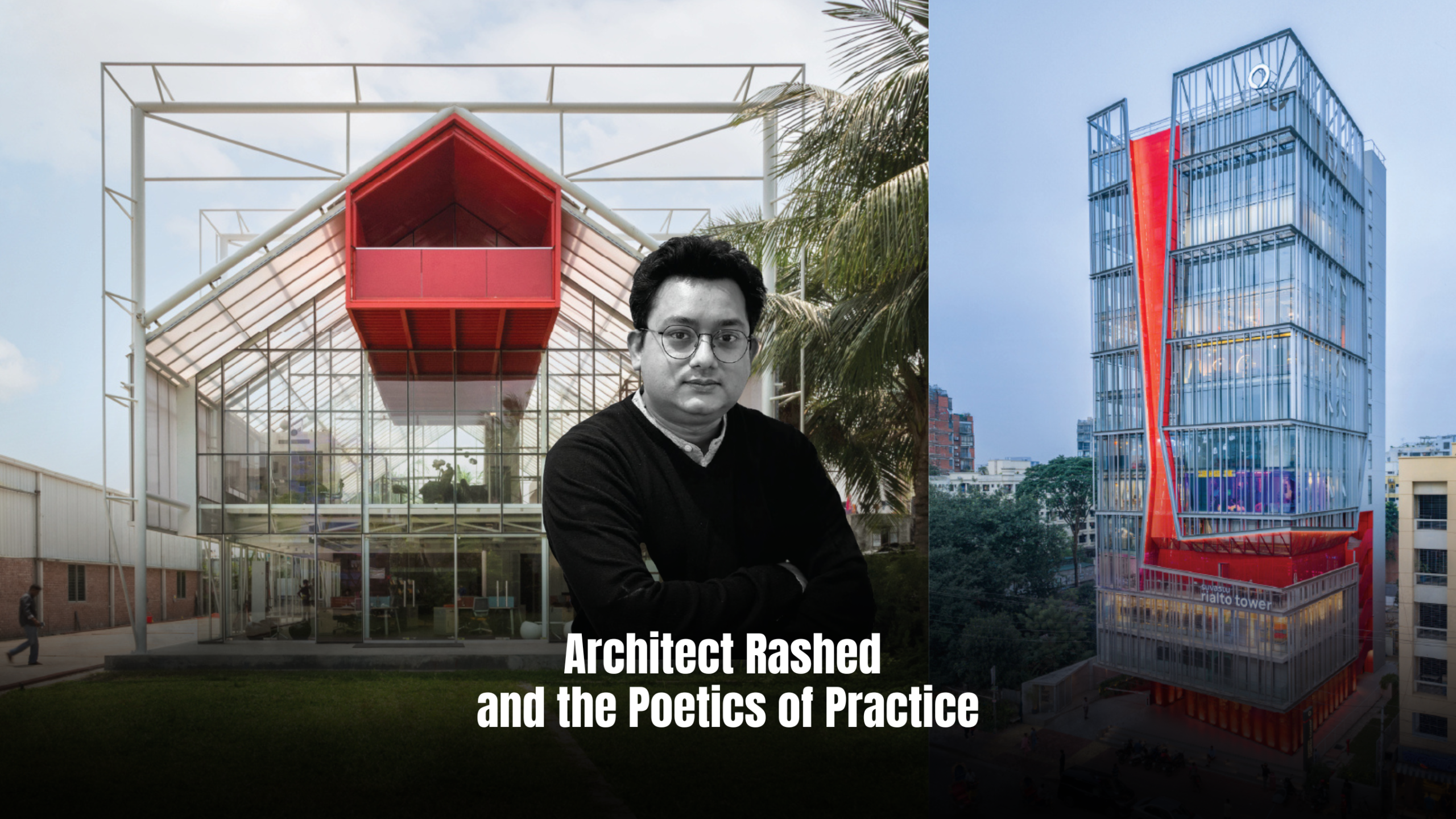
Architect Rashed and the Poetics of Practice
In the crowded clusters of Dhaka’s architectural offices—where every firm spoke in bold, predetermined tones—finding an original voice was never easy. For Architect Rashed Hassan Chowdhury, the journey began not with buildings, but with books and design experiments of all kinds. Encouraged by his elder brother to pursue architecture, he entered BUET carrying curiosity and a restless desire to make and learn. Even as a student, Rashed was never confined to one discipline. He moved fluidly between
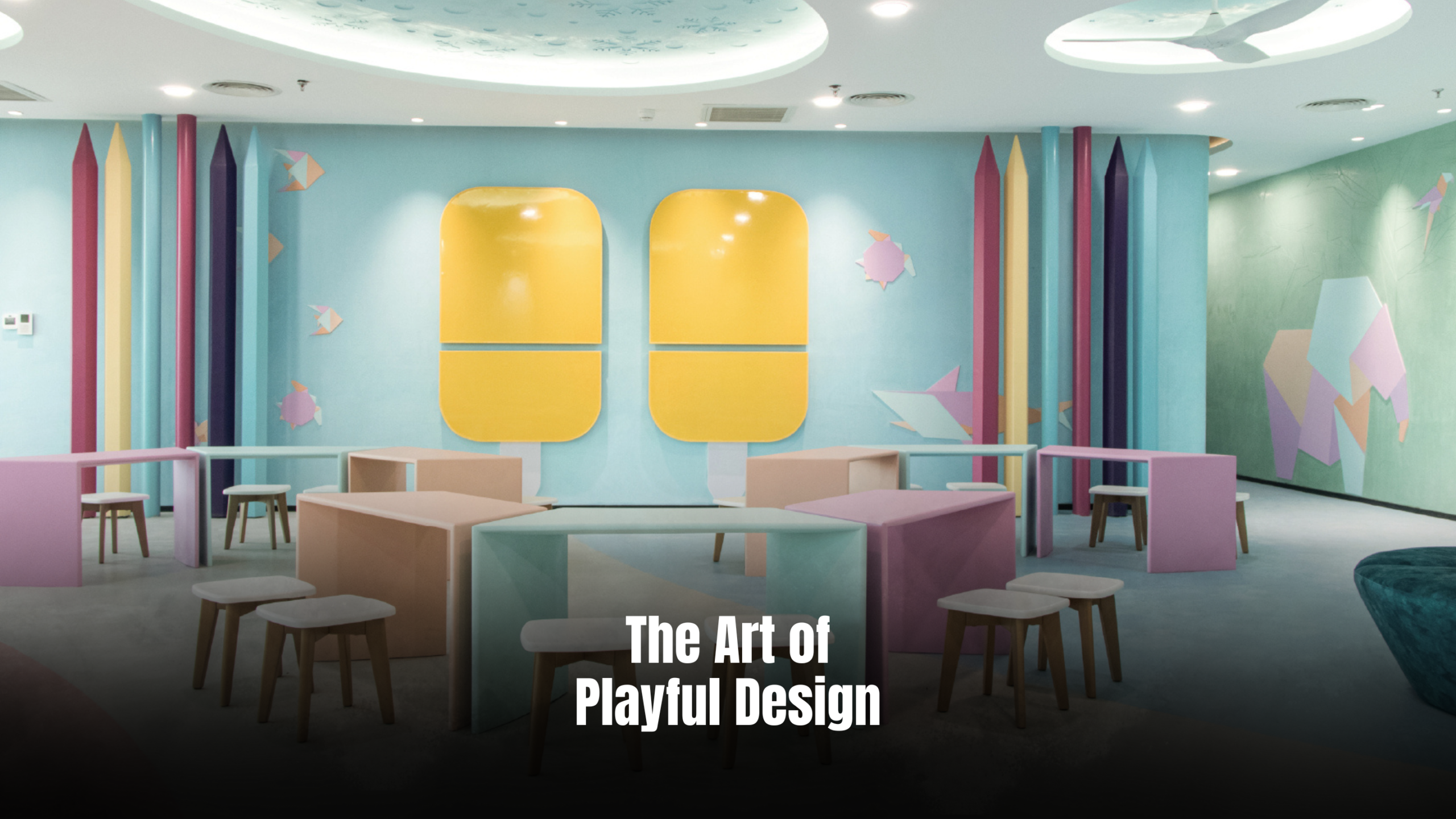
The Art of Playful Design A Look Inside BRAC University’s Child-Centric Sanctuary
A new chapter in early childhood care begins with the opening of the second BRAC University Daycare Centre, located in the vibrant Badda Campus of BRAC University, Dhaka. This thoughtfully designed facility serves as a sanctuary for children up to eight years old, offering a nurturing environment that prioritizes safety and development. Designed by Dwm4 Intrends, with an enchanting lighting scheme from Miro Lighting, the daycare centre is a dynamic and imaginative world where play, learning, and exploration
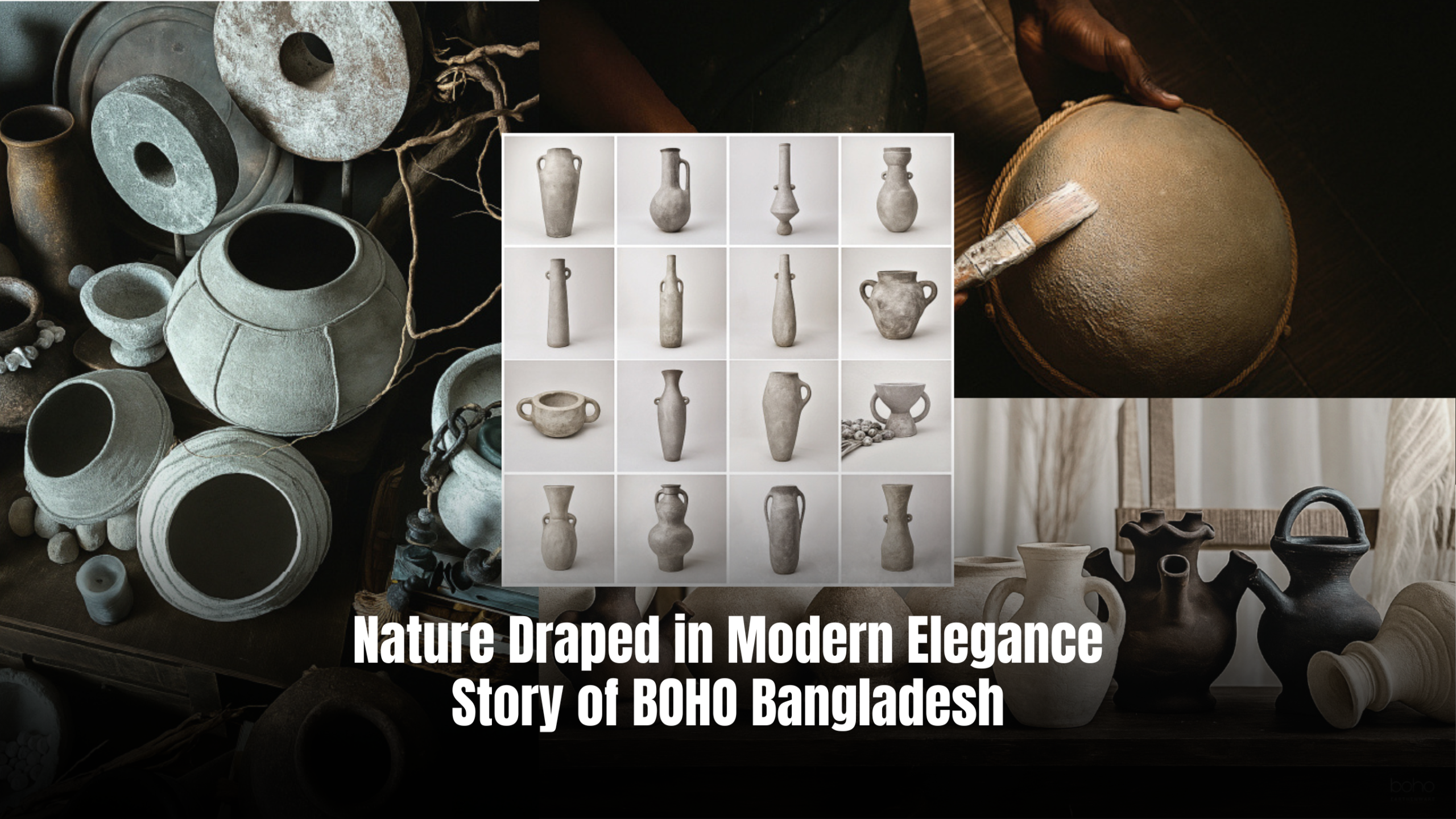
Nature Draped in Modern Elegance Story of BOHO Bangladesh
As we turn back towards nature and value the earth more than ever, are we equally ready to embrace green décor to adorn our spaces? Bangladesh has a rich tradition of ceramics, from glossy dinnerware to heritage terracotta. Yet when it comes to home décor, the exploration has often leaned on the familiar. Boho Bangladesh has taken on such a challenge with grace, weaving modern sensibilities into age-old elements of nature. Born by the sea in Cox’s Bazar, Boho Bangladesh grew from a vision to prove that sustainable living can be beautiful, versatile, and globally relevant. Their offerings span ceramics and pottery, organic and recycled textiles, home décor, and select limited-edition creations. To uncover the story of Boho Bangladesh—a brand redefining bespoke, eco-friendly home décor like never before, we sat down with its Chief Creative Officer and one of the co-founders, Poroma Shahrin, to trace their journey so far. Making of a green boutique lifestyle store: Partners in life and now in purpose, Poroma Shahrin and her better half ASM Asaduzzaman returned home, leaving their glorious career abroad, driven by a shared calling to nurture their roots. To them, BOHO was conceived from a desire to empower the raw, untapped resources of Bangladesh. They recognised that their nation’s rich, fertile land was capable of cultivating materials the world is now valuing more than ever. “The idea behind the brand was to reimagine heritage in its newest form—implementing innovation in ways that inspire young minds to engage with raw, natural materials that are often undervalued. While there are already a few pioneering brands in this field, I find their approach often lacks innovation. Synthetic products may look attractive at first, but they’re not sustainable. Our goal is to prove that natural, eco-friendly design can be just as appealing—when crafted with creativity and vision.” quotes Poroma Shahrin. With a display centre at The Muslin, Le Meridien Dhaka, Boho Bangladesh has been operating online since its inception. When asked about their online journey so far, Poroma said— “Our online presence has played a pivotal role in understanding people’s preferences, connecting with consumers, and navigating the kind of design direction they are drawn to. Although we believe Boho’s true spirit thrives in physical spaces. That’s why we’re launching a Dhaka studio store—envisioned not just as retail, but as a creative community for artisans and innovators. We’ve only executed about 30% of our vision, with much more planned.” Bespoke Green Décor: Is the Market Ready? “My husband and I often wondered if the Bangladeshi market was ready to embrace Boho Bangladesh’s vision. Most people in our country get influenced by a lot of factors in making their choices of lifestyle. The truth is, it’s still an emerging industry, but it’s evolving. People are gradually becoming more appreciative of sustainable décor, though greater education and awareness are still needed. Encouragingly, we’ve received strong validation from creative professionals—especially architects, artists, and interior designers—who truly recognize the value of our work,” said Poroma. Balancing Purpose and Profit: The team notes the irony that natural raw materials are currently the costliest, making it difficult to balance purpose with profit. They plan to address this with the launch of their studio store, which is designed to boost business sustainability and unlock new growth avenues. Furthermore, Boho Bangladesh is continuously refining production techniques to ensure product durability and reduce maintenance needs. This commitment not only minimises the risk of erosion but also guarantees customers high-quality, long-lasting, sustainable pieces. The entire production process is sustainable, ensuring safety by using nature-extracted colours and renewable resources, employing eco-friendly heating with zero carbon emissions, and recycling all production waste. The brand’s X-factor is an environment that encourages creativity and collaboration regardless of background. They strategically attract talent nationwide who bring hereditary expertise to their craft. A store by the beach Boho Bangladesh is planning an exciting expansion with a studio store in Cox’s Bazar. The location directly inspires their aesthetic, drawing from the Mediterranean bohemian lifestyle. Designed as a community platform rather than just a shop, the store will offer tourists a unique experience, featuring panoramic sea views and room for performances—a space where, as the founders note, “creativity flows best in nature”. Written By Fariha Hossain
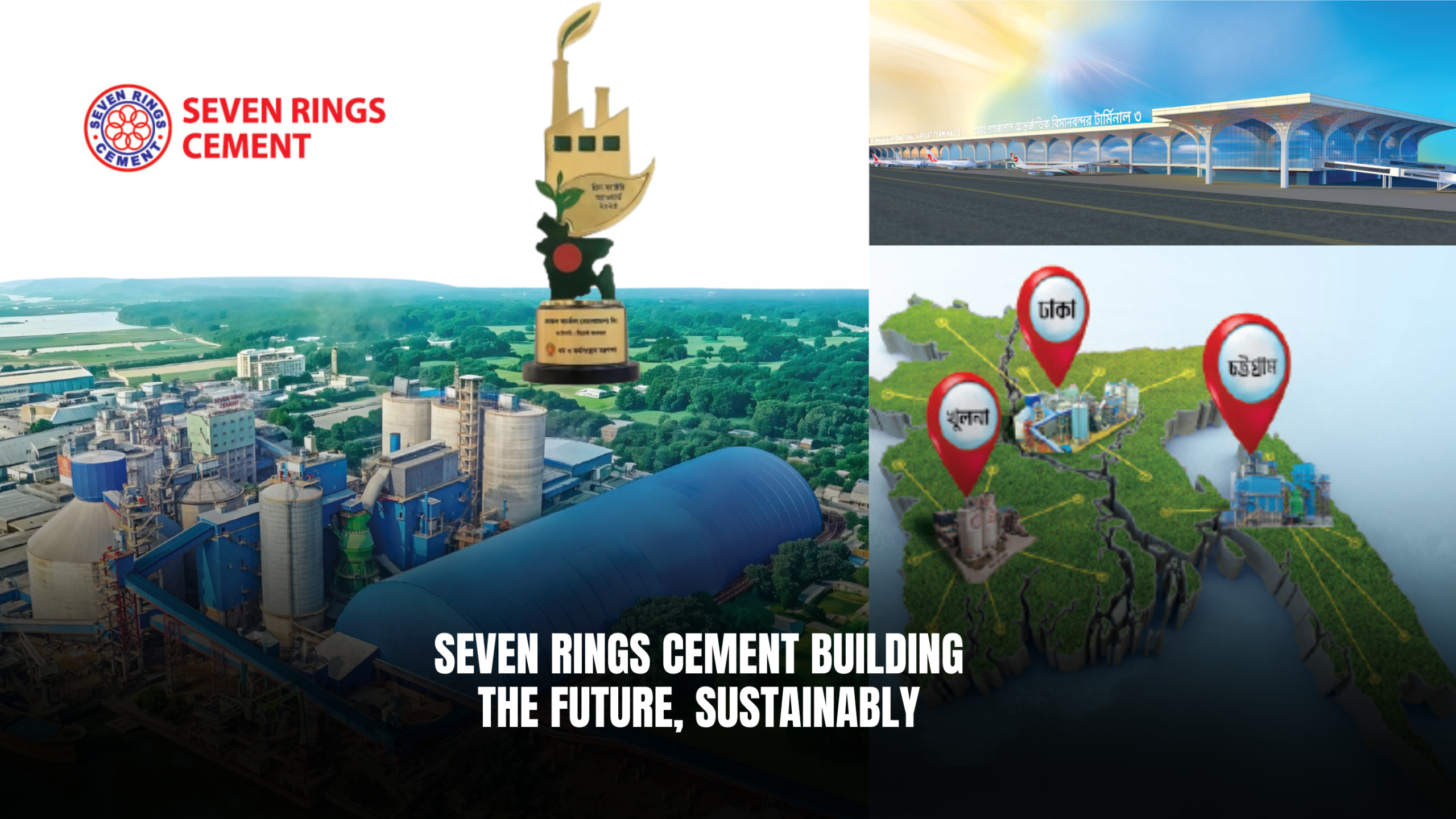
SEVEN RINGS CEMENT BUILDING THE FUTURE, SUSTAINABLY
SEVEN RINGS CEMENT’s Commitment to a Stronger, Greener Bangladesh. In a nation where infrastructure is the backbone of economic growth and social progress, the quality and resilience of building materials are non-negotiable. As Bangladesh strides confidently towards its development goals, the construction sector stands at the forefront of this transformation. At Seven Rings Cement, we are not just suppliers of a fundamental material; we are partners in nation-building, committed to fuelling this progress with advanced technology, an unwavering commitment to quality, and a deep sense of environmental responsibility. As part of the Hong Kong-based multinational Shun Shing Group—founded in 1988 and a leading raw material supplier in Asia—Seven Rings Cement began its journey in Bangladesh in 1991. Fueled by market confidence and backed by the unparalleled raw material expertise of our Group’s trading arm, Cemcoa, we have grown into a premier manufacturer. Today, we operate with an annual installed production capacity of 8.4 million metric tons, delivering consistent, superior-quality cement to the nation’s development for over three decades. ENGINEERING STRENGTH WITH TECHNOLOGICAL EXCELLENCE At the heart of Seven Rings Cement’s operations lies a relentless pursuit of technological advancement. We understand that the integrity of every bridge, high-rise, and highway begins with the microscopic precision of its core material. Our state-of-the-art manufacturing plant is equipped with cutting-edge automation and process control systems, ensuring unparalleled consistency. This includes a unique technological setup in Bangladesh, featuring both Vertical Roller Mills (VRM) and Ball Mills, integrated with roller press technology for specialized slag grinding. Our commitment to quality is validated by rigorous independent testing. Seven Rings Cement is consistently evaluated and certified by premier national institutions including BUET, CUET, RUET, MIST, IUT etc. as well as by international testing bodies. This multi-layered verification ensures that every kilogram, whether a high-early-strength variant for rapid projects or a specialized grade for mega-infrastructure, delivers guaranteed, uncompromised performance—meeting and exceeding both local and global standards. A ROBUST DELIVERY SYSTEM: THE PROMISE OF RELIABILITY A superior product is only as good as its availability. Recognizing the critical timelines of modern construction, Seven Rings Cement has invested significantly in building one of the most robust and reliable supply chain and delivery systems in the industry. As the only cement manufacturer in Bangladesh with integrated production facilities in three strategic locations—Dhaka, Chittagong, and Khulna—we have established an unparalleled logistical advantage. Our extensive network, comprising a dedicated fleet and strategically placed distribution hubs radiating from these plants, ensures that our cement reaches every corner of the country promptly and in pristine condition. This tri-factory footprint minimizes transport time and cost, guaranteeing a steady, responsive supply to projects of all scales. GREEN MANUFACTURING: A PLEDGE TO THE PLANET True leadership in today’s industrial landscape means prioritizing the planet alongside productivity. Seven Rings Cement is profoundly committed to sustainable manufacturing, with a vision that extends beyond our borders—including our Green Factory in Dubai, which sets a global benchmark for eco-friendly production. Domestically, our initiatives in energy efficiency, waste heat recovery, and responsible resource management have firmly established our sector leadership. This comprehensive dedication has been nationally recognized with the prestigious Green Factory Award 2025, an accolade that celebrates our holistic environmental stewardship. We have implemented advanced systems to significantly reduce carbon emissions, conserve water, and maximize the use of alternative and recycled materials across our operations. By embracing greener practices locally and globally, we are actively reducing the environmental footprint of the construction industry, ensuring that the growth we help create today safeguards the well-being of future generations. THE CORNERSTONE OF QUALITY: PROVEN ON BANGLADESH’S MEGA PROJECTS Quality is a promise validated on the grandest stages. The rise in per capita cement consumption must be matched by a demonstrable commitment to excellence, and Seven Rings Cement’s quality is proven where it matters most: in Bangladesh’s landmark mega projects. Our cement has been a trusted component in the construction of critical infrastructure that defines modern Bangladesh. From the iconic Padma Bridge, a symbol of national pride and engineering marvel, to the Hatirjheel Integrated Development Project that transformed urban mobility in Dhaka, Seven Rings Cement has provided foundational strength. Our products have been integral to key national infrastructures like the Payra Port, and critical roadways such as the Sylhet-Mymensingh Highway. We are a trusted cement supplier to major government entities, including BMTF and MES, supporting defense and public construction projects nationwide. Our cement has also contributed to key aviation expansions at Shahjalal International Airport, Cox’s Bazar Airport, and Sylhet Osman Goni Airport, and vital urban transport links including the Metro Rail, Kuril Flyover, and Mayor Hanif Flyover. Most significantly, we are proud to be associated with the Rooppur Nuclear Power Plant, Patuakhali 330 MW Power Plant where uncompromising material quality is essential for national energy security. A SHARED VISION FOR NATIONAL PROSPERITY Much like the visionary approaches seen in allied building materials industries, Seven Rings Cement believes in the transformative power of core materials. We see our role as integral to developing a self-reliant industrial ecosystem. Our journey is aligned with the nation’s aspirations. As per capita cement consumption grows and mega projects reshape our horizon, Seven Rings Cement remains a dedicated partner. We continue to innovate, strengthen our delivery promises, and deepen our green initiatives, Seven Rings Cement remains a dedicated partner in constructing a stronger, more resilient, and greener Bangladesh—one solid, responsible foundation at a time.
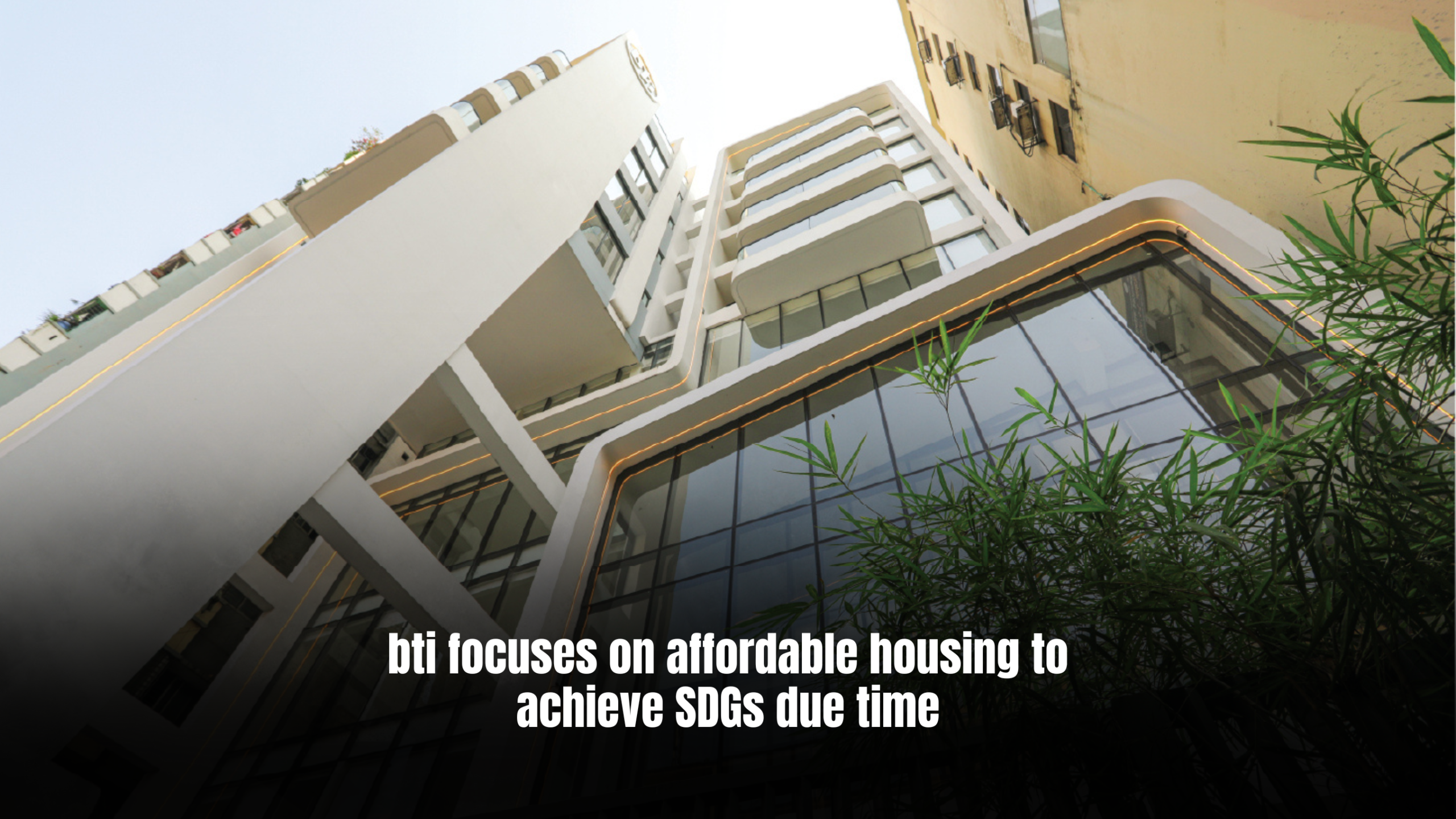
bti focuses on affordable housing to achieve SDGs due time
The Building Technology & Ideas Ltd (bti), a real estate developing company in Bangladesh, started its journey in 1984. Over the years, the company has become a pioneer in the construction of high-rise and luxury buildings in the country. The company has already constructed around 450 buildings so far, and is working on 72 projects at the moment, and additional 100 projects are in pipelines. It has around 8,000 clients. “Thanks to maintaining customers’ commitment, accountability, delivering product timely, and ensuring quality products, the bti has made its today’s place in the country’s real estate sector,” Faizur Rahman Khan, managing director of the bti, shared his views with the Ceramic Bangladesh Magazine in an exclusive interview. He said the company’s motto is customer satisfaction. However, the bti started its journey with three projects in 1984. The company had six projects in 1990. How did bti expand its business? In 1992, it started building costlier luxury apartments in Gulshan at first, and in 1993 in Baridhara. It was a milestone for the real estate sector. Basically, the housing industry continued to expand after 2000. But in the 2007-08 year, the industry began to suffer owing to political unrest, Faizur Rahman informed. He stated that innovation is what sets the company apart from others. “We always try to bring innovation in every project. Customers are overwhelmed by our diversity. That is why they feel comfortable with the bti. Now it is a leader in aesthetic architecture.” In the 1990s, real estate companies faced a difficulty to buy land for housing as individual owners did not want to give up their lands easily. Besides, there were also complications regarding the registration of lands and flats. The bti took the initiative to build houses by sharing apartments with the landowners and approached the government for legislation. Later, only land registration was possible at the time. As a result, if you bought a flat, you would not be the owner of the land. “We started linking the flat ownership with the land ownership,” he said. He added that the Real Estate and Housing Association of Bangladesh (REHAB) has 500- 600 registered members. Of this, literally, there are 5-6 companies who are very active in the sector, and 10-12 companies who did one-two projects. The rest of the companies are ‘name only company’. “We cordially maintain commitment to customer, and hand over projects timely which are very crucial for the business. Even, we try to hand over projects before several months ago from agreement time for last few years. We don’t compromise in design and construction so we follow all codes, and rules of RAJUK and other organizations. We think so that clients are not faced any troubles in future,” the managing director said. Basically, bti serves three category of apartments – luxury apartment, classic, and affordable. The luxury apartments are generally built in Gulshan, Banana, Baridhara, and Dhanmondi areas. Classic apartments high demand to customers. The highest number of this apartments is in Bashundhara region where 40 mid-level projects are undergoing, and others are at Lalmatia, Mogbazar, and Segunbagicha areas. “Finally, affordable apartments—recently we started this as IMF and World Bank encourage it to ensure SDGs,” Rahman said. Generally, its apartment size is 500-600 squre feet. Its price is less than Tk 50 lakh. Customers can buy the apartment taking 70% of loan. So, bank loan should be fixed at reasonable interest rate for a long time. Ensuring safe and affordable housing for all Faizur Rahman highlighted that now the bti is focusing on affordable housing to achieve Sustainable Development Goal (SDGs) right time. In this regard, they discuss with a Japanese company to ensure Tk 200 crore investment in the industry. The affordable housing is addressed within the United Nation (UN)’s SDG- 11, which aims to make cities and human settlements inclusive, safe, resilient, and sustainable. Specifically, SDG target 11.1 by 2030 calls to ‘ensure access for all to ensure adequate, safe and affordable housing and basic services, and upgrade slums’. “To achieve the goal, all government’s officials should be cordial. There is needed a bribe, corruption, and hassles free business environment in the country,” he also commented. Real estate industry facing multiple challenges Faizur Rahman highlighted that the industry is facing multiple challenges including Detailed Area Plan (DAP). The DAP should be practical. There is a big gap between academia and industry. To make it successful, there is needed consultation with the realtors. The Floor Area Ratio (FAR) should not reduce such level which will create a problem to give space for the people as it is a density population country. Investment in projects has become slow as the government halted many mega projects. Besides, there is political instability right now. So, the demand for apartments also decline. Potential of ceramic products in housing industry Faizur Rahman said there is huge potential of ceramic products particularly tiles in real estate industry. The demand for the items rapidly increased in both local and international markets. The products contribute to bring attractive, and save time in construction of buildings. Written By Rafikul Islam
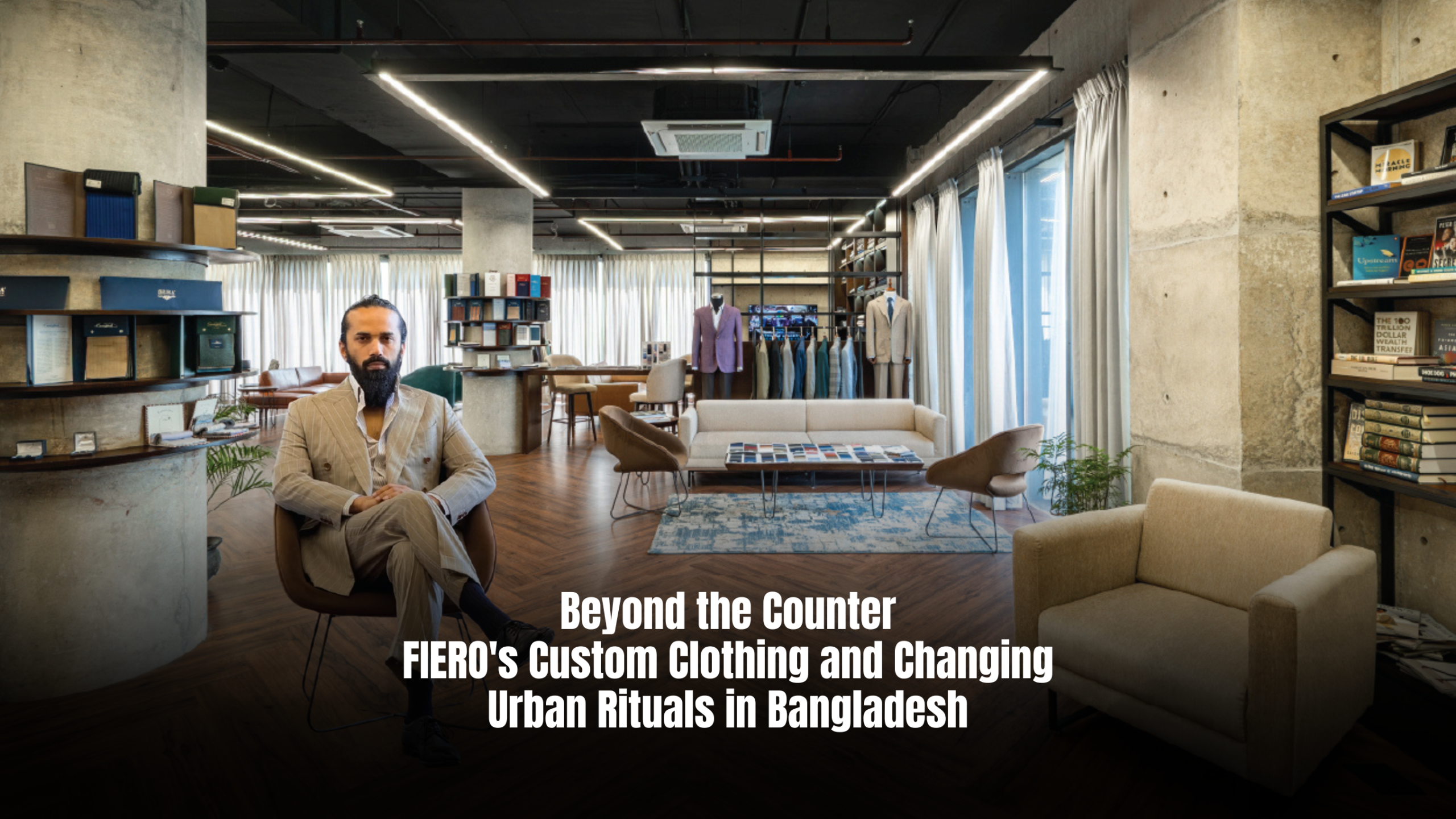
FIERO’s Custom Clothing and Changing Urban Rituals in Bangladesh
What began as a modest idea in mid-2017—to provide home-service tailoring for people constrained by time—has, within eight and a half years, evolved into FIERO, a leading bespoke and made-to-measure clothing practice in Bangladesh. Rooted in Dhaka yet informed by global traditions of craftsmanship, FIERO reflects a quiet shift in how custom clothing is conceived, experienced, and delivered in the local context. To understand this shift, it is necessary to look back at the tailoring culture that shaped earlier generations. For decades, the ritual was familiar: men accompanying their fathers or uncles to fabric stores overflowing with rolls of cloth in every imaginable colour and quality—good, bad, and everything in between. One would select a fabric, have it cut, leave measurements behind, and depart. The process was largely transactional, often hurried, and rarely comfortable. Instead of functioning like a conventional store, the tailoring journey is reimagined as something closer to being hosted in a living room. Guests are encouraged to slow down, sit comfortably with a cup of tea, and engage in unhurried conversation about what they wish to make. Founder and Managing Partner Syed Easir Alam (Yasir) explains that this sense of hospitality is intentional. “We welcome our guests with tea when they enter. Then we sit together and discuss fabric options. Our store is not a display centre of fabrics,” he says. With globalisation and changing lifestyles, bespoke clothing gradually became repositioned as a more exclusive, almost privileged service. Yet demand persisted across social strata—from lower-middle to upper segments—particularly among professionals, corporate executives, and business leaders for whom clothing remains closely tied to identity and confidence. FIERO emerged at this intersection of inherited practice and contemporary expectation. While a few brands in Bangladesh now offer bespoke services, FIERO’s approach centres less on retail and more on process. Rather than racks and shelves, fabrics are curated through carefully organised swatch books. Sourced from different parts of the world, these materials offer a range of quality and variety rarely available locally. Today, the collection includes more than 10,000 fabric options. Displaying such a volume physically would be impractical, but through swatches, clients can compare textures, weights, and finishes—many of them high-end, super-fine fabrics not commonly found in Bangladesh. This working method directly influenced the spatial decisions behind FIERO’s flagship space on Gulshan Avenue. The previous location, less than half the size, was inadequate for hosting multiple guests comfortably. The new space was conceived not merely as a store, but as a place where time could be spent without pressure. Guests may book appointments or walk in, settle into the space, and look out over the city. The intention is clear: no rushing, no crowding—only a calm environment that feels closer to home than to retail. Once fabrics are selected, measurements are taken by an in-house tailor to maintain consistency and quality. Design decisions follow, guided by a comprehensive catalogue that brings together options across categories—from trousers and jackets to full suits. Rather than prescribing styles, the process encourages clients to participate actively, choosing details that align with their needs and lifestyles. The interior design reinforces this approach. “We needed a place that felt like home—spacious and breathable,” says Alam. The layout prioritises openness, uninterrupted sightlines, and abundant daylight. Visual connections between inside and outside are maintained, allowing the city to remain a constant backdrop. A small book corner acknowledges FIERO’s largely educated and corporate clientele, for whom reading and reflection are familiar parts of daily life. In an era when people are increasingly particular—even about sleepwear—custom clothing demands attention to detail and emotional comfort. FIERO recognises that good decisions are made in good moods, and that environment plays a crucial role in the making process. Designed by Kaleek Consultants, the interior balances functionality with warmth: a continuous open space, multiple lounge-like seating areas, fitting rooms, tailoring zones, and work areas, all unified by light, views, and calm. FIERO’s story is not only about clothing. It is about rethinking bespoke tailoring in Bangladesh as a process shaped by time, comfort, and thoughtful design as much as by craftsmanship—offering a grounded example of what “Made in Bangladesh” can signify today. Written By Sadia Tarannum
SUNSHINE BRICKS: Champion of Green Construction
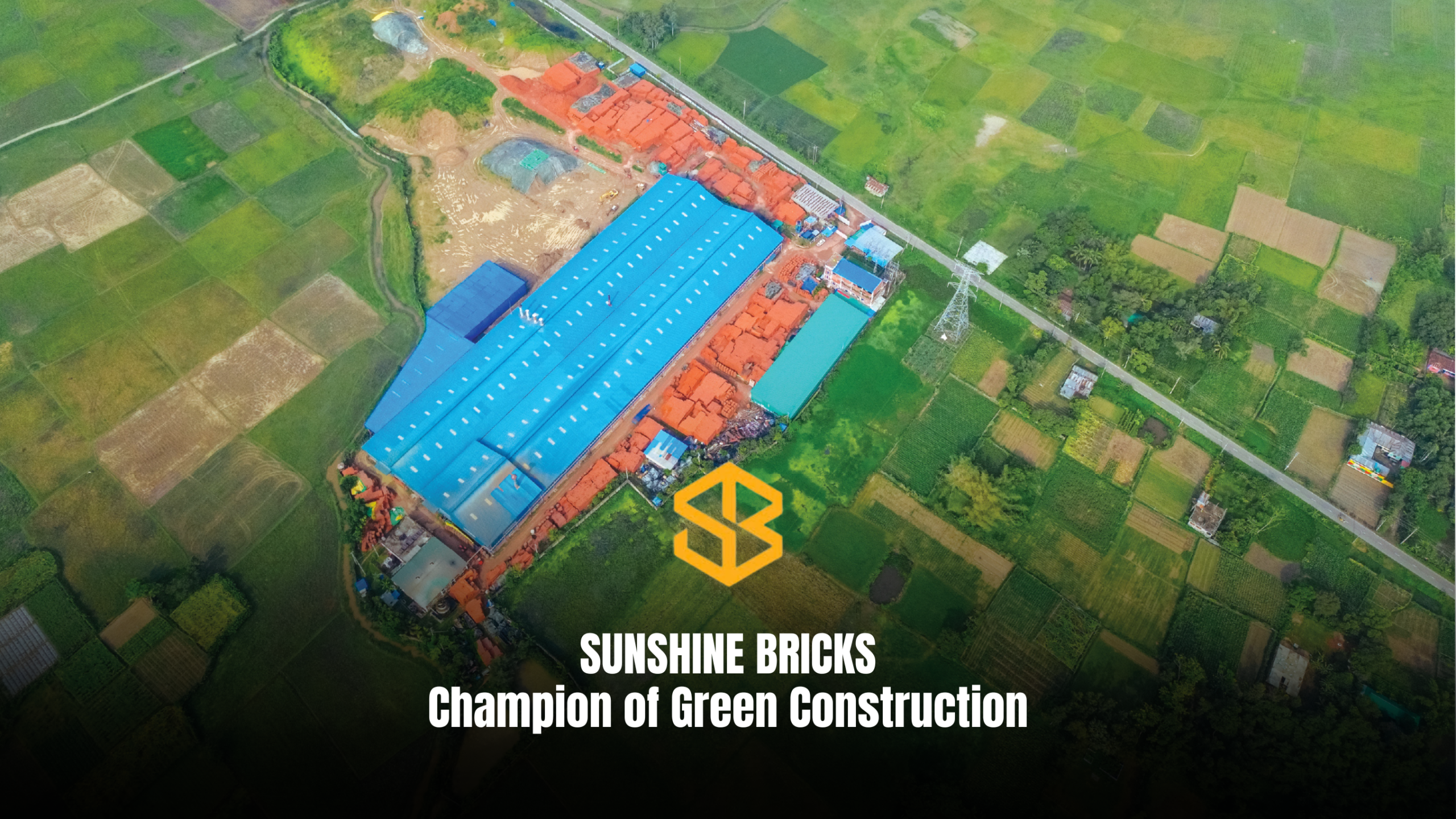
“It’s not about 10-hole bricks. It’s about a formula for a lifetime investment.” That is how Sakif Ariff Tabani, vice chairman of Mirpur Ceramics, Khadim Ceramics and Sunshine Bricks, describes the philosophy behind one of Bangladesh’s most ambitious ventures in the building materials sector. In a country where traditional red bricks have long dominated construction, Sunshine Bricks has emerged as a standout brand, reshaping expectations of durability, design, and sustainability. From Habiganj to the National Stage Sunshine Bricks was founded to revolutionise Bangladesh’s brick industry. Based in Habiganj, it serves growing demand for quality building materials nationwide. As part of the Mirpur Ceramics group, alongside Khadim Ceramics—both renowned for manufacturing excellence—the company was created to fill a market gap for ceramic bricks and blocks that combine durability with aesthetic appeal. “With a strong foundation in ceramics, Sunshine Bricks was launched to evolve into a leading brand in Bangladesh’s ceramic bricks and structural clay product industry,” said the vice chairman. Traditional red bricks offered strength but little else. Sunshine Bricks changed that by investing in advanced technology and automation, producing materials that enhance structures while meeting the highest standards of quality. “Over time, Sunshine has become a key player in domestic and international markets, offering sustainable, versatile products for diverse construction needs,” said Sakif Ariff Tabani. The “Wonder Blocks” Sunshine Bricks is not a traditional auto-bricks company using Chinese technology. It is not about producing 10-hole bricks. Instead, it is about creating products that deliver comfortable living conditions and cost savings in energy consumption. Certified for eco-friendly products, the company has positioned itself as a pioneer in sustainable building materials. Among its most celebrated innovations are ceramic clay blocks, branded as “Wonder Blocks”. “These blocks are ideal for high-rise buildings, offering eco-friendly and energy-saving solutions,” said Sakif Ariff Tabani. “Sunshine Bricks is also the first company in Bangladesh to produce facing bricks, coloured and textured bricks, and ceramic blocks—setting it apart from traditional manufacturers.” “The coloured and textured bricks offer architects and developers a wide variety of designs and colours, enabling visually striking facades for residential and commercial buildings,” he said. Produced using cutting-edge technology, these bricks ensure durability, weather resistance, and colour consistency. The ceramic blocks are designed for specific purposes such as soundproofing and lightweight building solutions. Their lightweight nature reduces the overall weight of a structure without compromising strength, while their sound-insulating properties make them ideal for noise-sensitive areas. “By introducing these products, Sunshine Bricks is addressing modern needs such as energy efficiency, noise control, and aesthetic value,” said the veteran entrepreneur. Technology at the Core Sustainability is embedded in Sunshine Bricks’ production process. The company employs state-of-the-art technology to minimise environmental impact while ensuring high-quality output. Its fully automated production line ensures precision and consistency, reducing waste and optimising resources. A key innovation is Tunnel Kiln Technology, which is far more energy-efficient than traditional kiln methods. Tunnel kilns use controlled heat distribution, allowing for consistent firing and better energy use. This reduces the carbon footprint while ensuring higher-quality bricks with fewer defects. Recycling processes are also integral. Water used in manufacturing is filtered and reused, minimising waste. Raw materials are sourced responsibly, and the company incorporates alternative, eco-friendly materials into production. Sustainability is not an afterthought but a guiding principle. The “Green Champion” Recognition The decision to invest in Tunnel Kiln Technology was driven by efficiency and environmental responsibility. Traditional vertical kilns are costly and environmentally damaging. Tunnel kilns, by contrast, allow for consistent production with less energy consumption and precise temperature control. The result is higher-quality bricks with fewer defects. The measurable gains have been significant. Energy consumption has reduced by about 30 percent, while emissions have decreased substantially. The use of alternative fuels in firing further lowers the carbon footprint. These achievements earned Sunshine Bricks the “Green Champion” title, validating its efforts. For Tabani, however, the recognition is more than an accolade—it is a reminder that sustainability in manufacturing is necessary for long-term success. Serving Diverse Markets Sunshine Bricks serves customers across domestic and international markets. Its primary clients include government entities and public sector projects, supplying materials for major initiatives such as the metro rail, railway infrastructure, and education sector developments. These large-scale projects demand durability, consistency, and high quality—hallmarks of Sunshine Bricks. The private sector is equally vital. Developers, architects, and homeowners rely on the company for solutions that are both functional and aesthetically pleasing. From luxury residences to commercial and mixed-use projects, Sunshine Bricks delivers products that meet diverse needs. Internationally, Sunshine Bricks has expanded into the Middle East and Singapore, where demand for innovative, high-quality materials is rising. By tailoring offerings to local codes and design preferences, Sunshine Bricks has ensured adaptability—key to its success across markets. A Legacy Since 1958 Sunshine Bricks is part of a proud legacy dating back to 1958, when Mirpur Ceramics first began producing bricks and building materials in Bangladesh. Over the decades, Mirpur Ceramics earned a strong reputation for quality, reliability, and innovation. That experience and commitment are deeply embedded in Sunshine Bricks today. Drawing on this rich history, Sunshine Bricks represents the modern evolution of Bangladesh’s brick and ceramics industry. Decades of expertise have been combined with advanced automation, eco-friendly technology, and modern design concepts to meet the growing demands of sustainable urban development. Leading the Transformation As Bangladesh urbanises, demand for sustainable, high-quality building materials is rising. Sunshine Bricks sees itself leading this transformation—driving the industry toward greener, smarter, and more design-oriented solutions. The company also seeks to expand internationally, showcasing Bangladeshi innovation through exports to the Middle East and Southeast Asia. With over six decades of experience, Sunshine Bricks is not just building structures—it is helping build a more sustainable and progressive Bangladesh. Redefining Building
