

A new chapter in early childhood care begins with the opening of the second BRAC University Daycare Centre, located in the vibrant Badda Campus of BRAC University, Dhaka. This thoughtfully designed facility serves as a sanctuary for children up to eight years old, offering a nurturing environment that prioritizes safety and development.
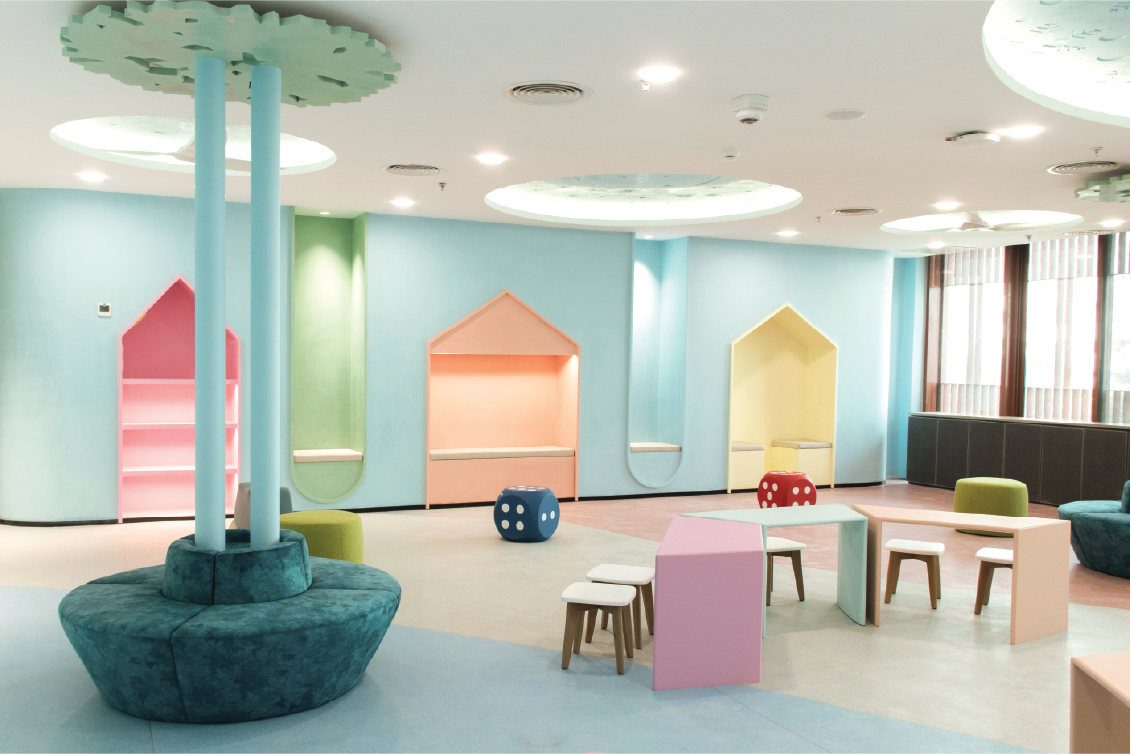
Designed by Dwm4 Intrends, with an enchanting lighting scheme from Miro Lighting, the daycare centre is a dynamic and imaginative world where play, learning, and exploration intertwine, creating a joyful space for the children.
A Palette of Softness and Imagination
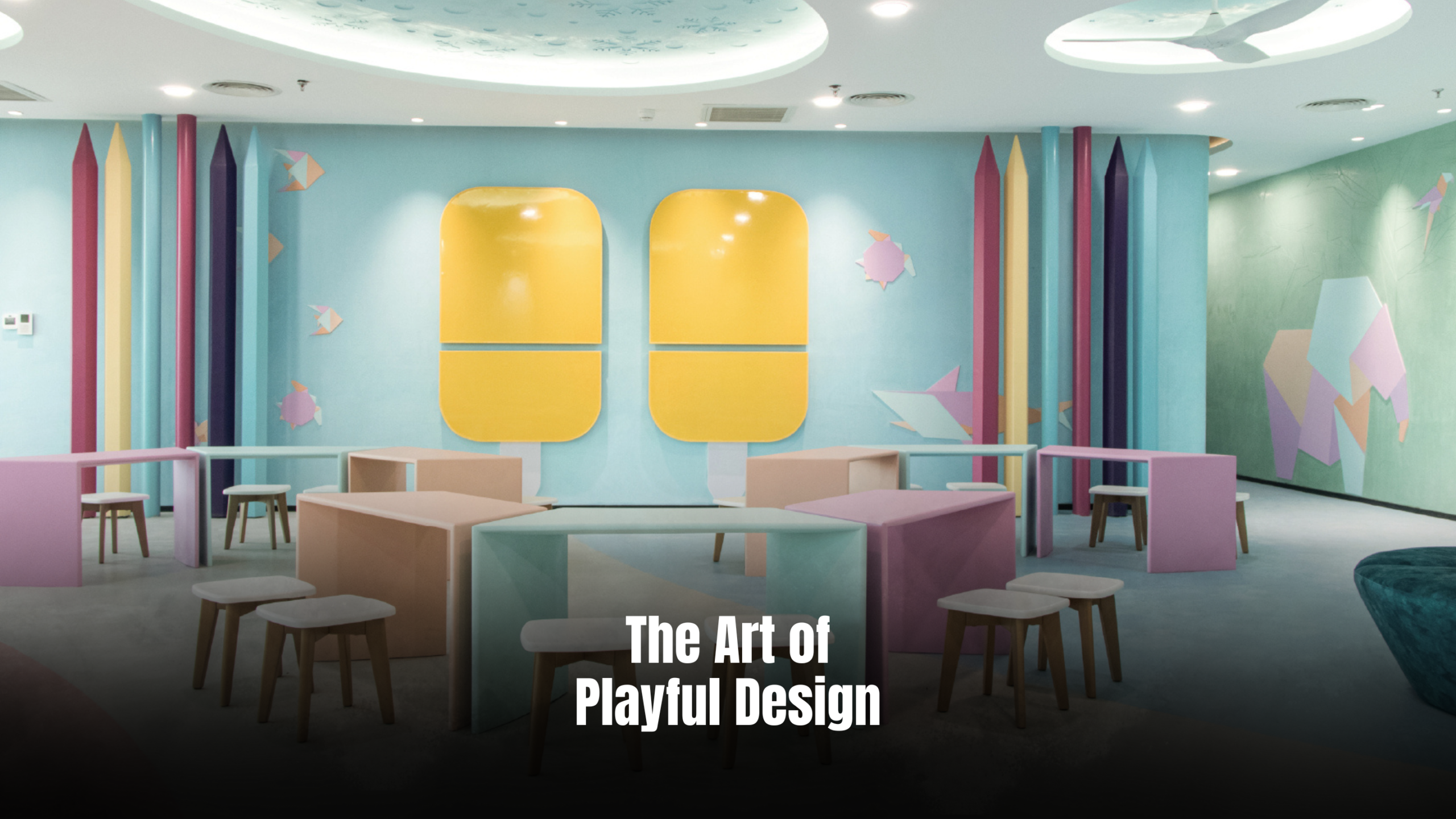
The daycare’s core design philosophy is built on a foundation of softness and playfulness. The space is defined by a serene Scandinavian colour palette of pastel shades—soft pinks, blues, and greens—that create a calming and inviting atmosphere. This selection of soft hues was a conscious decision to create a tranquil environment where children feel secure and at ease.
Central to the design, this concept is also considered in all edges and volumes and is evident in the custom-made modular furniture, which features rounded edges to prevent bruises and generously cushioned surfaces for comfort.
Thoughtful Zoning for a Comfortable Experience
The daycare’s layout is thoughtfully divided into two primary zones: public and private. The public zone serves as a welcoming entry point for parents, where mothers can drop off their kids, change their clothes, or feed them. This area features an ergonomically designed washroom with sinks and toilets at child-friendly heights.
The private zone is the heart of the daycare. It features a common activity area for all kids—a dynamic space for interaction, play, and learning. Adjacent to this is a sound-insulated nap room, a peaceful sanctuary exclusively for toddlers. This segregated room ensures a quiet and restful environment for sleep, with secure storage above the beds for personal belongings. This approach prioritises the comfort of children while ensuring that parents experience a sense of security and peace of mind.
Materials in Design That Engage and Inspire
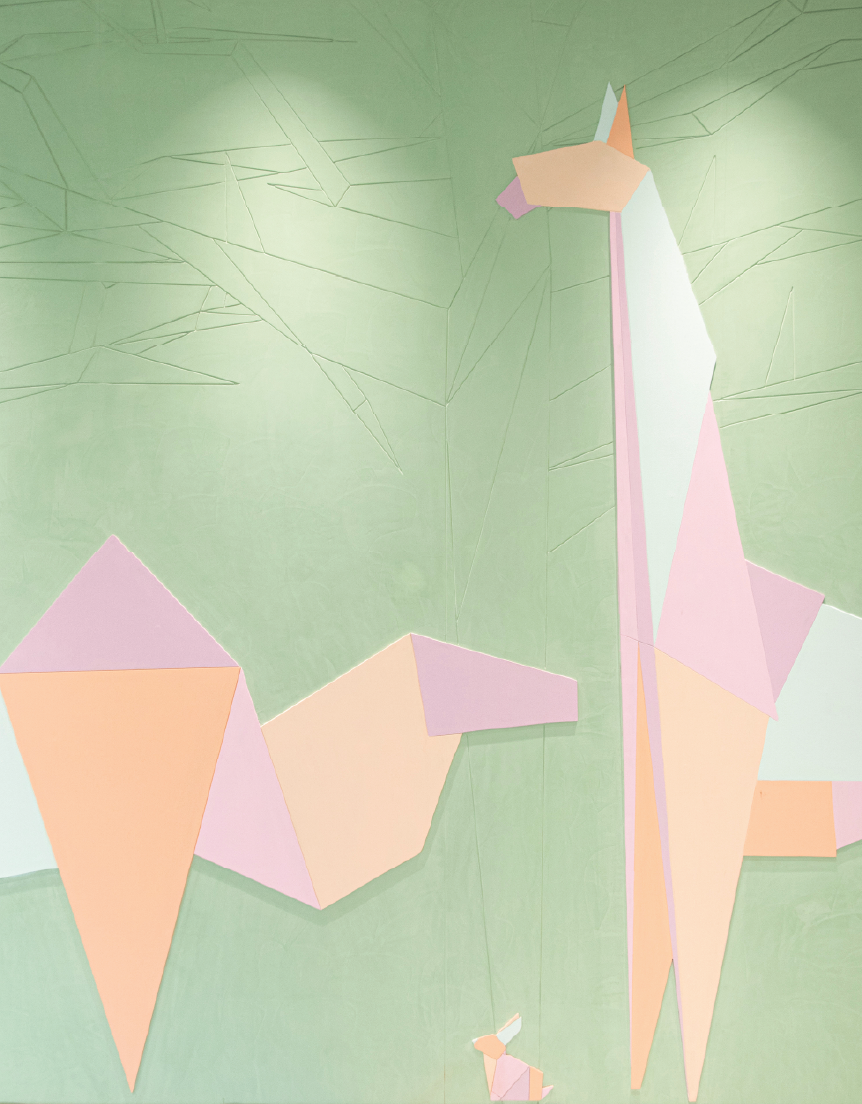
The interiors reflect a calm design approach that is both impressive and functional. The vinyl floors are a durable choice, providing a soft, child-friendly surface that is easy to maintain. The walls are adorned with CNC-cut plywood cutouts that form geometric origami-style animals, such as giraffes and kangaroos, adding a unique texture and depth to the space.
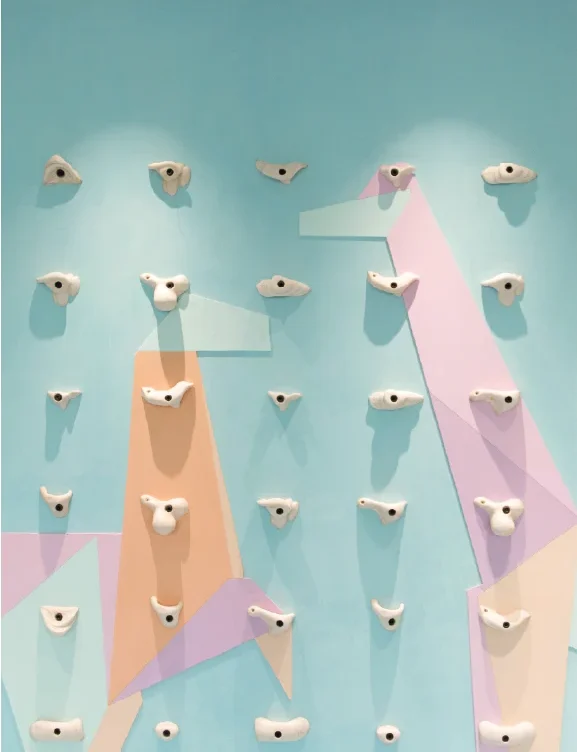
A notable feature of interior design is the vertical rock-climbing wall made from panels with child-friendly grips. This equipment helps the young children develop strength through adventurous play and is designed for those aged 4.5 years and older.
This interactive design maximises floor space for other activities while promoting physical activity and overall development. When integrating an indoor climbing wall into a playroom, the child’s developmental stages and sensory needs were well-considered to ensure a stimulating and safe environment.
Architect Daniel Haque shares, “Children at this age have a lot of curiosity and love to learn from playful shapes, so several playful interactive elements were incorporated in the design.”
Overhead, snowflakes on the ceiling and house-shaped shelves on the walls introduce a sense of whimsy and also serve as visual cues to guide children. For hands-on learning, a pair of yellow, popsicle-shaped whiteboards is placed strategically, offering a fun way for children to express their creativity and learn.
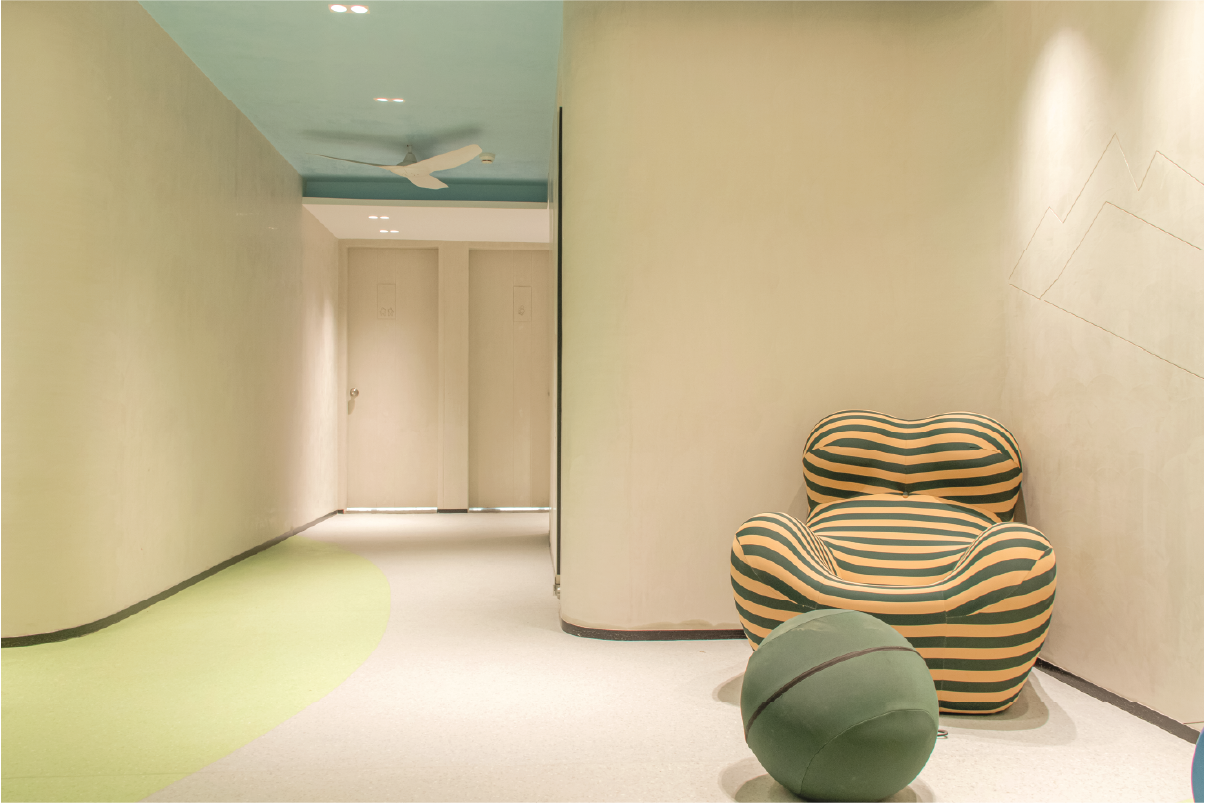
The pencil-shaped steel columns and child-sized furniture are used throughout the space, including a specially designed sofa that draws inspiration from the iconic “La Mamma” piece near the entrance, scaled down to suit the proportions of young children.
The “La Mamma” furniture concept, also known as “Big Mama” or “Donna,” refers to Gaetano Pesce’s Up armchair.
This iconic piece, introduced in 1969, is characterised by its distinctive shape and was initially made of foam. The armchair’s design has become a symbol of design and feminism, and a modern design classic.
Prioritising Safety in Every Detail
Safety was the number one priority throughout the design process. Architect Daniel Haque emphasises, “Special consideration was taken to soften all the edges; there’s no sharp corner here. Every edge has been wrapped with fabric. All switches and sockets are also placed above children’s height so that they can’t access them.”
The furniture, floor, and wall materials were all selected with durability and safety in mind, proving that a playful and beautiful design can be achieved without compromising on security.
This vibrant daycare was effectively designed by the lead architectural team of Mamnoon M. Chowdhury, Mahmudul Anwar Riyaad, Daniel Haque, and Md. Arifur Rahman. They worked in close association with architects Hasib Rehan and Md. Raduan Ahmed, and the construction was executed by Ar. Arifuzzaman Khan, Engr. Md. Omor Faruque, and Engr. Md. Tareq Rana, to create a practical environment specifically designed to meet the needs of young children.
Written By Samira Ahsan