


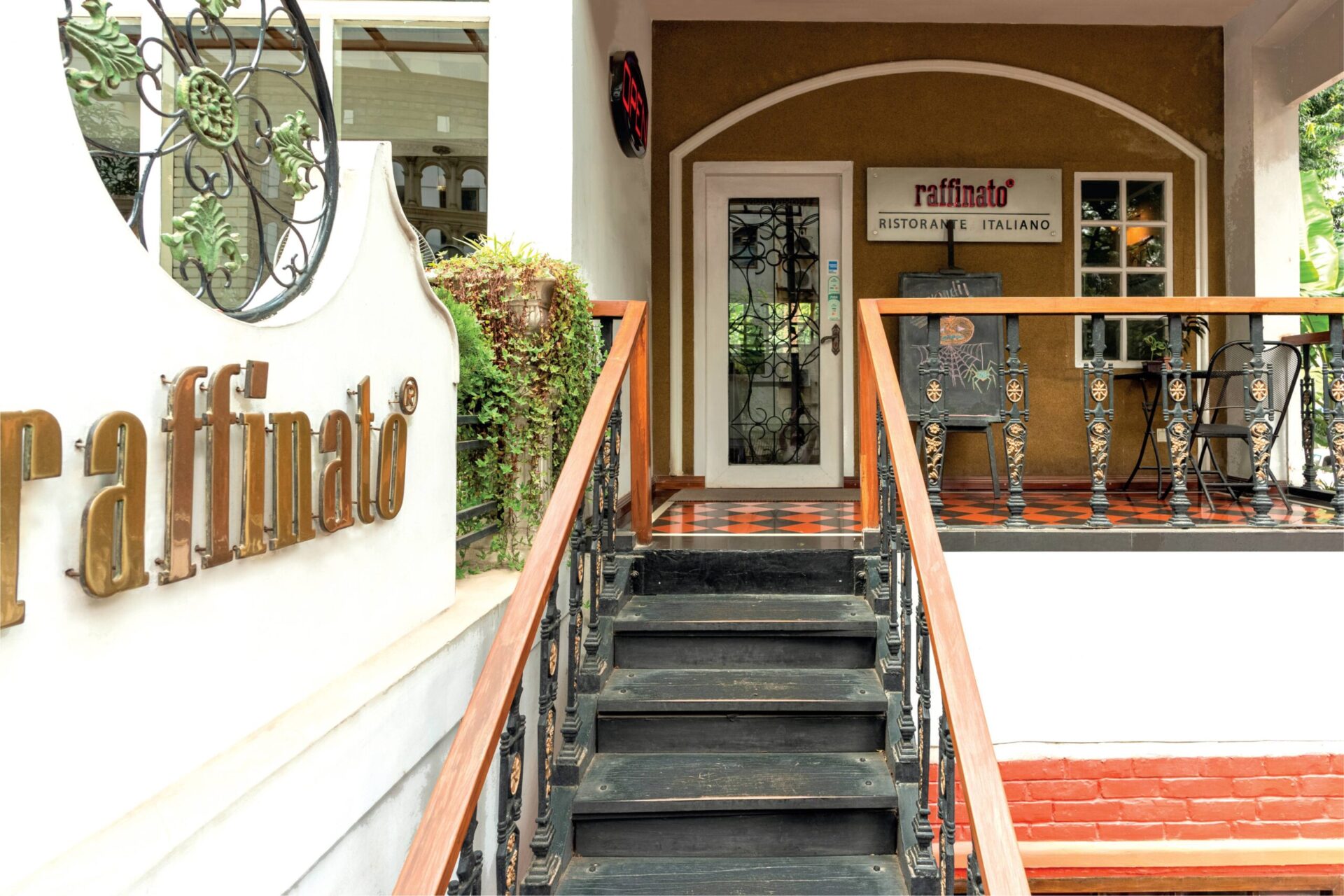
Residing in a quiet corner in Dhaka’s Gulshan area, one can find a mini-Europe as soon as s/he spots Raffinato. “Raffinato Ristorante Italiano” – just by seeing the name, one can already sense its Italian essence. At the first glance, I noticed a cozy, two-story white house with an L-shaped stairway leading to a small balcony, which gave more of a European home vibe.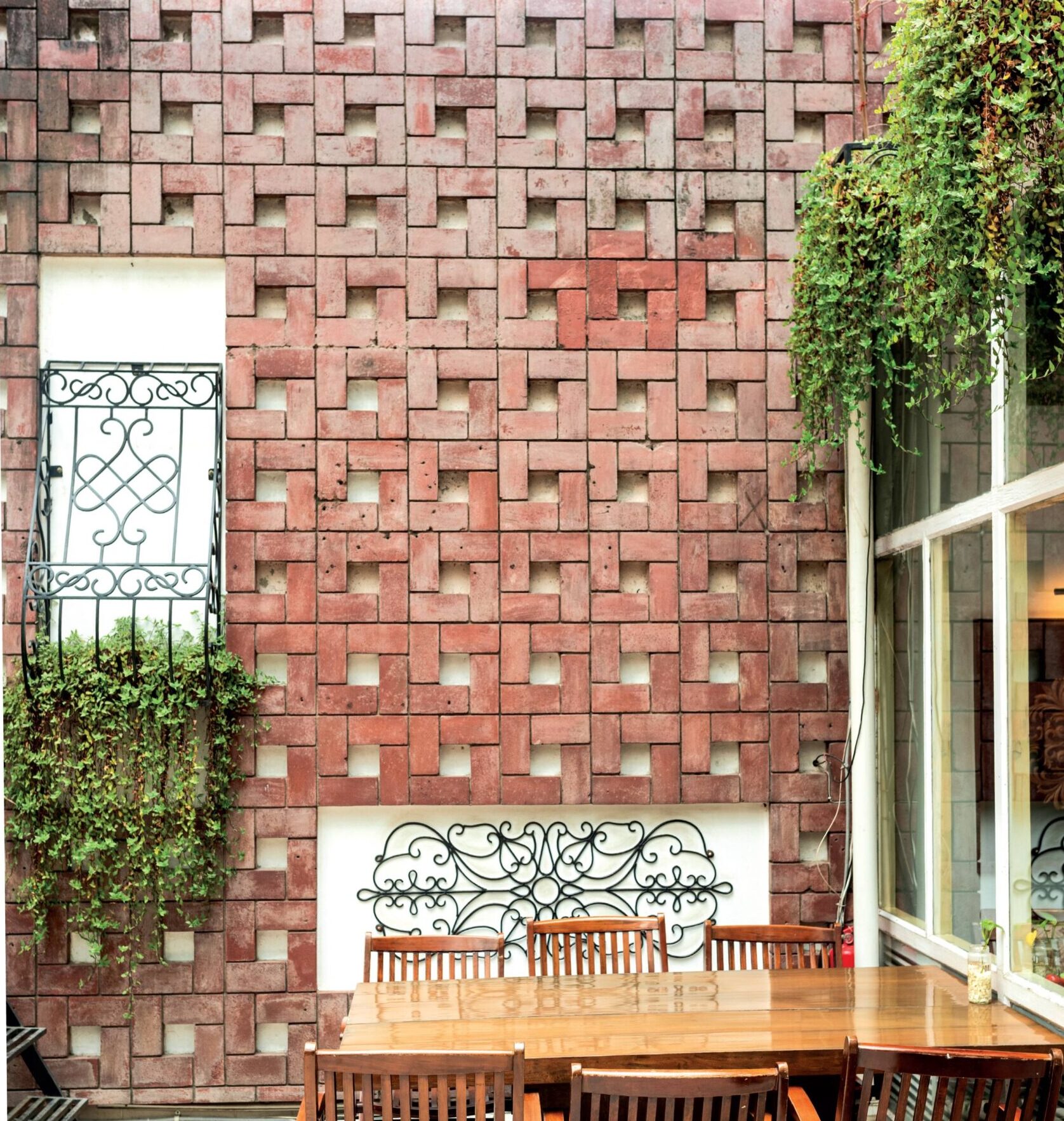 As I entered the restaurant from the balcony, the interior instantly offered an elegant and calm ambiance. In the scorching summer heat of the Dhaka city, my mind and body felt much more relaxed with its cozy horizon and a hint of Flamenco music playing in the background. Your eyes might get stuck on the paintings, décor pieces, and furniture that contain a dash of Italy. What caught my eye was the miniature frontage of the Roman Colosseum built right next to the tranquil balcony area, as if I were sitting right in Rome. I wondered how one can get a diverse experience during different weather conditions while they sit here and enjoy their meal. Another factor that came to my attention was the seating arrangement made for different sets of customers. The place seems to be fit for both family outings and romantic candlelit dinners. Meanwhile, I happened to bump into the chief chef, Faisal Aziz, who was nothing but an absolute pleasure to chat with. He talked about his inspiring culinary credentials and his journey of mastering his craft.
 He also mentioned his mentors, who are one of his core Mediterranean heritage influences behind his cuisines, and one of them was Iftekhar Khan, the designer of Raffinato. Just like the name Raffinato, which means “refined” in Italian, the vision behind building this restaurant was to bring authentic Italian experiences, from the interior to the cuisine. It was the brainchild of both Chef Faisal and Iftekhar. When I asked them about bringing this concept to life, they said how they made sure that the demeanour and prestige feel of a brand name must flow flawlessly from the cuisine to the interior; each little element should come together without leaving even the slightest possibility that might make the guest feel a little out of place. When I asked about conceptualising their idea, Iftekhar referred to it as a complex concept since Italian dining can be less formal even at the apex level, but it’s classic and trendy modernist at the same time. It isn’t anywhere close to what’s represented globally as Italian Food or Italian Eateries, as popularised by a few huge international fast-food chains. So, there were a few factors they had to keep in mind, such as including elements that had to be present in realistic quantities and making no exaggeration of one or the other. Exaggerating designs and cuisines both tend to force things into rather comical outcomes.
They just couldn’t replace Italian tiles with Mexican tiles, while both are rooted in Latin culture; they both have their very own flair of distinctive elements I was slightly curious if they faced any difficulties finding the right furniture, tiles, and decor elements that went well with the theme of the restaurant. To which Iftekhar mentioned their mixed experience of having to import a few of the items they couldn’t find here. They wanted to make the most of our local artisans; hence, the paintings adorning the wall of the restaurant were done by the local artists. Although a large number of people wouldn’t readily detect it but they just couldn’t replace Italian tiles with Mexican tiles, while both are rooted in Latin culture; they both have their very own flair of distinctive elements, which they couldn’t compromise with, said Iftekhar.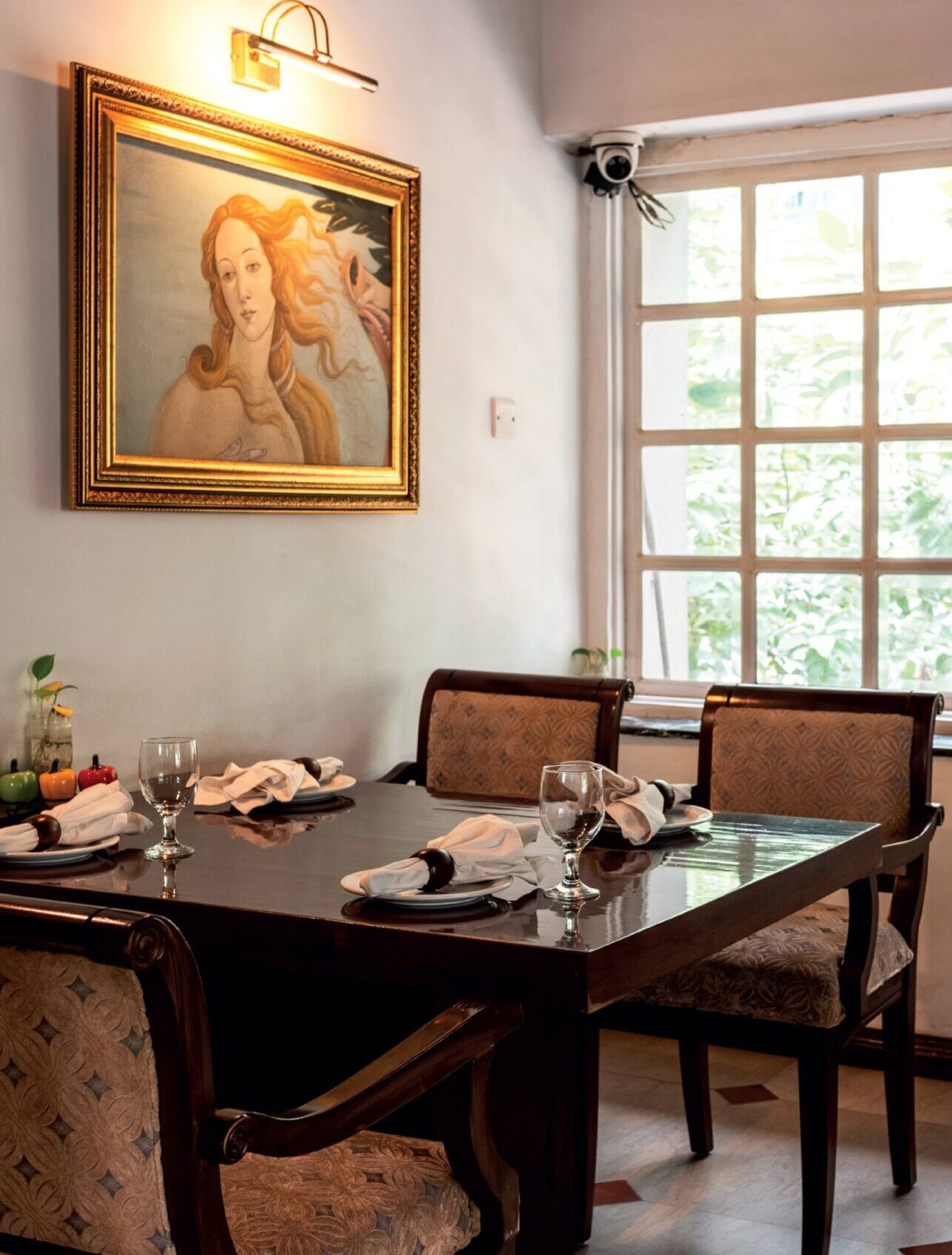
The furniture is of typical Italian design, and the materials, down to the fabrics, are exactly what one can find in any upscale Italian dining venue. The artisans are local. Sourcing locally while striving to maintain the integrity of an old and well-set culture isn’t simple, but it’s super satisfying, says Iftekhar. So, when a venetian handblown lightbulb goes out, they know that no replacement except for the original venetian piece would do.
Lastly, when I asked about his favourite part of the restaurant’s interior that he designed himself, Iftekhar mentioned the patio area, especially in the mornings. He added how it’s the ambiance that the intricately done ceramic brick work creates, and it’s the Colosseum towering beside their seating area, which is a scaled-down version with nothing compromised as far as the design and the measurements in terms of the ratio, the plants, and the flowers; they all come together at this terrace. Indeed, one will be bound to say Eccellente! after their visit to Raffinato.