


Ceramic Bangladesh Magazine

test

IAB Build Expo, ArchSummit See Vibrant Participation of Architects on Day 2

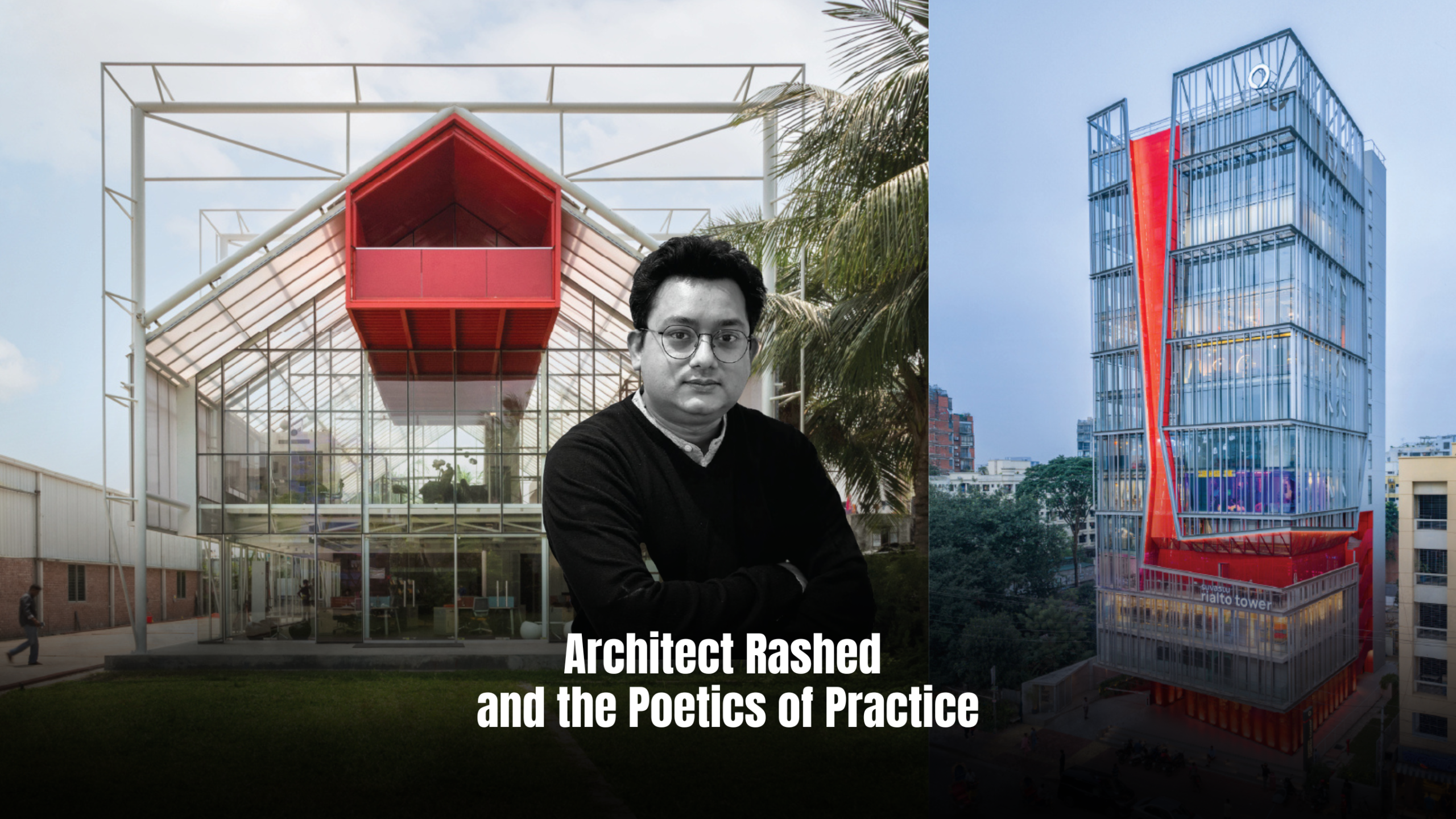
Day two of the global events of the Institute of Architects Bangladesh (IAB) — the IAB Build Expo 2025 and Bangladesh ArchSummit 2025 — saw vibrant participation from architects, designers, academics, and industry leaders from home and abroad.   While the ArchSummit hosted curated seminars and panel discussions for registered participants, addressing key issues within the contemporary architectural landscape, the IAB Build Expo — the country’s largest exhibition of building materials and construction innovations — remained open to all visitors. Held at the Bangladesh-China Friendship Conference Centre (BCFCC) in the capital alongside the expo, IAB launched Bangladesh ArchSummit 2025 under the theme “Crafting Space, Shaping Habitat.” The three-day event, running from December 11 to 13, brought together global and local experts from various fields to engage in dialogue on the future of Asia’s built environment.   The ground floor of BCFCC hosted a lively exhibition where leading brands showcased their latest products and innovations, allowing visitors to explore advancements that support stronger, safer, and more sustainable construction. The second floor featured a dedicated ArchSummit seminar hall, with adjacent corridors displaying award-winning architectural projects from Bangladesh, creating a well-curated and dynamic event overall. Architect Rashed Chowdhury, a practising architect and founder of Dehsar Works (DW), opened the second day’s roundtable discussion on the “Poetics of Crafting Spaces” with a fundamental question: “Where is here?” “Our geographical and socio-political context inevitably shapes our responsibilities as designers — influencing how we think about space-making and the materials we choose,” he said.   By posing this question, he invited participants to examine how the sense of belonging is defined, whether “here” is determined by political boundaries or by the deeper, more enduring contours of culture and identity. Speaking on materiality, award-winning green architect Rizvi Hassan remarked that it is much like cooking — and that, like any good chef, architects should feel free to use all the ingredients available to them. Shamsul Wares, a trailblazer of contemporary Bangladeshi architecture and an eminent art critic, reflected on how modern architecture’s obsession with efficiency has fallen short, arguing that true value lies in quality and the poetic dimension of space. “Architecture is about designing experience,” he said, highlighting light as both phenomenon and material. Wares urged architects to learn from modernity’s mistakes while considering the body, soul, and society in their work. “All art wants to be poetry. Poetry wants to be music. And music ultimately wants to be spirituality,” he concluded.   The event’s guest of honour, Architect Fawad Suhail Abbasi, president of the Institute of Architects, Pakistan (IAP), reflected on how the day’s discussion prompted him to reassess his own practice. With his firm long focusing on brick and sustainable architectural practice, he realised that one cannot overlook the foundational lessons inherited from peers and mentors. He emphasised the importance of finding the mentor within oneself, following that inner direction, and discovering one’s own architectural path, much like the evolving journey of Bangladeshi architects today. After a break for prayer and lunch, a second panel discussion on design, dialogue, and direction in shaping habitat brought together local architects and academics. The discussion highlighted how governments worldwide often overlook the realities of architectural practice — advising against costly materials without recognising that every material has its place when used appropriately. One panellist noted that while academic curricula aligned with the SDGs have expanded, they fail to create responsible citizens who can truly improve the city and country.   The day concluded with the IAB Induction Ceremony 2025, welcoming its new fellows and members. Chief Adviser of the Government of Bangladesh, Muhammad Yunus, conveyed his heartfelt congratulations virtually, noting that one of the year’s first significant milestones was the unification of the Architects’ Association of South Asia. With representatives from seven countries coming together, he emphasised that this collaboration would strengthen knowledge exchange, professional cooperation, and a sense of fraternity among architects across the region — particularly as many of their challenges remain shared.   Written by Fariha Hossain

Welcome to the World of Ceramics

Once a quiet corner of the industrial map, Bangladesh’s ceramic sector has sculpted its way into the spotlight. Over the past decade, the industry has witnessed an extraordinary 150 percent surge in both production and investment, transforming it from a modest manufacturing niche into a vibrant engine of growth.     It’s a milestone that marks the rise of a sector now central to the country’s architectural identity. That journey now enters a new chapter with the return of Ceramic Expo Bangladesh 2025, the flagship event of the Bangladesh Ceramic Manufacturers and Exporters Association (BCMEA).   From November 27 to 30, the International Convention City Bashundhara (ICCB) in Dhaka will transform its Pushpanjali – Hall 5 into a showcase of ceramic excellence—bringing together over 136 exhibitors, 300 brands, and more than 25,000 visitors under one roof, with the support of the Export Promotion Bureau (EPB), Techna, ASEAN Ceramics, Keramika Indonesia, and Ceramic China.   Now in its fourth edition, the expo has grown into one of South Asia’s most influential B2B platforms, drawing over 500 foreign delegates and participants from 25 countries.   “This is Bangladesh’s only international exhibition dedicated to ceramics,” said Irfan Uddin, general secretary of BCMEA and chairman of Ceramic Expo Bangladesh. “With 31 local manufacturers and 105 global exhibitors, the expo creates unmatched opportunities for partnership, investment, and growth.”   From raw materials to robotics, from sustainable kilns to smart design, the expo promises a panoramic view of what’s next in ceramic innovation.   GLOBAL AND LOCAL EXHIBITORS     The 2025 edition of the ceramic expo has a long list of local and foreign exhibitors. Every local ceramic company will join the show, along with international participants—most of which are raw material, machinery, or tech suppliers. Every participant of the expo has high hopes for Bangladesh’s ceramic industry.   Kutubuddin Ahmed, chairman of Sheltech Ceramics Ltd, said the ceramic industry in Bangladesh is entering a new era driven by talent, quality, and a growing domestic market. “Ceramic Expo Bangladesh 2025 is the perfect platform to experience this progress.”   Leading Chinese company Foshan HLT & DLT Technology Co. Ltd also believes ceramics have every potential to be the next big export earner for Bangladesh, said Marco Guan, deputy managing director of HLT & DLT and chairman of DLT, a supplier of engineering design, machinery, and technical know-how.   Sacmi Imola S.C. (SALA), a global ceramic technology leader, sees Bangladesh’s strong entrepreneurial spirit and technical expertise as key to becoming a global hub.   Despite challenges like energy costs, infrastructure gaps, and banking inefficiencies, local ceramic companies show resilience, long-term vision, and a focus on quality over price wars, the company said.   SPONSORS   Leading local ceramic company Sheltech Ceramics Ltd is the principal sponsor of this year’s Ceramic Expo, while there are three platinum sponsors: DBL Ceramics Ltd, Akij Ceramics Ltd, and Meghna Ceramic Ind. Ltd.   The 2025 edition has four gold sponsors: Mir Ceramic Ind. Ltd and Abul Khair Ceramic Ind. Ltd from the local market, and Sacmi Imola S.C. (SALA) and Foshan HLT & DLT Technology Co., Ltd. from the foreign market.   FOUR DAYS OF CERAMIC ACTIVITY   “At Ceramic Expo Bangladesh 2025, local technicians will directly engage with global exhibitors to find real-time solutions,” said Moynul Islam, president of BCMEA. “It’s the world’s only trade fair uniting both Chinese and European ceramic giants under one roof.”   Dealers’ Night   One of the standout moments at Ceramic Expo Bangladesh 2025 will be the Dealers’ Night, a grand gathering designed to celebrate the people who carry the industry’s story to every corner of the country.   More than just a networking event, Dealers’ Night will serve as a recognition of the sales leaders, distributors, and retail partners who bridge the gap between manufacturers and consumers.   The evening will bring together over 200 dealers, sales professionals, and more than 20 industry leaders from across Bangladesh, creating a vibrant forum for exchange, collaboration, and celebration.   It is here that the industry’s “deal-breakers” will share experiences, discuss market trends, and explore strategies to expand the reach of Bangladeshi ceramics both locally and globally.   The BCMEA is organising the event with a clear vision: to honour the dealers and salespersons as the torchbearers of the ceramic industry. Their role is not limited to transactions; they are the storytellers who translate innovation into demand, and the ambassadors who ensure that Bangladesh-made ceramics find their way into homes, offices, and institutions.   Seminars   Every day at Ceramic Expo Bangladesh 2025 won’t just be about booths and business cards—it’ll be buzzing with ideas. Alongside the packed exhibition halls, multiple seminars will dive into the real issues shaping the future of Bangladesh’s ceramic industry.   With over 70 manufacturers investing nearly $2 billion and more than 60,000 people directly involved, these conversations matter.   From energy costs to export hurdles, topics that often go unheard will finally take center stage—thanks to open discussions between industry leaders, policymakers, and professionals.   The seminars are:   Energy Efficiency Strategies for Industry in Bangladesh: Challenges and Opportunities   This seminar will explore how Bangladesh’s ceramic industry can adopt renewable energy, improve efficiency, and reduce costs. Experts will highlight practical solutions, policy frameworks, and global best practices to ensure sustainable growth amid rising energy challenges.   Skills Development for Sustainable Growth in Industry Focused on workforce transformation, this session will examine training, technical education, and innovation-driven skill sets. Industry leaders and policymakers will discuss how nurturing talent can strengthen competitiveness, empower youth, and secure long-term sustainability for Bangladesh’s ceramic sector. Global Market Strategies: Challenges and Opportunities for Ceramic Products This seminar will analyze export diversification, branding, and competitiveness in international markets. Discussions will address trade barriers, logistics, and evolving consumer preferences, while showcasing strategies to position Bangladeshi ceramics as a global leader in quality and innovation. B2B / B2C Meetings     The fair will offer ample space for B2B and B2C meetings, enabling local and global

Read More »

Welcome to the World of Ceramics

Once a quiet corner of the industrial map, Bangladesh’s ceramic sector has sculpted its way into the spotlight. Over the past decade, the industry has witnessed an extraordinary 150 percent surge in both production and investment, transforming it from a modest manufacturing niche into a vibrant engine of growth.     It’s a milestone that marks the rise of a sector now central to the country’s architectural identity. That journey now enters a new chapter with the return of Ceramic Expo Bangladesh 2025, the flagship event of the Bangladesh Ceramic Manufacturers and Exporters Association (BCMEA).   From November 27 to 30, the International Convention City Bashundhara (ICCB) in Dhaka will transform its Pushpanjali – Hall 5 into a showcase of ceramic excellence—bringing together over 136 exhibitors, 300 brands, and more than 25,000 visitors under one roof, with the support of the Export Promotion Bureau (EPB), Techna, ASEAN Ceramics, Keramika Indonesia, and Ceramic China.   Now in its fourth edition, the expo has grown into one of South Asia’s most influential B2B platforms, drawing over 500 foreign delegates and participants from 25 countries.   “This is Bangladesh’s only international exhibition dedicated to ceramics,” said Irfan Uddin, general secretary of BCMEA and chairman of Ceramic Expo Bangladesh. “With 31 local manufacturers and 105 global exhibitors, the expo creates unmatched opportunities for partnership, investment, and growth.”   From raw materials to robotics, from sustainable kilns to smart design, the expo promises a panoramic view of what’s next in ceramic innovation.   GLOBAL AND LOCAL EXHIBITORS     The 2025 edition of the ceramic expo has a long list of local and foreign exhibitors. Every local ceramic company will join the show, along with international participants—most of which are raw material, machinery, or tech suppliers. Every participant of the expo has high hopes for Bangladesh’s ceramic industry.   Kutubuddin Ahmed, chairman of Sheltech Ceramics Ltd, said the ceramic industry in Bangladesh is entering a new era driven by talent, quality, and a growing domestic market. “Ceramic Expo Bangladesh 2025 is the perfect platform to experience this progress.”   Leading Chinese company Foshan HLT & DLT Technology Co. Ltd also believes ceramics have every potential to be the next big export earner for Bangladesh, said Marco Guan, deputy managing director of HLT & DLT and chairman of DLT, a supplier of engineering design, machinery, and technical know-how.   Sacmi Imola S.C. (SALA), a global ceramic technology leader, sees Bangladesh’s strong entrepreneurial spirit and technical expertise as key to becoming a global hub.   Despite challenges like energy costs, infrastructure gaps, and banking inefficiencies, local ceramic companies show resilience, long-term vision, and a focus on quality over price wars, the company said.   SPONSORS   Leading local ceramic company Sheltech Ceramics Ltd is the principal sponsor of this year’s Ceramic Expo, while there are three platinum sponsors: DBL Ceramics Ltd, Akij Ceramics Ltd, and Meghna Ceramic Ind. Ltd.   The 2025 edition has four gold sponsors: Mir Ceramic Ind. Ltd and Abul Khair Ceramic Ind. Ltd from the local market, and Sacmi Imola S.C. (SALA) and Foshan HLT & DLT Technology Co., Ltd. from the foreign market.   FOUR DAYS OF CERAMIC ACTIVITY   “At Ceramic Expo Bangladesh 2025, local technicians will directly engage with global exhibitors to find real-time solutions,” said Moynul Islam, president of BCMEA. “It’s the world’s only trade fair uniting both Chinese and European ceramic giants under one roof.”   Dealers’ Night   One of the standout moments at Ceramic Expo Bangladesh 2025 will be the Dealers’ Night, a grand gathering designed to celebrate the people who carry the industry’s story to every corner of the country.   More than just a networking event, Dealers’ Night will serve as a recognition of the sales leaders, distributors, and retail partners who bridge the gap between manufacturers and consumers.   The evening will bring together over 200 dealers, sales professionals, and more than 20 industry leaders from across Bangladesh, creating a vibrant forum for exchange, collaboration, and celebration.   It is here that the industry’s “deal-breakers” will share experiences, discuss market trends, and explore strategies to expand the reach of Bangladeshi ceramics both locally and globally.   The BCMEA is organising the event with a clear vision: to honour the dealers and salespersons as the torchbearers of the ceramic industry. Their role is not limited to transactions; they are the storytellers who translate innovation into demand, and the ambassadors who ensure that Bangladesh-made ceramics find their way into homes, offices, and institutions.   Seminars Every day at Ceramic Expo Bangladesh 2025 won’t just be about booths and business cards—it’ll be buzzing with ideas. Alongside the packed exhibition halls, multiple seminars will dive into the real issues shaping the future of Bangladesh’s ceramic industry.   With over 70 manufacturers investing nearly $2 billion and more than 60,000 people directly involved, these conversations matter.   From energy costs to export hurdles, topics that often go unheard will finally take center stage—thanks to open discussions between industry leaders, policymakers, and professionals.   The seminars are:   Energy Efficiency Strategies for Industry in Bangladesh: Challenges and Opportunities This seminar will explore how Bangladesh’s ceramic industry can adopt renewable energy, improve efficiency, and reduce costs. Experts will highlight practical solutions, policy frameworks, and global best practices to ensure sustainable growth amid rising energy challenges.   Skills Development for Sustainable Growth in Industry   Focused on workforce transformation, this session will examine training, technical education, and innovation-driven skill sets. Industry leaders and policymakers will discuss how nurturing talent can strengthen competitiveness, empower youth, and secure long-term sustainability for Bangladesh’s ceramic sector.   Global Market Strategies: Challenges and Opportunities for Ceramic Products   This seminar will analyze export diversification, branding, and competitiveness in international markets. Discussions will address trade barriers, logistics, and evolving consumer preferences, while showcasing strategies to position Bangladeshi ceramics as a global leader in quality and innovation.   B2B / B2C Meetings The fair will offer ample space for B2B and B2C meetings, enabling local and global

Read More »

IAB Build Expo, ArchSummit See Vibrant Participation of Architects on Day 2

Day two of the global events of the Institute of Architects Bangladesh (IAB) — the IAB Build Expo 2025 and Bangladesh ArchSummit 2025 — saw vibrant participation from architects, designers, academics, and industry leaders from home and abroad.   While the ArchSummit hosted curated seminars and panel discussions for registered participants, addressing key issues within the contemporary architectural landscape, the IAB Build Expo — the country’s largest exhibition of building materials and construction innovations — remained open to all visitors. Held at the Bangladesh-China Friendship Conference Centre (BCFCC) in the capital alongside the expo, IAB launched Bangladesh ArchSummit 2025 under the theme “Crafting Space, Shaping Habitat.” The three-day event, running from December 11 to 13, brought together global and local experts from various fields to engage in dialogue on the future of Asia’s built environment.   The ground floor of BCFCC hosted a lively exhibition where leading brands showcased their latest products and innovations, allowing visitors to explore advancements that support stronger, safer, and more sustainable construction. The second floor featured a dedicated ArchSummit seminar hall, with adjacent corridors displaying award-winning architectural projects from Bangladesh, creating a well-curated and dynamic event overall. Architect Rashed Chowdhury, a practising architect and founder of Dehsar Works (DW), opened the second day’s roundtable discussion on the “Poetics of Crafting Spaces” with a fundamental question: “Where is here?” “Our geographical and socio-political context inevitably shapes our responsibilities as designers — influencing how we think about space-making and the materials we choose,” he said.   By posing this question, he invited participants to examine how the sense of belonging is defined, whether “here” is determined by political boundaries or by the deeper, more enduring contours of culture and identity. Speaking on materiality, award-winning green architect Rizvi Hassan remarked that it is much like cooking — and that, like any good chef, architects should feel free to use all the ingredients available to them. Shamsul Wares, a trailblazer of contemporary Bangladeshi architecture and an eminent art critic, reflected on how modern architecture’s obsession with efficiency has fallen short, arguing that true value lies in quality and the poetic dimension of space. “Architecture is about designing experience,” he said, highlighting light as both phenomenon and material. Wares urged architects to learn from modernity’s mistakes while considering the body, soul, and society in their work. “All art wants to be poetry. Poetry wants to be music. And music ultimately wants to be spirituality,” he concluded.   The event’s guest of honour, Architect Fawad Suhail Abbasi, president of the Institute of Architects, Pakistan (IAP), reflected on how the day’s discussion prompted him to reassess his own practice. With his firm long focusing on brick and sustainable architectural practice, he realised that one cannot overlook the foundational lessons inherited from peers and mentors. He emphasised the importance of finding the mentor within oneself, following that inner direction, and discovering one’s own architectural path, much like the evolving journey of Bangladeshi architects today. After a break for prayer and lunch, a second panel discussion on design, dialogue, and direction in shaping habitat brought together local architects and academics. The discussion highlighted how governments worldwide often overlook the realities of architectural practice — advising against costly materials without recognising that every material has its place when used appropriately. One panellist noted that while academic curricula aligned with the SDGs have expanded, they fail to create responsible citizens who can truly improve the city and country.   The day concluded with the IAB Induction Ceremony 2025, welcoming its new fellows and members. Chief Adviser of the Government of Bangladesh, Muhammad Yunus, conveyed his heartfelt congratulations virtually, noting that one of the year’s first significant milestones was the unification of the Architects’ Association of South Asia. With representatives from seven countries coming together, he emphasised that this collaboration would strengthen knowledge exchange, professional cooperation, and a sense of fraternity among architects across the region — particularly as many of their challenges remain shared.   Written by Fariha Hossain

Read More »

IAB Build Expo, ArchSummit See Vibrant Participation of Architects on Day 2

Day two of the global events of the Institute of Architects Bangladesh (IAB) — the IAB Build Expo 2025 and Bangladesh ArchSummit 2025 — saw vibrant participation from architects, designers, academics, and industry leaders from home and abroad.   While the ArchSummit hosted curated seminars and panel discussions for registered participants, addressing key issues within the contemporary architectural landscape, the IAB Build Expo — the country’s largest exhibition of building materials and construction innovations — remained open to all visitors. Held at the Bangladesh-China Friendship Conference Centre (BCFCC) in the capital alongside the expo, IAB launched Bangladesh ArchSummit 2025 under the theme “Crafting Space, Shaping Habitat.” The three-day event, running from December 11 to 13, brought together global and local experts from various fields to engage in dialogue on the future of Asia’s built environment.   The ground floor of BCFCC hosted a lively exhibition where leading brands showcased their latest products and innovations, allowing visitors to explore advancements that support stronger, safer, and more sustainable construction. The second floor featured a dedicated ArchSummit seminar hall, with adjacent corridors displaying award-winning architectural projects from Bangladesh, creating a well-curated and dynamic event overall. Architect Rashed Chowdhury, a practising architect and founder of Dehsar Works (DW), opened the second day’s roundtable discussion on the “Poetics of Crafting Spaces” with a fundamental question: “Where is here?” “Our geographical and socio-political context inevitably shapes our responsibilities as designers — influencing how we think about space-making and the materials we choose,” he said.   By posing this question, he invited participants to examine how the sense of belonging is defined, whether “here” is determined by political boundaries or by the deeper, more enduring contours of culture and identity. Speaking on materiality, award-winning green architect Rizvi Hassan remarked that it is much like cooking — and that, like any good chef, architects should feel free to use all the ingredients available to them. Shamsul Wares, a trailblazer of contemporary Bangladeshi architecture and an eminent art critic, reflected on how modern architecture’s obsession with efficiency has fallen short, arguing that true value lies in quality and the poetic dimension of space. “Architecture is about designing experience,” he said, highlighting light as both phenomenon and material. Wares urged architects to learn from modernity’s mistakes while considering the body, soul, and society in their work. “All art wants to be poetry. Poetry wants to be music. And music ultimately wants to be spirituality,” he concluded.   The event’s guest of honour, Architect Fawad Suhail Abbasi, president of the Institute of Architects, Pakistan (IAP), reflected on how the day’s discussion prompted him to reassess his own practice. With his firm long focusing on brick and sustainable architectural practice, he realised that one cannot overlook the foundational lessons inherited from peers and mentors. He emphasised the importance of finding the mentor within oneself, following that inner direction, and discovering one’s own architectural path, much like the evolving journey of Bangladeshi architects today. After a break for prayer and lunch, a second panel discussion on design, dialogue, and direction in shaping habitat brought together local architects and academics. The discussion highlighted how governments worldwide often overlook the realities of architectural practice — advising against costly materials without recognising that every material has its place when used appropriately. One panellist noted that while academic curricula aligned with the SDGs have expanded, they fail to create responsible citizens who can truly improve the city and country.   The day concluded with the IAB Induction Ceremony 2025, welcoming its new fellows and members. Chief Adviser of the Government of Bangladesh, Muhammad Yunus, conveyed his heartfelt congratulations virtually, noting that one of the year’s first significant milestones was the unification of the Architects’ Association of South Asia. With representatives from seven countries coming together, he emphasised that this collaboration would strengthen knowledge exchange, professional cooperation, and a sense of fraternity among architects across the region — particularly as many of their challenges remain shared.   Written by Fariha Hossain

Read More »

Bangladesh ArchSummit 2025 Begins Alongside the IAB Build Expo 2025

  The Institute of Architects Bangladesh (IAB) inaugurated the Bangladesh ArchSummit 2025 today, December 11. This year’s theme, “Crafting Space, Shaping Habitat,” sets the stage for a grand celebration of architecture, education, profession and practice, ideas, innovation, and excellence.   Running in parallel with the Summit, IAB also launched the IAB Build Expo 2025, the country’s largest exhibition of building materials and construction innovations.   Both events will continue until December 13 at the Bangladesh China Friendship Conference Centre (BCFCC). The Summit is open exclusively to registered participants, while the Expo is open to all visitors.     This year’s Summit has been carefully planned with a distinguished lineup of renowned international and national speakers, along with a range of enriching programmes, including an exhibition of award-winning architectural works, roundtable discussions, a young citizens’ painting competition, a photography competition, and exciting cultural events for registered participants.   Participants will also have the opportunity to attend the Student Forum, Youth Forum, and plenary sessions, where esteemed speakers will share their ideas, design philosophies, and professional insights throughout the three-day event.     Day One began with the Student Forum, featuring a quiz and debate competition, and included the Summit and Build Expo Inauguration Ceremony.   Other attractions include the Open Photography Competition, Young Citizens’ Painting Competition, and Public Exhibition on Architecture.     The Young Painting Exhibition features curated artworks submitted by students from Classes 6 to 10. The jury panel for the selection included Architect Rafiq Azam, artist Afzal Hossain, and Farida Zaman.   The theme of the architectural works exhibition, PEOPLE | PLACE | PRESENCE, celebrates architecture that shapes communities, responds to context, and defines presence through space.   The exhibition showcases curated works selected from project submissions in the following categories: Internationally Awarded Projects (2024–2025) from Bangladesh IAB & BERGER Award Projects (last cycle) Public Projects (nationwide) Projects Located in Old Dhaka   The project selection team comprised Dr. Abu Sayeed M Ahmed, Ar. Khan Md. Mahfuzul Hug Zaglul, Ar. Nowajish Mahbub, Dr. Khurshid Zabin Hossain Taufique, and Prof. Zainab Faruqui Ali.   The ArchSummit and Build Expo aim to provide a platform for architects, students, industry professionals, and the public to explore architecture, innovation, and the future of the built environment in Bangladesh.   Written By Tasmiah Chowdhury

Read More »

Bangladesh ArchSummit 2025 Begins Alongside the IAB Build Expo 2025

  The Institute of Architects Bangladesh (IAB) inaugurated the Bangladesh ArchSummit 2025 today, December 11. This year’s theme, “Crafting Space, Shaping Habitat,” sets the stage for a grand celebration of architecture, education, profession and practice, ideas, innovation, and excellence.   Running in parallel with the Summit, IAB also launched the IAB Build Expo 2025, the country’s largest exhibition of building materials and construction innovations.   Both events will continue until December 13 at the Bangladesh China Friendship Conference Centre (BCFCC). The Summit is open exclusively to registered participants, while the Expo is open to all visitors.     This year’s Summit has been carefully planned with a distinguished lineup of renowned international and national speakers, along with a range of enriching programmes, including an exhibition of award-winning architectural works, roundtable discussions, a young citizens’ painting competition, a photography competition, and exciting cultural events for registered participants.   Participants will also have the opportunity to attend the Student Forum, Youth Forum, and plenary sessions, where esteemed speakers will share their ideas, design philosophies, and professional insights throughout the three-day event.     Day One began with the Student Forum, featuring a quiz and debate competition, and included the Summit and Build Expo Inauguration Ceremony.   Other attractions include the Open Photography Competition, Young Citizens’ Painting Competition, and Public Exhibition on Architecture.     The Young Painting Exhibition features curated artworks submitted by students from Classes 6 to 10. The jury panel for the selection included Architect Rafiq Azam, artist Afzal Hossain, and Farida Zaman.   The theme of the architectural works exhibition, PEOPLE | PLACE | PRESENCE, celebrates architecture that shapes communities, responds to context, and defines presence through space.   The exhibition showcases curated works selected from project submissions in the following categories: Internationally Awarded Projects (2024–2025) from Bangladesh IAB & BERGER Award Projects (last cycle) Public Projects (nationwide) Projects Located in Old Dhaka   The project selection team comprised Dr. Abu Sayeed M Ahmed, Ar. Khan Md. Mahfuzul Hug Zaglul, Ar. Nowajish Mahbub, Dr. Khurshid Zabin Hossain Taufique, and Prof. Zainab Faruqui Ali.   The ArchSummit and Build Expo aim to provide a platform for architects, students, industry professionals, and the public to explore architecture, innovation, and the future of the built environment in Bangladesh.   Written By Tasmiah Chowdhury

Read More »

IAB Build Expo, ArchSummit See Vibrant Participation of Architects on Day 2

Day two of the global events of the Institute of Architects Bangladesh (IAB) — the IAB Build Expo 2025 and Bangladesh ArchSummit 2025 — saw vibrant participation from architects, designers, academics, and industry leaders from home and abroad.   While the ArchSummit hosted curated seminars and panel discussions for registered participants, addressing key issues within the contemporary architectural landscape, the IAB Build Expo — the country’s largest exhibition of building materials and construction innovations — remained open to all visitors. Held at the Bangladesh-China Friendship Conference Centre (BCFCC) in the capital alongside the expo, IAB launched Bangladesh ArchSummit 2025 under the theme “Crafting Space, Shaping Habitat.” The three-day event, running from December 11 to 13, brought together global and local experts from various fields to engage in dialogue on the future of Asia’s built environment.   The ground floor of BCFCC hosted a lively exhibition where leading brands showcased their latest products and innovations, allowing visitors to explore advancements that support stronger, safer, and more sustainable construction. The second floor featured a dedicated ArchSummit seminar hall, with adjacent corridors displaying award-winning architectural projects from Bangladesh, creating a well-curated and dynamic event overall. Architect Rashed Chowdhury, a practising architect and founder of Dehsar Works (DW), opened the second day’s roundtable discussion on the “Poetics of Crafting Spaces” with a fundamental question: “Where is here?” “Our geographical and socio-political context inevitably shapes our responsibilities as designers — influencing how we think about space-making and the materials we choose,” he said.   By posing this question, he invited participants to examine how the sense of belonging is defined, whether “here” is determined by political boundaries or by the deeper, more enduring contours of culture and identity. Speaking on materiality, award-winning green architect Rizvi Hassan remarked that it is much like cooking — and that, like any good chef, architects should feel free to use all the ingredients available to them. Shamsul Wares, a trailblazer of contemporary Bangladeshi architecture and an eminent art critic, reflected on how modern architecture’s obsession with efficiency has fallen short, arguing that true value lies in quality and the poetic dimension of space. “Architecture is about designing experience,” he said, highlighting light as both phenomenon and material. Wares urged architects to learn from modernity’s mistakes while considering the body, soul, and society in their work. “All art wants to be poetry. Poetry wants to be music. And music ultimately wants to be spirituality,” he concluded.   The event’s guest of honour, Architect Fawad Suhail Abbasi, president of the Institute of Architects, Pakistan (IAP), reflected on how the day’s discussion prompted him to reassess his own practice. With his firm long focusing on brick and sustainable architectural practice, he realised that one cannot overlook the foundational lessons inherited from peers and mentors. He emphasised the importance of finding the mentor within oneself, following that inner direction, and discovering one’s own architectural path, much like the evolving journey of Bangladeshi architects today. After a break for prayer and lunch, a second panel discussion on design, dialogue, and direction in shaping habitat brought together local architects and academics. The discussion highlighted how governments worldwide often overlook the realities of architectural practice — advising against costly materials without recognising that every material has its place when used appropriately. One panellist noted that while academic curricula aligned with the SDGs have expanded, they fail to create responsible citizens who can truly improve the city and country.   The day concluded with the IAB Induction Ceremony 2025, welcoming its new fellows and members. Chief Adviser of the Government of Bangladesh, Muhammad Yunus, conveyed his heartfelt congratulations virtually, noting that one of the year’s first significant milestones was the unification of the Architects’ Association of South Asia. With representatives from seven countries coming together, he emphasised that this collaboration would strengthen knowledge exchange, professional cooperation, and a sense of fraternity among architects across the region — particularly as many of their challenges remain shared.   Written by Fariha Hossain

Read More »