


Energy Crisis Pushes Ceramic Industry to the Brink
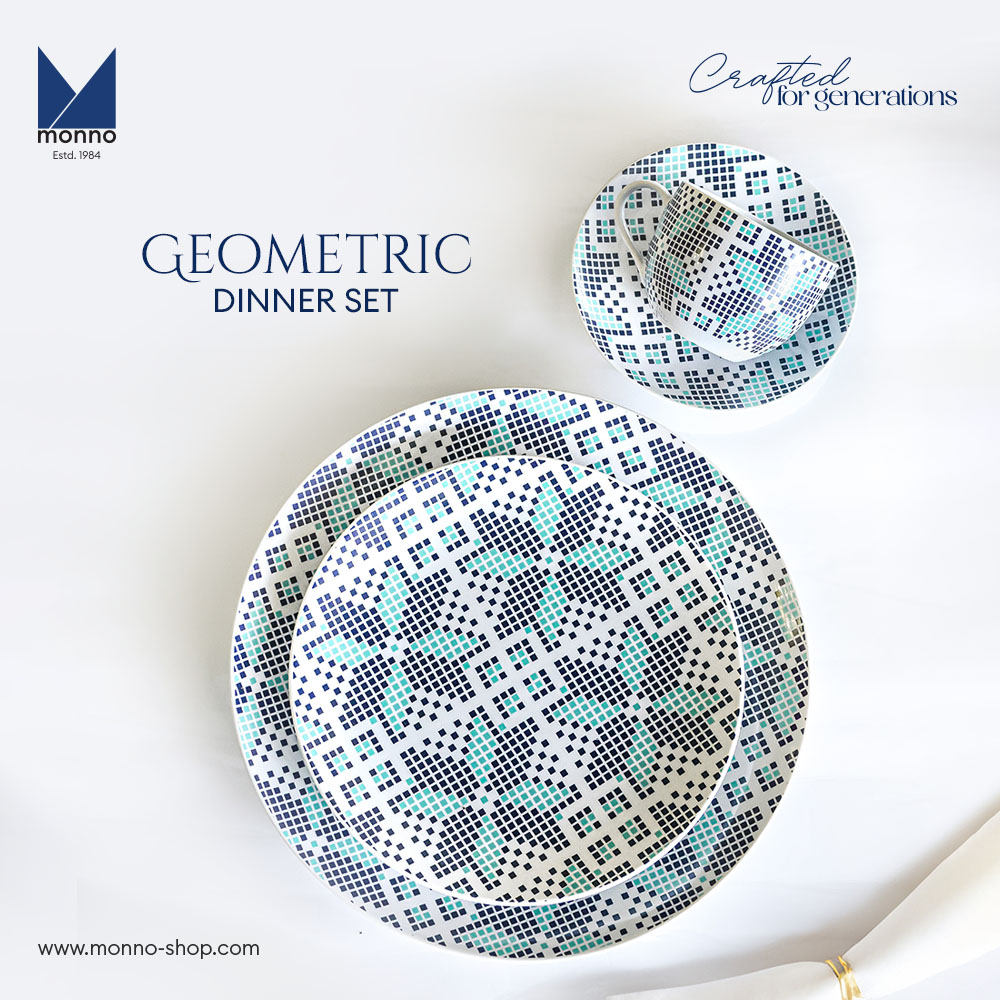
Bangladesh’s ceramic industry is facing one of its toughest periods in decades, as soaring gas prices and unstable energy supply strain production and profitability. Between 2015 and 2023, gas prices in the manufacturing sector surged by about 345 percent, including a 150 percent hike in 2023 alone. This escalation has raised production costs by 18-20 percent, since gas serves as both a key energy source and raw material. Yet, producers cannot freely increase prices due to competition from
MADE IN BANGLADESH: Homegrown Champions of Change
Bangladesh’s meteoric rise in the global garment industry has long been admired, and now a deeper transformation is underway — one that reflects diversification, resilience, and ambition. Amid global supply chain realignments and rising manufacturing costs in East Asia, Bangladesh has emerged as one of the world’s most export-ready economies. But beyond the looms and threads, “Made in Bangladesh” businesses are stepping into the spotlight — from green technology and agribusiness to pharmaceuticals and consumer goods.
Architect Marina Tabassum A Rare Brilliance
Architect Marina Tabassum has carved a luminous path that transcends architecture and redefined design as a language of place—rooted in climate, culture, and community. Her Bait Ur Rouf Mosque, completed in 2012, became a global milestone when it earned the Aga Khan Award for Architecture in 2016. In 2025, she achieved the rare distinction of winning the Aga Khan Award again, this time for Khudi Bari. Her brilliance extends far beyond these awards. Tabassum has designed the Museum of

IAB Build Expo, ArchSummit See Vibrant Participation of Architects on Day 2
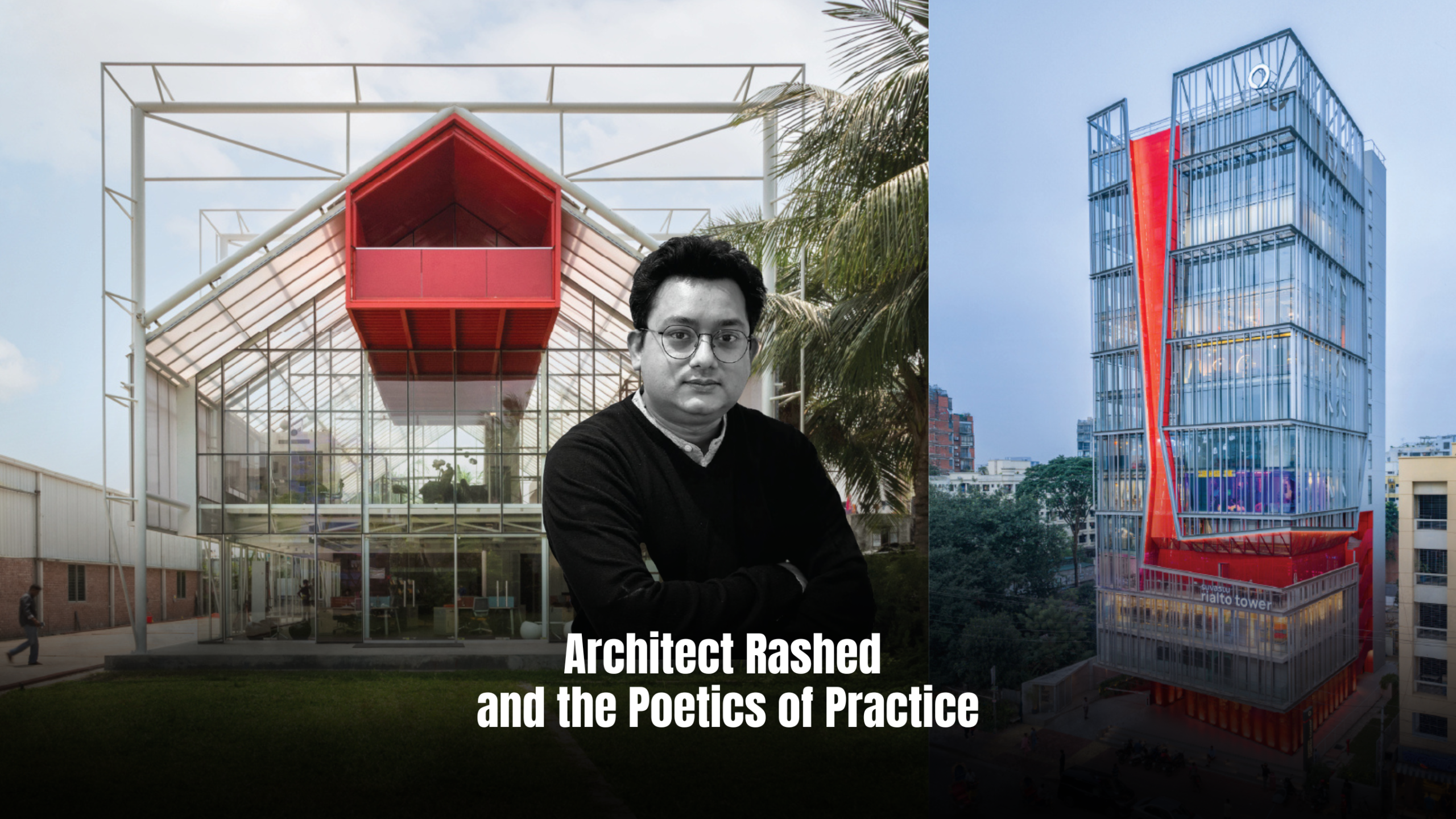
Day two of the global events of the Institute of Architects Bangladesh (IAB) — the IAB Build Expo 2025 and Bangladesh ArchSummit 2025 — saw vibrant participation from architects, designers, academics, and industry leaders from home and abroad. While the ArchSummit hosted curated seminars and panel discussions for registered participants, addressing key issues within the contemporary architectural landscape, the IAB Build Expo — the country’s largest exhibition of building materials and construction innovations — remained open to all visitors. Held at the Bangladesh-China Friendship Conference Centre (BCFCC) in the capital alongside the expo, IAB launched Bangladesh ArchSummit 2025 under the theme “Crafting Space, Shaping Habitat.” The three-day event, running from December 11 to 13, brought together global and local experts from various fields to engage in dialogue on the future of Asia’s built environment. The ground floor of BCFCC hosted a lively exhibition where leading brands showcased their latest products and innovations, allowing visitors to explore advancements that support stronger, safer, and more sustainable construction. The second floor featured a dedicated ArchSummit seminar hall, with adjacent corridors displaying award-winning architectural projects from Bangladesh, creating a well-curated and dynamic event overall. Architect Rashed Chowdhury, a practising architect and founder of Dehsar Works (DW), opened the second day’s roundtable discussion on the “Poetics of Crafting Spaces” with a fundamental question: “Where is here?” “Our geographical and socio-political context inevitably shapes our responsibilities as designers — influencing how we think about space-making and the materials we choose,” he said. By posing this question, he invited participants to examine how the sense of belonging is defined, whether “here” is determined by political boundaries or by the deeper, more enduring contours of culture and identity. Speaking on materiality, award-winning green architect Rizvi Hassan remarked that it is much like cooking — and that, like any good chef, architects should feel free to use all the ingredients available to them. Shamsul Wares, a trailblazer of contemporary Bangladeshi architecture and an eminent art critic, reflected on how modern architecture’s obsession with efficiency has fallen short, arguing that true value lies in quality and the poetic dimension of space. “Architecture is about designing experience,” he said, highlighting light as both phenomenon and material. Wares urged architects to learn from modernity’s mistakes while considering the body, soul, and society in their work. “All art wants to be poetry. Poetry wants to be music. And music ultimately wants to be spirituality,” he concluded. The event’s guest of honour, Architect Fawad Suhail Abbasi, president of the Institute of Architects, Pakistan (IAP), reflected on how the day’s discussion prompted him to reassess his own practice. With his firm long focusing on brick and sustainable architectural practice, he realised that one cannot overlook the foundational lessons inherited from peers and mentors. He emphasised the importance of finding the mentor within oneself, following that inner direction, and discovering one’s own architectural path, much like the evolving journey of Bangladeshi architects today. After a break for prayer and lunch, a second panel discussion on design, dialogue, and direction in shaping habitat brought together local architects and academics. The discussion highlighted how governments worldwide often overlook the realities of architectural practice — advising against costly materials without recognising that every material has its place when used appropriately. One panellist noted that while academic curricula aligned with the SDGs have expanded, they fail to create responsible citizens who can truly improve the city and country. The day concluded with the IAB Induction Ceremony 2025, welcoming its new fellows and members. Chief Adviser of the Government of Bangladesh, Muhammad Yunus, conveyed his heartfelt congratulations virtually, noting that one of the year’s first significant milestones was the unification of the Architects’ Association of South Asia. With representatives from seven countries coming together, he emphasised that this collaboration would strengthen knowledge exchange, professional cooperation, and a sense of fraternity among architects across the region — particularly as many of their challenges remain shared. Written by Fariha Hossain

IAB Build Expo, ArchSummit See Vibrant Participation of Architects on Day 2
Day two of the global events of the Institute of Architects Bangladesh (IAB) — the IAB Build Expo 2025 and Bangladesh ArchSummit 2025 — saw vibrant participation from architects, designers, academics, and industry leaders from home and abroad. While the ArchSummit hosted curated seminars and panel discussions for registered participants, addressing key issues within the contemporary architectural landscape, the IAB Build Expo — the country’s largest exhibition of building materials and construction innovations — remained open to all visitors. Held at the Bangladesh-China Friendship Conference Centre (BCFCC) in the capital alongside the expo, IAB launched Bangladesh ArchSummit 2025 under the theme “Crafting Space, Shaping Habitat.” The three-day event, running from December 11 to 13, brought together global and local experts from various fields to engage in dialogue on the future of Asia’s built environment. The ground floor of BCFCC hosted a lively exhibition where leading brands showcased their latest products and innovations, allowing visitors to explore advancements that support stronger, safer, and more sustainable construction. The second floor featured a dedicated ArchSummit seminar hall, with adjacent corridors displaying award-winning architectural projects from Bangladesh, creating a well-curated and dynamic event overall. Architect Rashed Chowdhury, a practising architect and founder of Dehsar Works (DW), opened the second day’s roundtable discussion on the “Poetics of Crafting Spaces” with a fundamental question: “Where is here?” “Our geographical and socio-political context inevitably shapes our responsibilities as designers — influencing how we think about space-making and the materials we choose,” he said. By posing this question, he invited participants to examine how the sense of belonging is defined, whether “here” is determined by political boundaries or by the deeper, more enduring contours of culture and identity. Speaking on materiality, award-winning green architect Rizvi Hassan remarked that it is much like cooking — and that, like any good chef, architects should feel free to use all the ingredients available to them. Shamsul Wares, a trailblazer of contemporary Bangladeshi architecture and an eminent art critic, reflected on how modern architecture’s obsession with efficiency has fallen short, arguing that true value lies in quality and the poetic dimension of space. “Architecture is about designing experience,” he said, highlighting light as both phenomenon and material. Wares urged architects to learn from modernity’s mistakes while considering the body, soul, and society in their work. “All art wants to be poetry. Poetry wants to be music. And music ultimately wants to be spirituality,” he concluded. The event’s guest of honour, Architect Fawad Suhail Abbasi, president of the Institute of Architects, Pakistan (IAP), reflected on how the day’s discussion prompted him to reassess his own practice. With his firm long focusing on brick and sustainable architectural practice, he realised that one cannot overlook the foundational lessons inherited from peers and mentors. He emphasised the importance of finding the mentor within oneself, following that inner direction, and discovering one’s own architectural path, much like the evolving journey of Bangladeshi architects today. After a break for prayer and lunch, a second panel discussion on design, dialogue, and direction in shaping habitat brought together local architects and academics. The discussion highlighted how governments worldwide often overlook the realities of architectural practice — advising against costly materials without recognising that every material has its place when used appropriately. One panellist noted that while academic curricula aligned with the SDGs have expanded, they fail to create responsible citizens who can truly improve the city and country. The day concluded with the IAB Induction Ceremony 2025, welcoming its new fellows and members. Chief Adviser of the Government of Bangladesh, Muhammad Yunus, conveyed his heartfelt congratulations virtually, noting that one of the year’s first significant milestones was the unification of the Architects’ Association of South Asia. With representatives from seven countries coming together, he emphasised that this collaboration would strengthen knowledge exchange, professional cooperation, and a sense of fraternity among architects across the region — particularly as many of their challenges remain shared. Written by Fariha Hossain
Bangladesh ArchSummit 2025 Begins Alongside the IAB Build Expo 2025
The Institute of Architects Bangladesh (IAB) inaugurated the Bangladesh ArchSummit 2025 today, December 11. This year’s theme, “Crafting Space, Shaping Habitat,” sets the stage for a grand celebration of architecture, education, profession and practice, ideas, innovation, and excellence. Running in parallel with the Summit, IAB also launched the IAB Build Expo 2025, the country’s largest exhibition of building materials and construction innovations. Both events will continue until December 13 at the Bangladesh China Friendship Conference Centre (BCFCC). The Summit is open exclusively to registered participants, while the Expo is open to all visitors. This year’s Summit has been carefully planned with a distinguished lineup of renowned international and national speakers, along with a range of enriching programmes, including an exhibition of award-winning architectural works, roundtable discussions, a young citizens’ painting competition, a photography competition, and exciting cultural events for registered participants. Participants will also have the opportunity to attend the Student Forum, Youth Forum, and plenary sessions, where esteemed speakers will share their ideas, design philosophies, and professional insights throughout the three-day event. Day One began with the Student Forum, featuring a quiz and debate competition, and included the Summit and Build Expo Inauguration Ceremony. Other attractions include the Open Photography Competition, Young Citizens’ Painting Competition, and Public Exhibition on Architecture. The Young Painting Exhibition features curated artworks submitted by students from Classes 6 to 10. The jury panel for the selection included Architect Rafiq Azam, artist Afzal Hossain, and Farida Zaman. The theme of the architectural works exhibition, PEOPLE | PLACE | PRESENCE, celebrates architecture that shapes communities, responds to context, and defines presence through space. The exhibition showcases curated works selected from project submissions in the following categories: Internationally Awarded Projects (2024–2025) from Bangladesh IAB & BERGER Award Projects (last cycle) Public Projects (nationwide) Projects Located in Old Dhaka The project selection team comprised Dr. Abu Sayeed M Ahmed, Ar. Khan Md. Mahfuzul Hug Zaglul, Ar. Nowajish Mahbub, Dr. Khurshid Zabin Hossain Taufique, and Prof. Zainab Faruqui Ali. The ArchSummit and Build Expo aim to provide a platform for architects, students, industry professionals, and the public to explore architecture, innovation, and the future of the built environment in Bangladesh. Written By Tasmiah Chowdhury

IAB Build Expo, ArchSummit See Vibrant Participation of Architects on Day 2
Day two of the global events of the Institute of Architects Bangladesh (IAB) — the IAB Build Expo 2025 and Bangladesh ArchSummit 2025 — saw vibrant participation from architects, designers, academics, and industry leaders from home and abroad. While the ArchSummit hosted curated seminars and panel discussions for registered participants, addressing key issues within the contemporary architectural landscape, the IAB Build Expo — the country’s largest exhibition of building materials and construction innovations — remained open to all visitors. Held at the Bangladesh-China Friendship Conference Centre (BCFCC) in the capital alongside the expo, IAB launched Bangladesh ArchSummit 2025 under the theme “Crafting Space, Shaping Habitat.” The three-day event, running from December 11 to 13, brought together global and local experts from various fields to engage in dialogue on the future of Asia’s built environment. The ground floor of BCFCC hosted a lively exhibition where leading brands showcased their latest products and innovations, allowing visitors to explore advancements that support stronger, safer, and more sustainable construction. The second floor featured a dedicated ArchSummit seminar hall, with adjacent corridors displaying award-winning architectural projects from Bangladesh, creating a well-curated and dynamic event overall. Architect Rashed Chowdhury, a practising architect and founder of Dehsar Works (DW), opened the second day’s roundtable discussion on the “Poetics of Crafting Spaces” with a fundamental question: “Where is here?” “Our geographical and socio-political context inevitably shapes our responsibilities as designers — influencing how we think about space-making and the materials we choose,” he said. By posing this question, he invited participants to examine how the sense of belonging is defined, whether “here” is determined by political boundaries or by the deeper, more enduring contours of culture and identity. Speaking on materiality, award-winning green architect Rizvi Hassan remarked that it is much like cooking — and that, like any good chef, architects should feel free to use all the ingredients available to them. Shamsul Wares, a trailblazer of contemporary Bangladeshi architecture and an eminent art critic, reflected on how modern architecture’s obsession with efficiency has fallen short, arguing that true value lies in quality and the poetic dimension of space. “Architecture is about designing experience,” he said, highlighting light as both phenomenon and material. Wares urged architects to learn from modernity’s mistakes while considering the body, soul, and society in their work. “All art wants to be poetry. Poetry wants to be music. And music ultimately wants to be spirituality,” he concluded. The event’s guest of honour, Architect Fawad Suhail Abbasi, president of the Institute of Architects, Pakistan (IAP), reflected on how the day’s discussion prompted him to reassess his own practice. With his firm long focusing on brick and sustainable architectural practice, he realised that one cannot overlook the foundational lessons inherited from peers and mentors. He emphasised the importance of finding the mentor within oneself, following that inner direction, and discovering one’s own architectural path, much like the evolving journey of Bangladeshi architects today. After a break for prayer and lunch, a second panel discussion on design, dialogue, and direction in shaping habitat brought together local architects and academics. The discussion highlighted how governments worldwide often overlook the realities of architectural practice — advising against costly materials without recognising that every material has its place when used appropriately. One panellist noted that while academic curricula aligned with the SDGs have expanded, they fail to create responsible citizens who can truly improve the city and country. The day concluded with the IAB Induction Ceremony 2025, welcoming its new fellows and members. Chief Adviser of the Government of Bangladesh, Muhammad Yunus, conveyed his heartfelt congratulations virtually, noting that one of the year’s first significant milestones was the unification of the Architects’ Association of South Asia. With representatives from seven countries coming together, he emphasised that this collaboration would strengthen knowledge exchange, professional cooperation, and a sense of fraternity among architects across the region — particularly as many of their challenges remain shared. Written by Fariha Hossain

How Bangladesh’s Interiors Got Smarter, Greener, Better
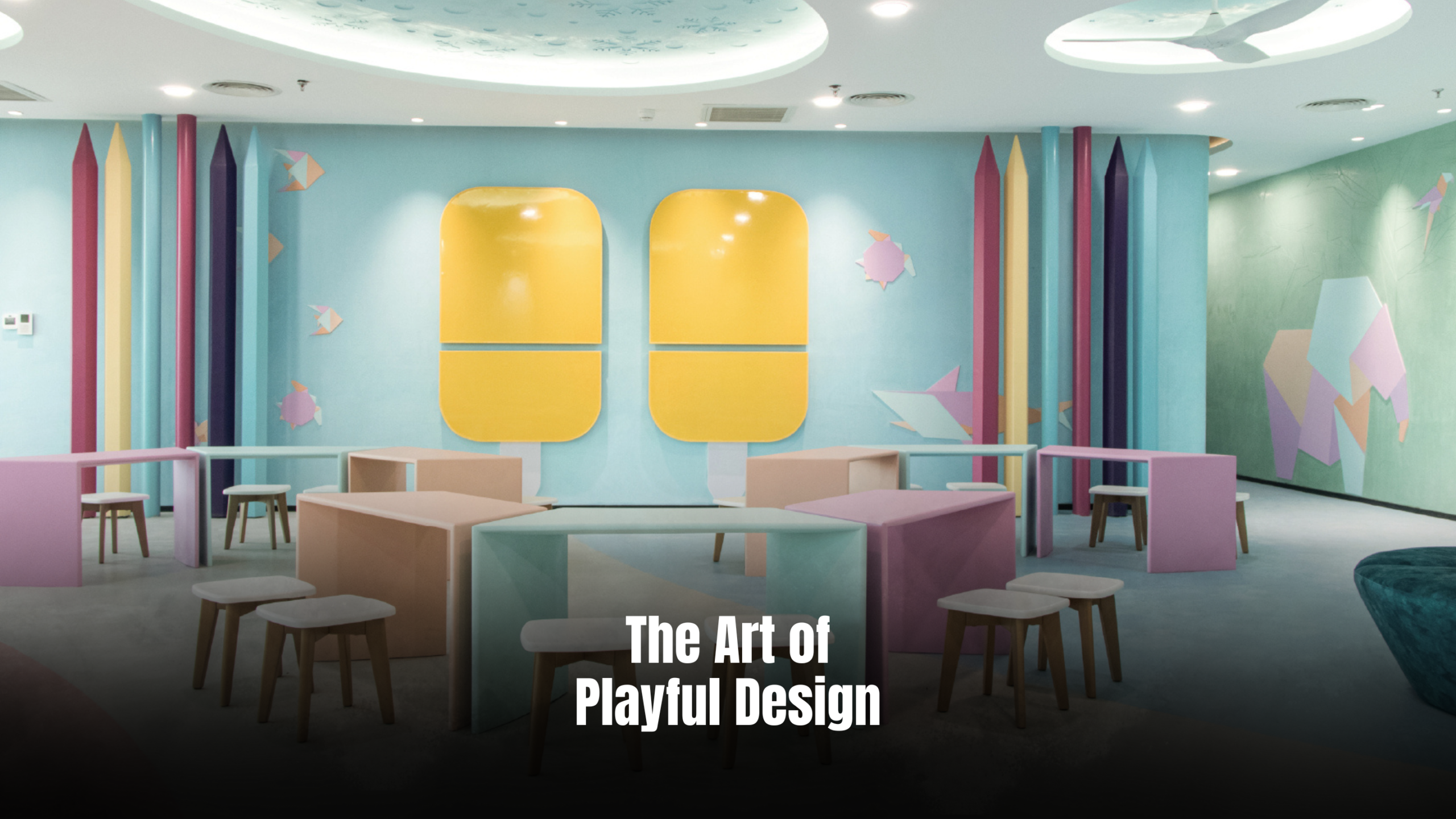
Over the past decades, Bangladesh’s interior sector has undergone a steady evolution. This progressive transformation in design trends and practices is significant across all sectors, including residential, industrial, healthcare, hospitality, retail, and commercial spaces. Rapid urbanisation, economic growth, globalisation, cultural exposure, and growing concern for sustainability are the major forces driving the interior design shift. Changing Residential Interior As urbanisation accelerates, a gradual shift in housing typology has emerged. Traditional single-storey houses and bungalows are being replaced by denser urban structures and micro-apartments, particularly in major cities such as Dhaka and Chittagong. As a result, residential units are now designed with more compact and efficient layouts. To maximise functionality, designers incorporate space-saving solutions, including wall-mounted shelving, built-in storage, and modular furniture. As plots shrink and outdoor gardens become scarce, balconies and terraces are being converted into green oases that help bring nature indoors. In terms of design styles, interior spaces now reflect greater diversity, ranging from minimalist and modern to contemporary and fusion. Collectively, these factors are redefining residential interiors as more functional, sustainable, and visually harmonious. Shift in Commercial Design In the early to mid-20th century, commercial interiors were formal and compartmentalised, with enclosed rooms and long corridors. Materials such as wood and marble were used to convey permanence and formality. By the late 20th century, the rise in corporate culture and global trends led to the emergence of open-plan layouts. Rigid walls began to be replaced by glass partitions that fostered communication and a transparent working environment. From the 2010s onward, corporate interiors started to prioritise sustainability and employee wellbeing. Concepts such as biophilic design and eco-friendly materials, including reclaimed wood and recycled components, are now being incorporated to improve air quality. The Decathlon’s Dhaka office designed by Studio One Zero, is a perfect example of a workspace that blends nature and smart design seamlessly. “What truly distinguishes the office space is its deliberate, sensitive incorporation of natural elements into an urban setting. We wanted the overall design to be meaningful and experiential” ,says Jafor Hoq, chief architect of Studio One Zero. Embracing Tech-led Designs Bangladesh’s industrial interiors—especially in RMG, tanneries, food processing, and other sectors—have drastically changed over the past 50 years. Early factories were built with tight production floors, poor lighting and ventilation, and minimal worker amenities. As industries began to rise, manufacturers moved towards vertical integration (cutting, dyeing/finishing, warehousing, R&D/sample rooms). This initiative introduced a major shift in industrial interiors; however, worker facilities remained basic. The Rana Plaza collapse in 2013 led to a surge of inspections and safety retrofits, resulting in changes to fire safety systems, marked aisles, medical rooms, and improved workstation ergonomics. New industries now increasingly integrate life-safety upgrades (fire doors, fire escape signage), clear zoning, and worker-welfare blocks (cleaner toilets, canteens, and childcare rooms). Energy-efficient LED lighting, water-saving fixtures, and other green building strategies are being adopted. According to the Bangladesh Garment Manufacturers and Exporters Association (BGMEA), the country boasts 258 LEED-certified factories, including 109 Platinum and 133 Gold-rated facilities. Institutional interiors in Bangladesh have also undergone significant transformation, shaped by both local and global design trends in architecture, technology, and educational philosophy. Earlier universities featured classic, colonial-style architecture, such as the University of Dhaka. Over time, university interiors shifted towards creating more flexible and student-centric spaces. Classrooms today are equipped with modern technologies such as multimedia projectors and smartboards. Moreover, charging stations and internet access points are being integrated into common spaces—libraries, lounges, and cafeterias. Sustainable design practices have become one of the most significant considerations over the decades. For example, BRAC University has incorporated biophilic design principles, eco-friendly materials, and energy-efficient systems. The university adopts modern colour schemes and diverse textures, along with more student-friendly amenities that promote collaboration and creativity. Hospitality and Public Spaces Blending Global Aesthetics Early hotels (during the 1960s–1980s) in Bangladesh prioritised functionality over aesthetics, often shaped by a colonial-modern architectural approach. Interior layouts were formal, with minimal ornamentation and durable finishes such as terrazzo floors and simple wooden or rattan furniture. In the 1990s–2000s, with the arrival of international brands, interiors shifted towards a contemporary design approach. Spaces became more refined, introducing upgraded amenities, grand lobbies and ballrooms, and heavy use of imported finishes and materials. A significant example of a luxury hotel is the new Sheraton Dhaka, designed by Volumezero Ltd. It features grand lobbies and banquets, lavish dining venues, and premium materials and finishes. From 2010 onwards, hotel and resort design began to blend local cultural elements with global contemporary styles. This includes the use of local craftsmanship, textiles, motifs, and artwork. Sustainable materials such as bamboo and jute, along with natural textures like wood finishes and earthy plasters, are now extensively used. Public spaces such as airports in the early period focused primarily on practicality and functionality. For example, the old Tejgaon Airport and early Hazrat Shahjalal International Airport (HSIA) featured simple layouts with limited amenities. With gradual modernisation, airport interiors began to prioritise passenger comfort. Duty-free shops, cafés, lounges, and digital flight displays have been incorporated. From the 2010s to the present, design has integrated modern efficiency with local art and aesthetics. Elements include modern amenities (digital signage, self-scanners), imported materials, and sustainable finishes. A prominent example is HSIA Terminal 3, designed by architect Rohani Baharin. The design incorporates modern minimalism and local cultural motifs, highlighting clean, light-toned finishes, large open spaces, and high vaulted ceilings with an eye-catching floral geometric motif. Natural lighting is emphasised, reducing dependence on harsh artificial lighting. Another prominent example in the transformation of public transport infrastructure is the new Cox’s Bazar Railway Station, designed by Volumezero Ltd. The transportation hub has evolved from a functional terminal into a high-end passenger experience. “We aimed to depart from the traditional notion of railway stations being merely standard

BANKS BRUISED but Still Standing Strong for Manufacturing
Bruised by inflation, foreign exchange volatility, and a surge in non-performing loans, Bangladesh’s banking sector has nonetheless held its ground — emerging as the country’s lone financial engine in a year of global and domestic disruption. With the capital market still lacklustre, banks have shouldered the full weight of financing both government and private enterprise, keeping the wheels of development turning. In 2024, the sector showed remarkable grit, navigating macroeconomic turbulence while maintaining liquidity and credit flow across industries. This resilience was not just structural — it was strategic. As investor sentiment cooled, the private sector leaned harder on banks, reaffirming their role as the backbone of Bangladesh’s economic recovery. Profits Surge as Six Banks Break Records Performance-wise, several private commercial banks surged ahead, with six institutions — BRAC Bank, Pubali Bank, Jamuna Bank, Bank Asia, Shahjalal Islami Bank, and Dhaka Bank — surpassing their entire 2024 profit figures within just the first nine months of 2025 — a testament to operational strength and depositor confidence. Combined, these banks earned Tk 7,411 crore from investments, mostly in treasury bonds — a roughly 70 percent increase from the previous year. Moreover, BRAC Bank and City Bank crossed the Tk 1,000 crore profit mark in 2024 for the first time in the country’s banking history, while others recorded their highest-ever earnings. Sustainability Ratings Reflect Governance Strength Recognizing this momentum, Bangladesh Bank named 10 banks and two non-bank financial institutions (NBFIs) as sustainable performers in its Sustainability Rating 2024. The banks include BRAC Bank, City Bank, Dutch-Bangla Bank, Eastern Bank, Jamuna Bank, Mutual Trust Bank, NCC Bank, Prime Bank, Pubali Bank, and Shahjalal Islami Bank. Among NBFIs, IDLC Finance and IPDC Finance retained their positions. These 12 institutions were evaluated across five key indicators: the sustainable finance index, CSR activities, green project financing, the core banking sustainability index, and banking services coverage. Banks with strong risk management, healthy capital adequacy, and low non-performing loans scored higher, while metrics like Tier-1 capital to risk-weighted assets, CMSME loan share, large-loan exposure, and agent banking reach added depth to the rankings. The sector also saw moderate asset growth, with total assets rising 9.65% in 2024 to Tk 26,29,775 crore — reversing declines from 2021 and 2022, according to the central bank’s Financial Stability Report. Liquidity remained sound, with the Advance-to-Deposit Ratio at 81.55% — well below the 87% ceiling — while strong deposit growth continued to fuel rising loan demand. In a year defined by uncertainty, Bangladesh’s banking sector didn’t just endure — it evolved. With sustainability, profitability, and resilience converging, it has reaffirmed its role as the country’s principal engine of financial stability and growth. Governance: The Line Between Success and Struggle “Some banks in the banking sector have performed very well, while others have done quite poorly,” said Syed Mahbubur Rahman, CEO and Managing Director of Mutual Trust Bank. “The main factor behind weak performance in some banks is governance — banks with better governance have performed better. Those where the Board of Directors interfered in day-to-day operations have not done well,” he said. On the other hand, banks that followed proper corporate governance practices have consistently performed well, and their non-performing loans have remained within limits, he added. The sluggish pace of NPL recovery has also contributed to the accumulation of NPLs. Additionally, the Russia-Ukraine war, global tensions, local currency depreciation, and other domestic economic challenges are straining business operations and reducing borrowers’ repayment capacity — further accelerating the banking sector’s NPLs in Bangladesh, according to Bangladesh Bank’s Financial Stability Report. Even though some banks have underperformed, the banking sector has made a major contribution to the economy — especially as the capital market remains small and its role in capital formation negligible, he said. The bond market is also nearly non-existent. Since independence, industrialisation, employment, and per capita income growth have been supported 80–90 percent by the banking sector, directly and indirectly, he clarified. Banks have facilitated letters of credit for trade, enabled remittance inflows, and provided refinancing during Covid-19. From agricultural loans to start-up financing, the sector has stepped in whenever funding was needed. Most CSR spending in the country also comes from banks. “The banking sector is definitely playing a significant role in overall economic activity,” he said. “The banks are contributing to sustainable finance too,” added Rahman, also a former president of the Association of Bankers, Bangladesh (ABB). Some banks are doing extraordinarily well in increasing their sustainable and green financing. Toufic Ahmad Choudhury, a former Director General (DG) of the Bangladesh Institute of Bank Management (BIBM), said that although there were high NPLs in the banking sector “under the carpet,” which were not previously disclosed, the poor health of some banks is now clear. “This is a positive sign that the problem of some banks is now diagnosed.” Most importantly, the central bank is focusing on the banking sector to ensure good governance in every bank. “It is another good sign that good governance is now being ensured across the sector,” he said. Regarding the merger of five banks, he said that if new leadership can boost public confidence and the government does not interfere unnecessarily, only then can the banks be revived. Depositor Confidence and the Road to Reform Banking sector deposits registered an average annual growth rate of 7.69 percent by the end of 2024, compared to 10.15 percent the year prior, according to Bangladesh Bank data. Deposit growth slowed mainly due to high inflation and a confidence crisis in several banks. Inflation in Bangladesh has hovered above 9 percent since May 2023, and stood at 8.36 percent in September 2025. Among asset managers who invest in bank shares and analyse their performance most closely is Mir Ariful Islam, CEO and Managing Director of Sandhani Asset Management. He said some banks saw significantly

IAB Build Expo, ArchSummit See Vibrant Participation of Architects on Day 2
Day two of the global events of the Institute of Architects Bangladesh (IAB) — the IAB Build Expo 2025 and Bangladesh ArchSummit 2025 — saw vibrant participation from architects, designers, academics, and industry leaders from home and abroad. While the ArchSummit hosted curated seminars and panel discussions for registered participants, addressing key issues within the contemporary architectural landscape, the IAB Build Expo — the country’s largest exhibition of building materials and construction innovations — remained open to all visitors. Held at the Bangladesh-China Friendship Conference Centre (BCFCC) in the capital alongside the expo, IAB launched Bangladesh ArchSummit 2025 under the theme “Crafting Space, Shaping Habitat.” The three-day event, running from December 11 to 13, brought together global and local experts from various fields to engage in dialogue on the future of Asia’s built environment. The ground floor of BCFCC hosted a lively exhibition where leading brands showcased their latest products and innovations, allowing visitors to explore advancements that support stronger, safer, and more sustainable construction. The second floor featured a dedicated ArchSummit seminar hall, with adjacent corridors displaying award-winning architectural projects from Bangladesh, creating a well-curated and dynamic event overall. Architect Rashed Chowdhury, a practising architect and founder of Dehsar Works (DW), opened the second day’s roundtable discussion on the “Poetics of Crafting Spaces” with a fundamental question: “Where is here?” “Our geographical and socio-political context inevitably shapes our responsibilities as designers — influencing how we think about space-making and the materials we choose,” he said. By posing this question, he invited participants to examine how the sense of belonging is defined, whether “here” is determined by political boundaries or by the deeper, more enduring contours of culture and identity. Speaking on materiality, award-winning green architect Rizvi Hassan remarked that it is much like cooking — and that, like any good chef, architects should feel free to use all the ingredients available to them. Shamsul Wares, a trailblazer of contemporary Bangladeshi architecture and an eminent art critic, reflected on how modern architecture’s obsession with efficiency has fallen short, arguing that true value lies in quality and the poetic dimension of space. “Architecture is about designing experience,” he said, highlighting light as both phenomenon and material. Wares urged architects to learn from modernity’s mistakes while considering the body, soul, and society in their work. “All art wants to be poetry. Poetry wants to be music. And music ultimately wants to be spirituality,” he concluded. The event’s guest of honour, Architect Fawad Suhail Abbasi, president of the Institute of Architects, Pakistan (IAP), reflected on how the day’s discussion prompted him to reassess his own practice. With his firm long focusing on brick and sustainable architectural practice, he realised that one cannot overlook the foundational lessons inherited from peers and mentors. He emphasised the importance of finding the mentor within oneself, following that inner direction, and discovering one’s own architectural path, much like the evolving journey of Bangladeshi architects today. After a break for prayer and lunch, a second panel discussion on design, dialogue, and direction in shaping habitat brought together local architects and academics. The discussion highlighted how governments worldwide often overlook the realities of architectural practice — advising against costly materials without recognising that every material has its place when used appropriately. One panellist noted that while academic curricula aligned with the SDGs have expanded, they fail to create responsible citizens who can truly improve the city and country. The day concluded with the IAB Induction Ceremony 2025, welcoming its new fellows and members. Chief Adviser of the Government of Bangladesh, Muhammad Yunus, conveyed his heartfelt congratulations virtually, noting that one of the year’s first significant milestones was the unification of the Architects’ Association of South Asia. With representatives from seven countries coming together, he emphasised that this collaboration would strengthen knowledge exchange, professional cooperation, and a sense of fraternity among architects across the region — particularly as many of their challenges remain shared. Written by Fariha Hossain

IAB Build Expo, ArchSummit See Vibrant Participation of Architects on Day 2
Day two of the global events of the Institute of Architects Bangladesh (IAB) — the IAB Build Expo 2025 and Bangladesh ArchSummit 2025 — saw vibrant participation from architects, designers, academics, and industry leaders from home and abroad. While the ArchSummit hosted curated seminars and panel discussions for registered participants, addressing key issues within the contemporary architectural landscape, the IAB Build Expo — the country’s largest exhibition of building materials and construction innovations — remained open to all visitors. Held at the Bangladesh-China Friendship Conference Centre (BCFCC) in the capital alongside the expo, IAB launched Bangladesh ArchSummit 2025 under the theme “Crafting Space, Shaping Habitat.” The three-day event, running from December 11 to 13, brought together global and local experts from various fields to engage in dialogue on the future of Asia’s built environment. The ground floor of BCFCC hosted a lively exhibition where leading brands showcased their latest products and innovations, allowing visitors to explore advancements that support stronger, safer, and more sustainable construction. The second floor featured a dedicated ArchSummit seminar hall, with adjacent corridors displaying award-winning architectural projects from Bangladesh, creating a well-curated and dynamic event overall. Architect Rashed Chowdhury, a practising architect and founder of Dehsar Works (DW), opened the second day’s roundtable discussion on the “Poetics of Crafting Spaces” with a fundamental question: “Where is here?” “Our geographical and socio-political context inevitably shapes our responsibilities as designers — influencing how we think about space-making and the materials we choose,” he said. By posing this question, he invited participants to examine how the sense of belonging is defined, whether “here” is determined by political boundaries or by the deeper, more enduring contours of culture and identity. Speaking on materiality, award-winning green architect Rizvi Hassan remarked that it is much like cooking — and that, like any good chef, architects should feel free to use all the ingredients available to them. Shamsul Wares, a trailblazer of contemporary Bangladeshi architecture and an eminent art critic, reflected on how modern architecture’s obsession with efficiency has fallen short, arguing that true value lies in quality and the poetic dimension of space. “Architecture is about designing experience,” he said, highlighting light as both phenomenon and material. Wares urged architects to learn from modernity’s mistakes while considering the body, soul, and society in their work. “All art wants to be poetry. Poetry wants to be music. And music ultimately wants to be spirituality,” he concluded. The event’s guest of honour, Architect Fawad Suhail Abbasi, president of the Institute of Architects, Pakistan (IAP), reflected on how the day’s discussion prompted him to reassess his own practice. With his firm long focusing on brick and sustainable architectural practice, he realised that one cannot overlook the foundational lessons inherited from peers and mentors. He emphasised the importance of finding the mentor within oneself, following that inner direction, and discovering one’s own architectural path, much like the evolving journey of Bangladeshi architects today. After a break for prayer and lunch, a second panel discussion on design, dialogue, and direction in shaping habitat brought together local architects and academics. The discussion highlighted how governments worldwide often overlook the realities of architectural practice — advising against costly materials without recognising that every material has its place when used appropriately. One panellist noted that while academic curricula aligned with the SDGs have expanded, they fail to create responsible citizens who can truly improve the city and country. The day concluded with the IAB Induction Ceremony 2025, welcoming its new fellows and members. Chief Adviser of the Government of Bangladesh, Muhammad Yunus, conveyed his heartfelt congratulations virtually, noting that one of the year’s first significant milestones was the unification of the Architects’ Association of South Asia. With representatives from seven countries coming together, he emphasised that this collaboration would strengthen knowledge exchange, professional cooperation, and a sense of fraternity among architects across the region — particularly as many of their challenges remain shared. Written by Fariha Hossain