

A City’s Story In Stitches and Strokes
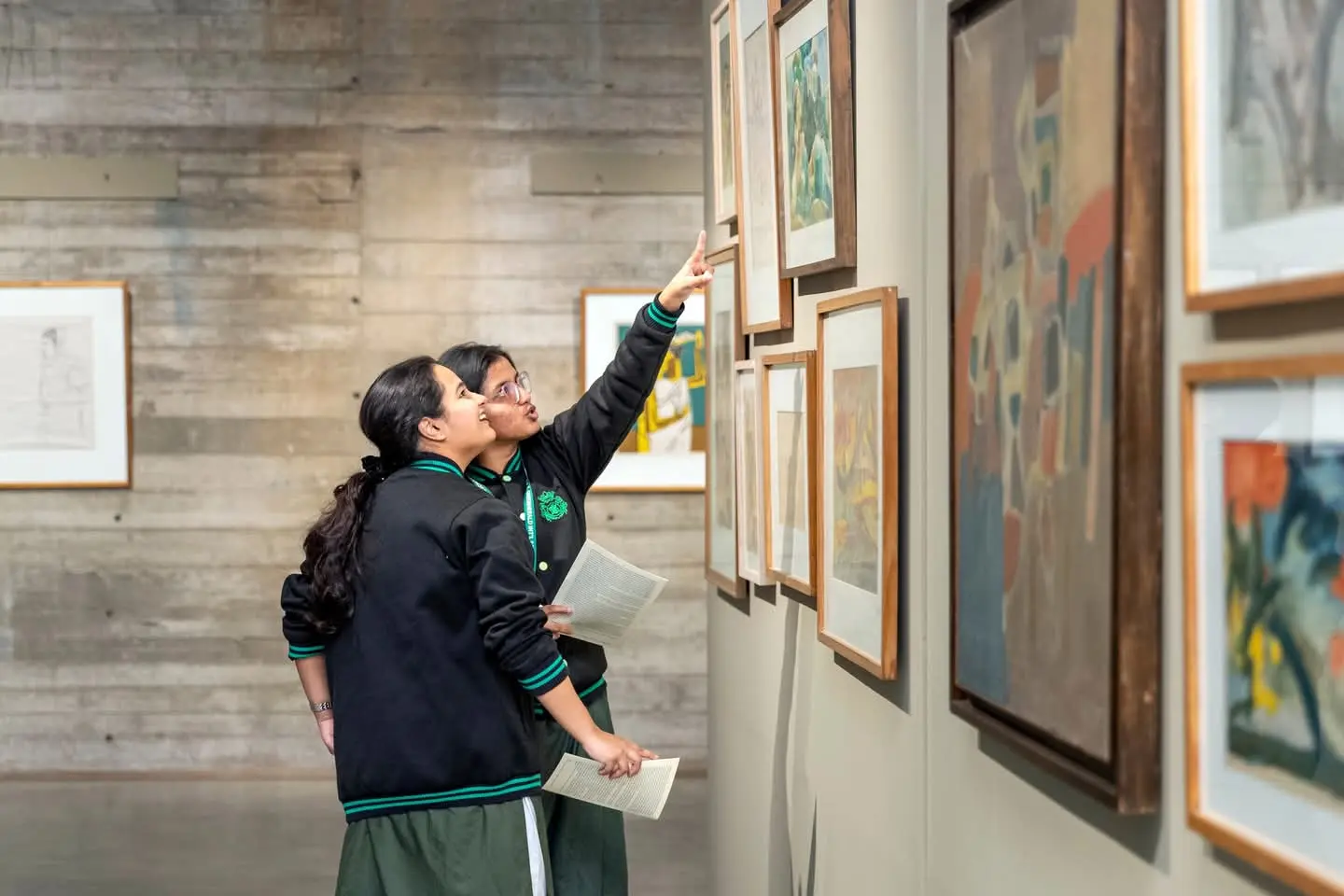
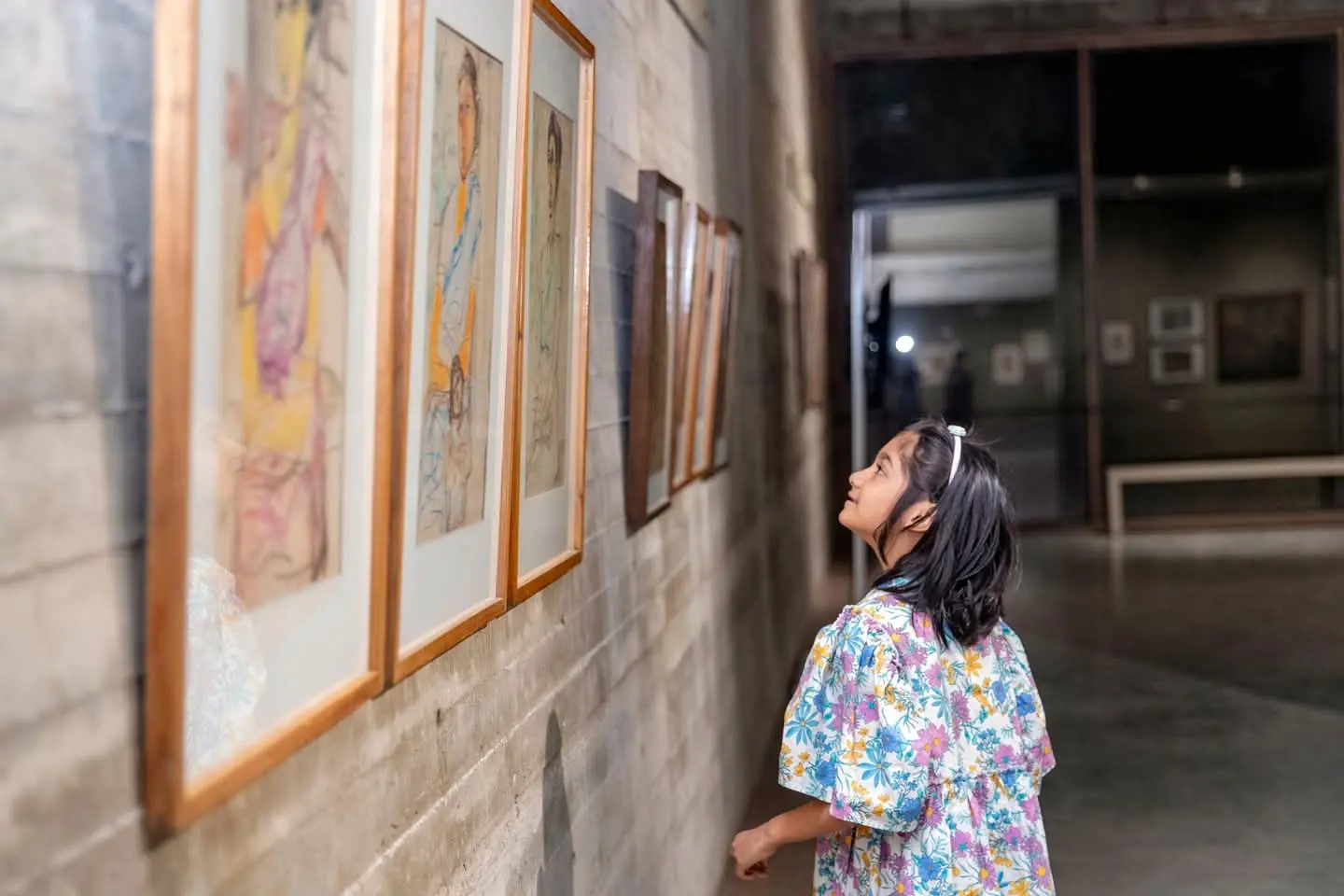
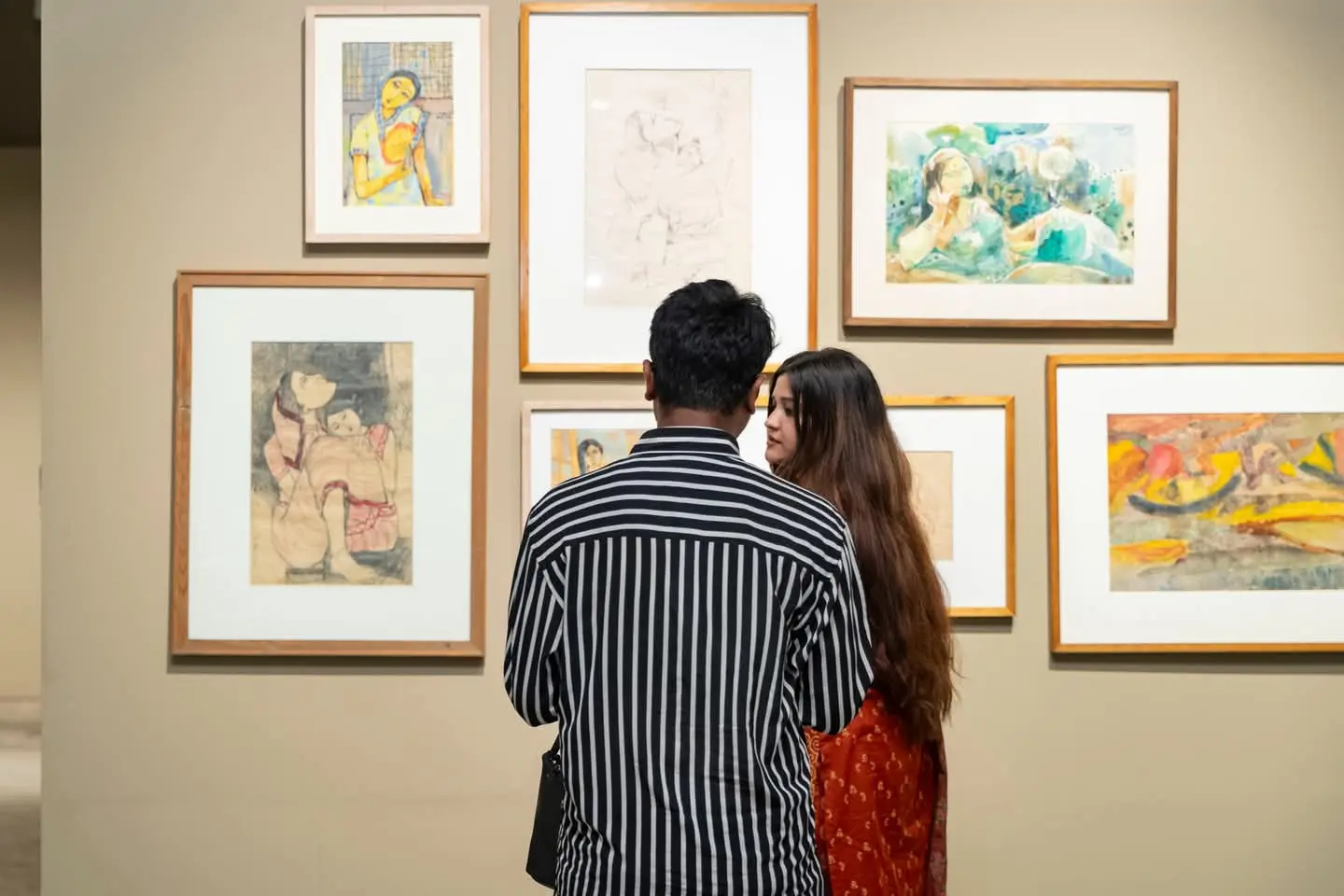
Dhaka’s rapid urbanization is impossible to ignore. This city of relentless energy and transformation is a place where tradition and modernity collide amidst its bustling streets and ever-changing skyline. As the economic heart of Bangladesh, it draws thousands seeking better opportunities. But this comes at a cost: overcrowding, strained resources, and a growing disconnect between the old and the new. Against this backdrop, ShohorNama Dhaka Episode II sought to explore the city’s complexities through art. Launched in early 2024, the project brought together visual artists, architects, artisans, and students from the University of Dhaka’s Faculty of Fine Art to create a tapestry of urban narratives. And the exhibition of this project took place from February 15 to 25 at the level 4 under construction space of the capital’s Bengal Shilpalay. The exhibition was inaugurated by H.E. Marie Masdupuy, Ambassador of France to Bangladesh, on February 15, 2025. Titled after the project name, the multidisciplinary exhibition wove together the threads of urban life, resilience, and creativity. Presented by the Bengal Arts Programme in collaboration with the Britto Arts Trust, ShohorNama II was a visual love letter to Dhaka, its people, and their stories. From large appliqué tents to wood-cut prints, installations, and performance art, it was a celebration of Dhaka’s artistic topography. At its core, ShohorNama was about storytelling. One of the standout features is the Pakghor Project, a community kitchen born out of necessity during the devastating floods of 2024 in the Khulna region. Pakghor provided warm meals to 500 villagers for a week. But it became more than just a kitchen—it became a space for shared stories, resilience, and hope. The Dorjikhana Project takes a different approach, focusing on textiles and their cultural significance. Through appliqué and embroidery, artists explore the connection between traditional practices and the modern garment industry. The project also draws inspiration from Bangladesh’s fading circus traditions. Resulting in a stunning collection of textile art that speaks to both the past and the present. Another striking element of ShohorNama is its use of tents. Historically, tents have symbolized temporary shelter for nomadic communities, and in this exhibition, they represent the fluidity of migration—whether due to natural disasters, economic hardship, or political unrest. The Big Tent installation captured this impermanence, reflecting the challenges faced by marginalized communities. The exhibition also highlighted the collaborative spirit of the project. Workshops with the University of Dhaka’s Department of Printmaking and Department of Craft allowed students to contribute to large-scale works, such as woodcut prints and appliqué pieces. These workshops not only honed technical skills but also fostered a sense of shared purpose, blending individual creativity into a cohesive vision. The exhibition was a feast for the senses! As Dhaka continues to evolve, exhibitions like “ShohorNama Dhaka Episode II” remind us of the importance of preserving our stories and traditions. Through art, we can find common ground, build resilience, and imagine a better future. Written by: Shahbaz Nahian Photo: Bengal Art Foundation | Courtesy
‘Kromosho’: Beyond ‘Belonging’
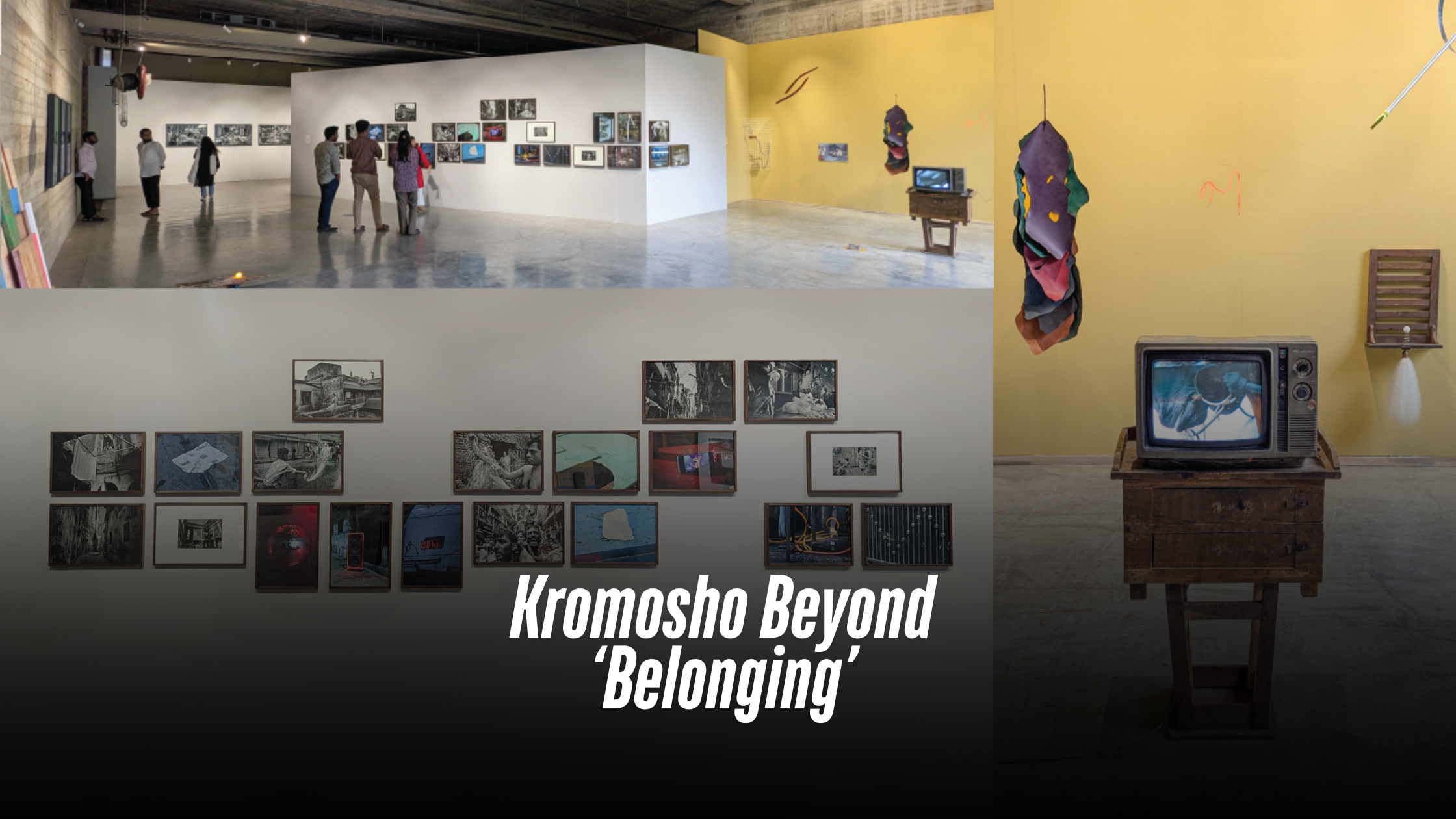
In the middle of the 2000s, a young Munem Wasif started sifting through Old Dhaka’s veins with his aged friend Zenit—a mechanical artifact from the Soviet era. His 2012 photography masterwork “Belonging,” which would revolutionize visual storytelling in Bangladesh’s art scene, was the culmination of a journey that began with this. Similar to the constantly flowing dark waters of Buriganga, which has seen Dhaka undergo changes, Wasif’s own artistic endeavors have veered through several stages throughout time. His work has continuously pushed audiences to look past the obvious, from “Seeds Shall Set Us Free” to “Collapse.” But despite all of these adventures, one thing stayed the same: his strong, unwavering bond with Old Dhaka. Munem Wasif is doing a solo show in Dhaka after nearly 16 years. Titled “Kromosho,” the show is currently ongoing at the capital’s Bengal Shilpalay. Tanzim Wahab served as the exhibition’s curatorial advisor, Iftekhar Hassan as a project assistant, and Dehsar Works as the architectural designer. It is open to everyone and will end on May 31, 2025. “I felt like something was lacking as soon as ‘Belonging’ was released. I felt that I just got the surface of the people and their celebrations; I couldn’t reach the core of their daily existence, the ‘life’ of Puran Dhaka. That’s when I thought of creating “Kheya”l. This exhibition is like a testament to my last two decades of transformation,” remarked Wasif when asked about “Kromosho”. The opening at Bengal Shilpalay was buzzing with energy as art lovers gathered to witness what promises to be one of the most memorable exhibitions in recent times. The exhibition unfolds like a carefully composed symphony in three movements. Starting from Wasif’s ethereal black-and-white photographs from the ‘Belonging’ era, now in dialogue with new color works from ‘Stereo.’ This juxtaposition creates a fascinating tension between past and present, memory and reality. At ‘Kheyal,’ the filmic meditation about what pulses through Old Dhaka’s veins. At ‘Shamanno’ and ‘Paper Negative,’ the installations blend documentation with imagination, challenging our perceptions of what is real and what is remembered. From a critical viewpoint, Old Dhaka represents a ticking time bomb—overcrowded and decaying, it’s an ugly relic of our greed and collective neglect. But Wasif’s work reveals depths hidden in plain sight: the “life” amongst all these. Beyond the obvious chaos lies a world of hidden poetry. This is what ‘Kromosho’ captures so brilliantly—not just images of a place, but its very essence. The exhibition becomes a mirror, asking questions about what we preserve and what we discard in our relentless march toward modernity. In an age of rapid urbanization and cultural amnesia, Wasif’s work serves as both archive and elegy, reminding us of some stories that cannot be captured through cameras or words. To experience its truest essence, you have to be there in flesh and psyche. As visitors move through the gallery, they’re invited not just to see, but perhaps to introspect. In this sense, ‘Kromosho’ transcends being merely an art exhibition; it becomes a conversation, a homecoming, and, most importantly, a call to witness.
The Ceramic Expo bustling with a large number of people on the 2nd day
Dhaka (28 November 2025): The BCMEA Ceramic Expo Bangladesh 2025 has gathered in the capital. On the second day of this four-day vibrant event, the International Convention City Bashundhara was bustling with local and foreign visitors, exhibitors, businessmen, engineers, architects, and representatives from various companies. The arriving businessmen held meetings with B2B, B2C, and representatives from different companies. In the various pavilions and stalls, they demonstrated their products and ensured spot orders. Senior officials of various companies stated that due to the holiday, there was a noticeable crowd of visitors from the morning, and many placed orders for products. Artist Shahin Mahmud Reza, participating in the fair for the first time, expressed satisfaction with the organization of the fair. As every year, dealer Md. Rahim Uddin has come to the expo from Chittagong. He mentioned that he has seen many new designs at this year’s expo. Following this, a seminar was held in a very large hall where relevant stakeholders participated. Mohammad Khaled Hasan, Deputy General Manager of Sheltech Ceramics Limited, the titled sponsor of the expo, mentioned that the ceramic industry of Bangladesh is a glorious sector. Earlier, we used to import ceramic products at about 80 percent, but nowadays approximately 15 to 20 percent we import; we export it and gradually extend its market. One of the visiting engineers stated that this sector has achieved an average growth of over 20 percent, setting records. Despite the gas crisis, the uninterrupted supply of electricity, and various domestic and international crises, this industry remains an emerging sector. Unlike the ready-made garment, jute, and textile sectors, which receive policy support, this sector has reached a respectable position solely due to the courageous initiatives of entrepreneurs. One could say that the ceramic industry has brought about a silent revolution in the last 10 years. Through rapid expansion in the local market, stable presence in foreign markets, and massive job creation, this industry has demonstrated that with industry-friendly policies, uninterrupted gas supply, and proper branding, it will be capable of exporting billions of dollars in the future solely in Asia. Today, there are about 65–70 ceramic factories and brands in the country producing various products including tableware, tiles, sanitary ware, and electric insulators. As a result, instead of being import-dependent like before, Bangladesh now fulfils a large part of its own demand and sends excess production to the global market; this is not a small change but rather a picture of slow yet steady success in industrial policy. The domestic market for Bangladeshi ceramic products is currently considered to be worth around 70 to 90 billion BDT, with annual growth hovering around 20 percent for a long time. Once where 80 percent of the market was occupied by foreign brands, today local companies meet nearly 85 percent of market demand; in tableware, local participation exceeds 90 percent. Some visitors stated rapid urbanisation, development in the housing sector, rising incomes of the middle class, and changes in lifestyle perspectives have contributed to this achievement. The use of tiles and sanitary products in new flats, shopping malls, hotels, and restaurants is now not just a necessity but also a symbol of prestige and taste. In this way, the ceramic industry has become directly linked to the dreams of the urban middle class, as if the contribution of this industry is silently signing on the walls and floors of every new flat. Although the export earnings of the ceramic industry are still seen by many as ‘less compared to the size of investment’, in reality, it has passed an important initial phase. In the fiscal year 2022–23, the export earnings from ceramic products reached around 43–55 million USD (equivalent to 600–650 crore BDT), which is the highest in four years. The export growth in this sector from 2021–22 to 2022–23 was over 21 percent, although in the fiscal year 2023–24, it has slightly decreased by nearly two percent. Tableware occupies the largest share in the export basket; recently, tiles have also been added. Bangladeshi ceramic products now go to over 50 countries; United States, Canada, Germany, France, Italy, Japan, and various countries in the Middle East are major destinations. In such a reality, despite slight fluctuations, it is clear that Bangladesh is establishing itself as a reliable source of ‘low-cost but quality’ ceramic products in the global market. This expo carries a very high potential for the Bangladeshi ceramic industry and also plays a vital role in the economy. Written by: Mizanur Rahman Jewel