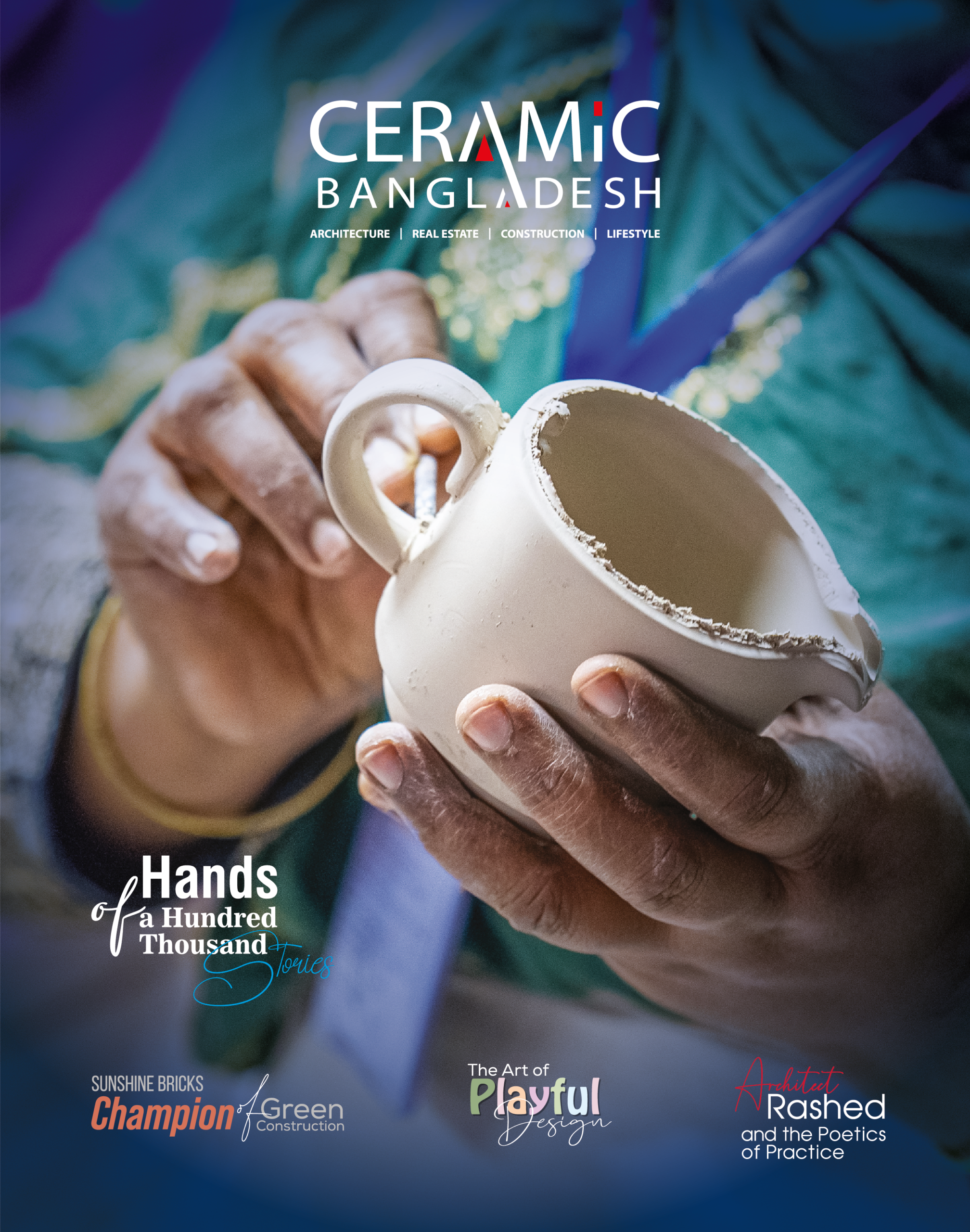





Ceramic Bangladesh Magazine

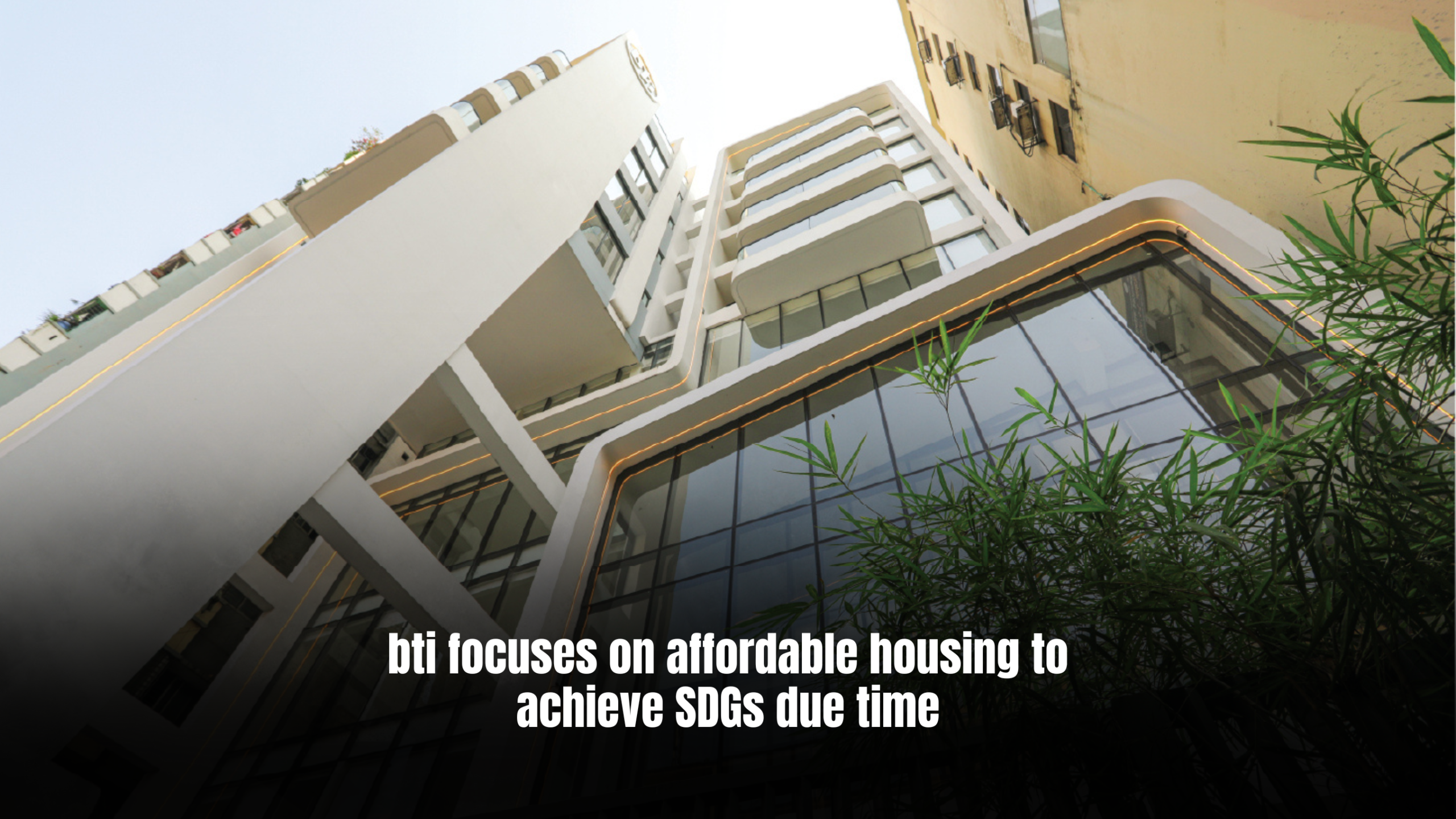
bti focuses on affordable housing to achieve SDGs due time

The Building Technology & Ideas Ltd (bti), a real estate developing company in Bangladesh, started its journey in 1984. Over the years, the company has become a pioneer in the construction of high-rise and luxury buildings in the country. The company has already constructed around 450 buildings so far, and is working on 72 projects at the moment, and additional 100 projects are in pipelines. It has around 8,000 clients.     “Thanks to maintaining customers’ commitment, accountability, delivering product timely, and ensuring quality products, the bti has made its today’s place in the country’s real estate sector,” Faizur Rahman Khan, managing director of the bti, shared his views with the Ceramic Bangladesh Magazine in an exclusive interview.   He said the company’s motto is customer satisfaction. However, the bti started its journey with three projects in 1984. The company had six projects in 1990.   How did bti expand its business? In 1992, it started building costlier luxury apartments in Gulshan at first, and in 1993 in Baridhara. It was a milestone for the real estate sector. Basically, the housing industry continued to expand after 2000. But in the 2007-08 year, the industry began to suffer owing to political unrest, Faizur Rahman informed.     He stated that innovation is what sets the company apart from others. “We always try to bring innovation in every project. Customers are overwhelmed by our diversity. That is why they feel comfortable with the bti. Now it is a leader in aesthetic architecture.”   In the 1990s, real estate companies faced a difficulty to buy land for housing as individual owners did not want to give up their lands easily. Besides, there were also complications regarding the registration of lands and flats.   The bti took the initiative to build houses by sharing apartments with the landowners and approached the government for legislation. Later, only land registration was possible at the time. As a result, if you bought a flat, you would not be the owner of the land. “We started linking the flat ownership with the land ownership,” he said.     He added that the Real Estate and Housing Association of Bangladesh (REHAB) has 500- 600 registered members. Of this, literally, there are 5-6 companies who are very active in the sector, and 10-12 companies who did one-two projects. The rest of the companies are ‘name only company’.   “We cordially maintain commitment to customer, and hand over projects timely which are very crucial for the business. Even, we try to hand over projects before several months ago from agreement time for last few years. We don’t compromise in design and construction so we follow all codes, and rules of RAJUK and other organizations. We think so that clients are not faced any troubles in future,” the managing director said.   Basically, bti serves three category of apartments – luxury apartment, classic, and affordable. The luxury apartments are generally built in Gulshan, Banana, Baridhara, and Dhanmondi areas. Classic apartments high demand to customers. The highest number of this apartments is in Bashundhara region where 40 mid-level projects are undergoing, and others are at Lalmatia, Mogbazar, and Segunbagicha areas.   “Finally, affordable apartments—recently we started this as IMF and World Bank encourage it to ensure SDGs,” Rahman said. Generally, its apartment size is 500-600 squre feet. Its price is less than Tk 50 lakh. Customers can buy the apartment taking 70% of loan. So, bank loan should be fixed at reasonable interest rate for a long time.     Ensuring safe and affordable housing for all Faizur Rahman highlighted that now the bti is focusing on affordable housing to achieve Sustainable Development Goal (SDGs) right time. In this regard, they discuss with a Japanese company to ensure Tk 200 crore investment in the industry.   The affordable housing is addressed within the United Nation (UN)’s SDG- 11, which aims to make cities and human settlements inclusive, safe, resilient, and sustainable. Specifically, SDG target 11.1 by 2030 calls to ‘ensure access for all to ensure adequate, safe and affordable housing and basic services, and upgrade slums’.     “To achieve the goal, all government’s officials should be cordial. There is needed a bribe, corruption, and hassles free business environment in the country,” he also commented.   Real estate industry facing multiple challenges Faizur Rahman highlighted that the industry is facing multiple challenges including Detailed Area Plan (DAP). The DAP should be practical. There is a big gap between academia and industry. To make it successful, there is needed consultation with the realtors. The Floor Area Ratio (FAR) should not reduce such level which will create a problem to give space for the people as it is a density population country.   Investment in projects has become slow as the government halted many mega projects. Besides, there is political instability right now. So, the demand for apartments also decline.   Potential of ceramic products in housing industry Faizur Rahman said there is huge potential of ceramic products particularly tiles in real estate industry. The demand for the items rapidly increased in both local and international markets. The products contribute to bring attractive, and save time in construction of buildings.   Written By Rafikul Islam
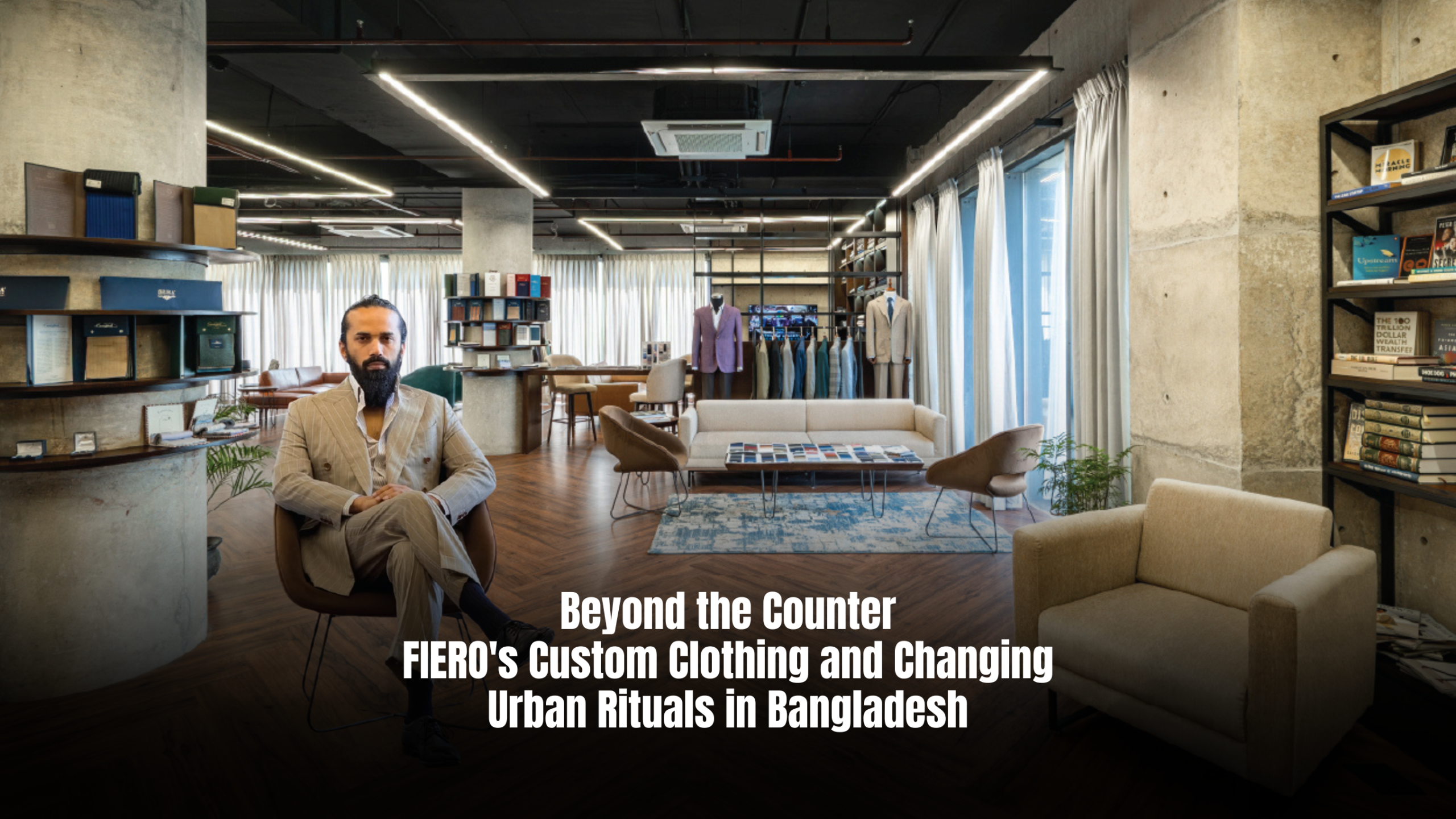
FIERO’s Custom Clothing and Changing Urban Rituals in Bangladesh

What began as a modest idea in mid-2017—to provide home-service tailoring for people constrained by time—has, within eight and a half years, evolved into FIERO, a leading bespoke and made-to-measure clothing practice in Bangladesh.     Rooted in Dhaka yet informed by global traditions of craftsmanship, FIERO reflects a quiet shift in how custom clothing is conceived, experienced, and delivered in the local context.   To understand this shift, it is necessary to look back at the tailoring culture that shaped earlier generations.   For decades, the ritual was familiar: men accompanying their fathers or uncles to fabric stores overflowing with rolls of cloth in every imaginable colour and quality—good, bad, and everything in between. One would select a fabric, have it cut, leave measurements behind, and depart.   The process was largely transactional, often hurried, and rarely comfortable. Instead of functioning like a conventional store, the tailoring journey is reimagined as something closer to being hosted in a living room.     Guests are encouraged to slow down, sit comfortably with a cup of tea, and engage in unhurried conversation about what they wish to make.   Founder and Managing Partner Syed Easir Alam (Yasir) explains that this sense of hospitality is intentional.   “We welcome our guests with tea when they enter. Then we sit together and discuss fabric options. Our store is not a display centre of fabrics,” he says.   With globalisation and changing lifestyles, bespoke clothing gradually became repositioned as a more exclusive, almost privileged service.   Yet demand persisted across social strata—from lower-middle to upper segments—particularly among professionals, corporate executives, and business leaders for whom clothing remains closely tied to identity and confidence.   FIERO emerged at this intersection of inherited practice and contemporary expectation. While a few brands in Bangladesh now offer bespoke services, FIERO’s approach centres less on retail and more on process.   Rather than racks and shelves, fabrics are curated through carefully organised swatch books. Sourced from different parts of the world, these materials offer a range of quality and variety rarely available locally.   Today, the collection includes more than 10,000 fabric options. Displaying such a volume physically would be impractical, but through swatches, clients can compare textures, weights, and finishes—many of them high-end, super-fine fabrics not commonly found in Bangladesh.     This working method directly influenced the spatial decisions behind FIERO’s flagship space on Gulshan Avenue.   The previous location, less than half the size, was inadequate for hosting multiple guests comfortably. The new space was conceived not merely as a store, but as a place where time could be spent without pressure.   Guests may book appointments or walk in, settle into the space, and look out over the city. The intention is clear: no rushing, no crowding—only a calm environment that feels closer to home than to retail.   Once fabrics are selected, measurements are taken by an in-house tailor to maintain consistency and quality. Design decisions follow, guided by a comprehensive catalogue that brings together options across categories—from trousers and jackets to full suits.   Rather than prescribing styles, the process encourages clients to participate actively, choosing details that align with their needs and lifestyles.   The interior design reinforces this approach. “We needed a place that felt like home—spacious and breathable,” says Alam.   The layout prioritises openness, uninterrupted sightlines, and abundant daylight. Visual connections between inside and outside are maintained, allowing the city to remain a constant backdrop.     A small book corner acknowledges FIERO’s largely educated and corporate clientele, for whom reading and reflection are familiar parts of daily life.   In an era when people are increasingly particular—even about sleepwear—custom clothing demands attention to detail and emotional comfort. FIERO recognises that good decisions are made in good moods, and that environment plays a crucial role in the making process.   Designed by Kaleek Consultants, the interior balances functionality with warmth: a continuous open space, multiple lounge-like seating areas, fitting rooms, tailoring zones, and work areas, all unified by light, views, and calm.   FIERO’s story is not only about clothing. It is about rethinking bespoke tailoring in Bangladesh as a process shaped by time, comfort, and thoughtful design as much as by craftsmanship—offering a grounded example of what “Made in Bangladesh” can signify today.   Written By Sadia Tarannum

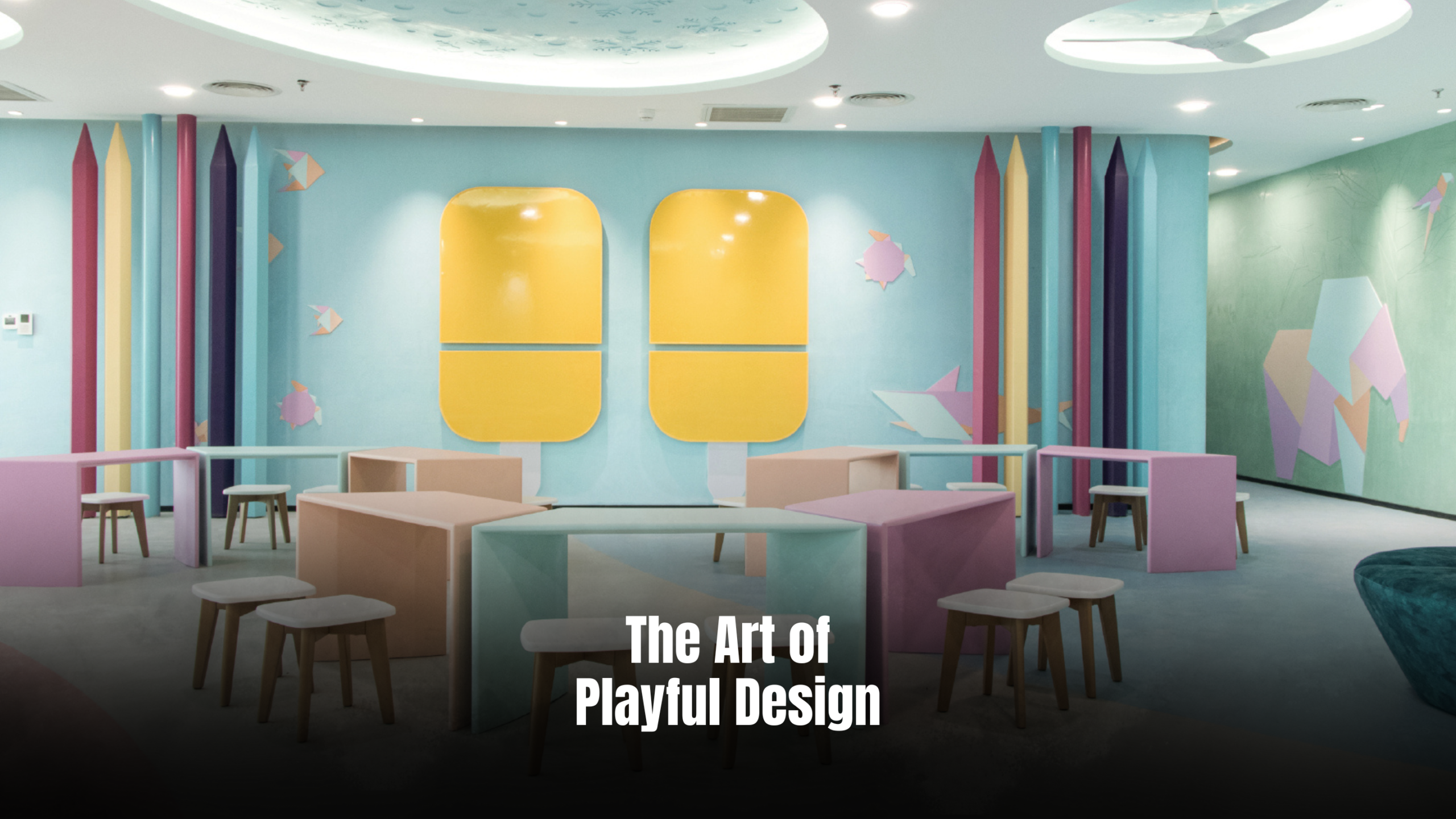
The Art of Playful Design A Look Inside BRAC University’s Child-Centric Sanctuary

A new chapter in early childhood care begins with the opening of the second BRAC University Daycare Centre, located in the vibrant Badda Campus of BRAC University, Dhaka. This thoughtfully designed facility serves as a sanctuary for children up to eight years old, offering a nurturing environment that prioritizes safety and development.     Designed by Dwm4 Intrends, with an enchanting lighting scheme from Miro Lighting, the daycare centre is a dynamic and imaginative world where play, learning, and exploration intertwine, creating a joyful space for the children.   A Palette of Softness and Imagination   The daycare’s core design philosophy is built on a foundation of softness and playfulness. The space is defined by a serene Scandinavian colour palette of pastel shades—soft pinks, blues, and greens—that create a calming and inviting atmosphere. This selection of soft hues was a conscious decision to create a tranquil environment where children feel secure and at ease.   Central to the design, this concept is also considered in all edges and volumes and is evident in the custom-made modular furniture, which features rounded edges to prevent bruises and generously cushioned surfaces for comfort.   Thoughtful Zoning for a Comfortable Experience   The daycare’s layout is thoughtfully divided into two primary zones: public and private. The public zone serves as a welcoming entry point for parents, where mothers can drop off their kids, change their clothes, or feed them. This area features an ergonomically designed washroom with sinks and toilets at child-friendly heights.     The private zone is the heart of the daycare. It features a common activity area for all kids—a dynamic space for interaction, play, and learning. Adjacent to this is a sound-insulated nap room, a peaceful sanctuary exclusively for toddlers. This segregated room ensures a quiet and restful environment for sleep, with secure storage above the beds for personal belongings. This approach prioritises the comfort of children while ensuring that parents experience a sense of security and peace of mind.   Materials in Design That Engage and Inspire   The interiors reflect a calm design approach that is both impressive and functional. The vinyl floors are a durable choice, providing a soft, child-friendly surface that is easy to maintain. The walls are adorned with CNC-cut plywood cutouts that form geometric origami-style animals, such as giraffes and kangaroos, adding a unique texture and depth to the space.   A notable feature of interior design is the vertical rock-climbing wall made from panels with child-friendly grips. This equipment helps the young children develop strength through adventurous play and is designed for those aged 4.5 years and older.     This interactive design maximises floor space for other activities while promoting physical activity and overall development. When integrating an indoor climbing wall into a playroom, the child’s developmental stages and sensory needs were well-considered to ensure a stimulating and safe environment.   Architect Daniel Haque shares, “Children at this age have a lot of curiosity and love to learn from playful shapes, so several playful interactive elements were incorporated in the design.”   Overhead, snowflakes on the ceiling and house-shaped shelves on the walls introduce a sense of whimsy and also serve as visual cues to guide children. For hands-on learning, a pair of yellow, popsicle-shaped whiteboards is placed strategically, offering a fun way for children to express their creativity and learn.   The pencil-shaped steel columns and child-sized furniture are used throughout the space, including a specially designed sofa that draws inspiration from the iconic “La Mamma” piece near the entrance, scaled down to suit the proportions of young children.   The “La Mamma” furniture concept, also known as “Big Mama” or “Donna,” refers to Gaetano Pesce’s Up armchair.   This iconic piece, introduced in 1969, is characterised by its distinctive shape and was initially made of foam. The armchair’s design has become a symbol of design and feminism, and a modern design classic.     Prioritising Safety in Every Detail   Safety was the number one priority throughout the design process. Architect Daniel Haque emphasises, “Special consideration was taken to soften all the edges; there’s no sharp corner here. Every edge has been wrapped with fabric. All switches and sockets are also placed above children’s height so that they can’t access them.”     The furniture, floor, and wall materials were all selected with durability and safety in mind, proving that a playful and beautiful design can be achieved without compromising on security.   This vibrant daycare was effectively designed by the lead architectural team of Mamnoon M. Chowdhury, Mahmudul Anwar Riyaad, Daniel Haque, and Md. Arifur Rahman. They worked in close association with architects Hasib Rehan and Md. Raduan Ahmed, and the construction was executed by Ar. Arifuzzaman Khan, Engr. Md. Omor Faruque, and Engr. Md. Tareq Rana, to create a practical environment specifically designed to meet the needs of young children.   Written By Samira Ahsan

Read More »

Spotlights

Artists Revisit Rokeya’s Vision in ‘Reimagining Sultana’s Dream’

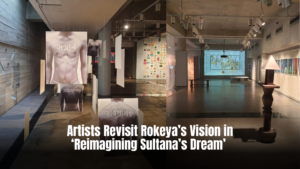
More than a century has passed after the legendary Begum Rokeya Sakhawat Hossain penned her iconic Sultana’s Dream (1905). To mark the 120th anniversary of the book—and its recognition in UNESCO’s Memory of the World (Asia-Pacific) register—the Liberation War Museum in Dhaka has launched Reimagining Sultana’s Dream, a group exhibition featuring works by twenty artists.     The exhibition, neatly curated by Sharmille Rahman, is jointly organized by the Liberation War Museum and Kalakendra with support from Libraries Without Borders and Alliance Française de Dhaka and runs at the museum’s sixth-floor temporary gallery until March 7.   Rokeya’s original narrative imagined a world where women govern society through reason, care, and scientific ingenuity, while men remain confined to domestic seclusion. The satire was sharp, the politics unmistakable: power, she argued, is not inherently masculine; it is merely monopolized.   Yet, as visitors move through this exhibition’s sprawling installations, photographs, textiles, videos, and conceptual works, one realizes that the distance between Rokeya’s dream and contemporary reality remains narrower than it should be—and far more troubling than we might like to admit.   The exhibition’s strength lies in its multiplicity of voices, and together, the artworks blur the boundary between literary homage and contemporary social critique. The artists visualized women’s invisible labor, persistent structural discrimination, and the resilience forged through everyday struggle.   Many installations dwell on domesticity, wage inequality, bodily autonomy, and the silent endurance that sustains both households and economies. They do not romanticize womanhood; instead, they interrogate how patriarchy shapes aspiration, opportunity, and even imagination.   For example, a striking, suspended photographic installation that features suspended images of men, where words such as “violence,” “wages,” “women’s labor,” and “possibility” are inscribed on their bodies. The images hang from the ceiling like a suspended interrogation. Are all these accusations aimed at men, women, or society at large?   The artist framed the artwork as a question: “Perhaps you are the hunter, or the hunted.” This ambiguity implicates the audience to confront their position within systems of power. Another installation draws on Chakma weaving traditions—offering a reminder that alternative models of gender coexistence have long existed within South Asia’s indigenous cultures.     The artwork gently counters the assumption that patriarchy is universal and immutable, proposing instead that social arrangements are historical choices—capable of being rewritten. Nearby, another artwork evokes the emotional terrain of women whose dreams remain pressed beneath social expectation, while another artwork centers working-class women, pairing video art with written testimonies that echo fatigue, hope, and perseverance.   Rather than presenting women as abstract symbols, the piece insists on specificity—on listening closely to lived experience. Similarly, another installation uses repetition of sound to halt the visitor mid-step, demanding attention to voices often ignored. Collectively, all the artworks from the 20 artists reveal a paradox. While Sultana’s Dream envisioned a radical overturning of patriarchal norms, today’s artists find themselves still grappling with remarkably similar realities. The exhibition suggests that Rokeya’s satire was not merely ahead of its time—it remains unfinished business. But the show does more than just honor the feminist legacy; it questions its limits. Can art about women’s struggle transcend gallery walls and urban cultural circles? Or does it risk becoming another enclosed space where pain is aestheticized rather than transformed? In this exhibition, women’s voices, bodies, protests, and questions take on material form—etched in fabric, projected on walls, suspended in midair; it does not offer easy resolutions; instead, it insists that Rokeya’s dream must be reread, revised, and challenged continuously as an evolving dialogue. Ultimately, the exhibition reminds us that Begum Rokeya’s feminist utopia is not a destination but a process—one that requires vigilance, critique, and collective imagination. She dreamed of a world liberated from gendered injustice. So the exhibition asks a harder, more urgent question: are we any closer to living in it?   Written by Shahbaz Nahian

Read More »

Unseen Works of Kibria at Kalakendra

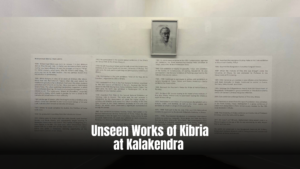
The lesser-known dimension of the late eminent artist Mohammad Kibria comes into view through a solo exhibition titled ‘An Artist’s Compilation: 84 Unseen Original Works (1980–2006)’, currently on display at Kalakendra, Dhaka. The exhibition presents 84 small-format works on paper, many of which are being exhibited publicly for the first time.     Supported by City Bank, the exhibition is organized jointly by Kalakendra and the artist’s family to mark what would have been his 97th birth anniversary.     The works in the exhibition are drawn from a handbound folio that Kibria himself compiled over more than two decades, suggesting a private archive shaped with care, discipline, and a quiet sense of purpose.   What distinguishes this exhibition is the revelation of a more introspective Kibria. These pieces operate on an intimate scale. Most are created on letter-sized paper using pencils, pens, watercolors, pastels, etching, oil, mixed media, and collage. Printed paper fragments, clipped magazine pages, textured layers, and restrained color interventions are prevalent throughout.   Several collages are composed of dark grounds—black, brown, or grey—onto which textured scraps and subtle tonal shifts have been assembled. In some places, small dabs of color punctuate the surface, while elsewhere, delicate linear gestures hover like afterthoughts.     All these smaller-scale artworks emphasize restraint, nuance, and philosophical calm. Several compositions also evoke an archaeological sensibility—surfaces that appear weathered by time, such as fragments of ancient walls, corroded metal plates, or fading manuscripts.     One particularly striking piece features a golden, matte texture that recalls eroded plaster, while another one features sharp white marks against a deep black field, resembling streaks of light piercing the darkness.   Furthermore, the absence of individual titles reinforces the sense that these works were never meant to be spectacles. Instead, they function like notes, meditations, or private experiments—records of sustained inquiry rather than declarations intended for the market or gallery wall.   Kibria himself selected and arranged these 84 works into a folio, binding them by hand and designing the cover. It remains unclear whether he intended to collect it for a future exhibition or publication. However, the artist’s particular focus on form, sequencing, and preservation is evident.   Beyond the artworks themselves, the folio also contains personal materials—letters, exhibition catalogues, photographs, and even a drawing gifted by fellow artist, another legend, Kamrul Hassan. Also on view is a letter appointing Kibria as an emeritus professor at the University of Dhaka in 2008. Together, these artifacts frame the folio as a time capsule that traces both artistic evolution and lived history.   Born on January 1st, 1929, in Birbhum (now in West Bengal, India), Mohammad Kibria graduated from the Calcutta Art College in 1950 before moving to Dhaka. He then joined the newly established Dhaka Art College in 1954. Later pursued advanced studies in Japan from 1959 to 1962 on a government-sponsored scholarship.   Over the decades, he established himself as a master printmaker, painter, and educator, retiring from the Institute of Fine Arts at the University of Dhaka in 1987. He received major national honors, including the Ekushey Padak and the Independence Award, and remained a revered figure until his death on June 7, 2011.   At a time when Kibria’s works have become increasingly scarce in public galleries, many now residing in private collections, this exhibition offers a rare opportunity to encounter a less visible chapter of his artistic journey. It reframes him as both a monumental modernist and a quiet chronicler of time, texture, and thought.   In the midst of Dhaka’s urban intensity, Kibria’s folio opens a slower, more meditative world—one in which paper, pigment, and memory converse in subdued tones. The exhibition does not merely commemorate an artist’s legacy; it expands it, revealing a body of work that is at once archival, philosophical, and strikingly alive.   The exhibition will run until February 2nd, 2026, open daily from 4 pm to 8 pm, with support from City Bank.   Written by Shahbaz Nahian  

Read More »

Gallery Plat-forms Hosts ‘Beyond the Veil’

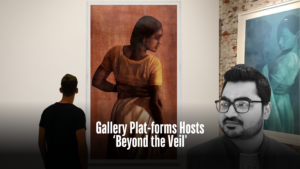
Gallery Plat-forms is hosting ‘Beyond the Veil’ – 3rd solo exhibition by M F I Mazumder Shakil. In this exhibition, the artist presents the ancient medium of woodcut in a fresh, contemporary artistic form. A total of 24 woodcut prints are on display which includes 8 large-scale works.     The exhibition began on November 9 and has now been extended until December 13, with visiting hours from 11 am to 8pm.   As noted by Gallery Plat-forms, in ‘Beyond the Veil’, Shakil revives the long-format woodcut to explore a world both intimate and exclusive. Through sweeping panels in amber, midnight blue, and stark monochrome, a woman emerges through fabric, fold and shadow.   The veil becomes a threshold rather than concealment, inviting us to see without seeing. Each cut and layer conjures the textures of cloth and memory, secrecy and freedom. Part portrait, part landscape of the unseen.   Beyond the veil transcends identity to question how we perceive, what lies hidden. Rooted in tradition yet distinctly contemporary. Shakil’s work reimagines the politics of visibility and expands the language of global printmaking.     “My work is primarily in printmaking – specifically woodcut. I begin by drawing on plywood or any other board, then carve the block using woodcut tools based on the distribution of light and shadow.   After that, I apply ink to the block with a roller through various processes, and finally transfer the print onto paper. Depending on the size, completing a single piece can take several months,” explains Shakil.   “I have participated in various exhibitions, art camps, and art fairs both in Bangladesh and abroad. In the future, I plan to organize solo exhibitions outside the country as well.   In recent times, young artists in Bangladesh have been tirelessly pursuing creative practice, and their works have already received significant recognition on the international stage.     However, the overall acceptance of fine arts within the country has yet to reach the desired level. I remain hopeful that with proper patronage and support, our artists will be able to present Bangladesh’s artistic heritage to the world with even greater distinction,” the artist further adds.   Mohammed Fakhrul Islam Mazumder, a Bangladeshi artist born in Comilla in 1989. He completed his M.F.A and B.F.A in Printmaking from the Faculty of Fine Arts at Dhaka University in 2016 and in 2014.   Mazumder has held two solo exhibitions— “Obscure Beauty” (GalleryChitrak, 2023) and “The Odyssey of the Soul” (Zainul Gallery, 2018). His art has been showcased widely across Asia,Europe, and Australia, including major exhibitions in Japan, China, Thailand, Korea, India, Nepal, and Bangladesh.   He has received numerous national and international awards such as the 26th Berger Young Painters’ Award (2022), Excellent Works Award, COP15 Global Art & Design Competition, China (2022), 2nd International Print Biennale Award, India (2021), and the Shilpacharya Zainul Abedin Award (2019).   Mazumder’s works are part of collections at the China Printmaking Museum, Ino-cho Paper Museum (Japan), Bengal Foundation, and Lalit Kala Academy (India). He has also participated in several artist residencies, including the Chitrashala International Artist Residency in India and Kali Artist Residency at Cosmos Atelier 71, Bangladesh.   Currently, Mazumder continues to experiment with layers of print, texture, and form to reflect the subtle interplay between the visible and the unseen. Through this exhibition, Shakil opens a new doorway not only to beauty but also to perception. His works, imprinted with the labor of hand-carved marks on solid wood surfaces, unfold into a poetry of light and shadow.   This exhibition is part of Gallery Plat-forms’ commitment to presenting Bangladeshi artists who bring together heritage and contemporaneity, offering them anew to the global stage.   Written by Tasmiah Chowdhury   Photo Credits Sarmin Akter lina Gallery plat-Forms

Read More »

International Affiliations

Business Insights

Winter edition of Dhaka International Yarn & Fabric Show begins tomorrow

The stage is all set for the 25th Dhaka International Yarn & Fabric Show 2026 – Winter Edition, which will be held from January 28 to 31, 2026, at the International Convention City Bashundhara (ICCB).     The exhibition marks the 25th anniversary of Bangladesh’s longest-running B2B yarn and fabric sourcing platform, and it will be organised by CEMS-Global USA in association with the China Council for the Promotion of International Trade (CCPIT-TEX).   As part of CEMS-Global USA’s textile series of exhibitions held across three continents, the Dhaka International Yarn & Fabric Show is regarded as one of the most established platforms for textile manufacturers and suppliers.   The event will feature yarns, fabrics, denim, accessories, trims, and textile technologies, bringing together global manufacturers, suppliers, and buyers.   Organisers said the event is positioned as a key sourcing platform for Bangladesh’s textile and apparel industry, which is valued at more than $47 billion and has established the country as the world’s second-largest apparel exporter.     Exhibitors from multiple countries will present new innovations and sourcing opportunities, with a focus on advanced yarn technologies, sustainable fabric solutions, and textile machinery, according to the website of the showcase.   The exhibition will provide opportunities for business networking, technology transfer, and market expansion, while reinforcing Bangladesh’s role as a growing global textile hub.   Visitors will be able to explore functional fabrics, natural fibres, denim, embroidery, artificial leather, and home textiles. The show is designed to connect international suppliers with local manufacturers and exporters, encouraging collaboration and strengthening Bangladesh’s competitiveness in global markets.     The exhibition will run daily from 10:00 am to 7:00 pm at the International Convention City Bashundhara (ICCB), with registration required for entry.   Industry representatives said the show comes at a time when Bangladesh’s textile sector is expanding rapidly and diversifying into new product categories to meet global demand.   The 25th edition also coincides with the 8th Denim Bangladesh exhibition, which will highlight developments in denim and casual wear. Together, the two events will cover the full spectrum of textile sourcing and production, offering buyers and suppliers a comprehensive view of Bangladesh’s capabilities.   Organisers emphasized that the show’s 25-year legacy demonstrates its importance to the industry and its role in supporting Bangladesh’s rise as a major textile and apparel exporter.   They said the 2026 edition will continue to strengthen Dhaka’s position as a centre for textile trade and innovation in South Asia.   Written By Nibir Ayaan

Read More »

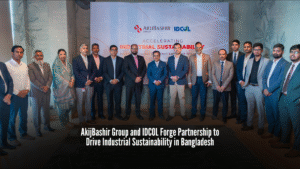
AkijBashir Group has entered into a strategic partnership with the Infrastructure Development Company Limited (IDCOL)

In a major step toward sustainable industrial growth, AkijBashir Group has entered into a strategic partnership with the Infrastructure Development Company Limited (IDCOL) to promote energy efficiency and renewable energy across its operations. The collaboration, formalized at an event held at Sheraton Dhaka, marks a significant milestone in advancing green industrial practices in Bangladesh.     AkijBashir Group has been funding several sustainability projects in the last couple of years through its Energy Efficiency and Rooftop Solar financing programs funded by IDCOL. These projects have enabled the deployment of industrial rooftop solar capacity of more than 90MWp, of which over 60MWp has been deployed and has become one of the largest solar portfolios in the private sector in Bangladesh.     One of the highlights of the joint venture is a pioneer project of Janata Jute Mills Ltd. in Boalmari, Faridpur, that will become the first in the world to be a fully operational jute mill using renewable energy by the first quarter of 2026. In the long-term sustainability, the Group targets to produce a renewable energy of 1,000 MWh every day by 2027.     During the event, AkijBashir Group Managing Director, Mr. Taslim Md. Khan, and IDCOL Executive Director and CEO, Mr. Alamgir Morshed, emphasized the role of collaboration in the development of the future of the low-carbon industry. AkijBashir Group is determined to be 100% renewable in all its manufacturing plants by the year 2030, which is in line with its vision Beyond Tomorrow- impetus on sustainability, innovation, and industrial perfection.

Read More »

World Investor Week rings the bell on financial fraud awareness

A global initiative to promote investor education and protection is underway as World Investor Week 2025 runs from October 6 to 12, led by the International Organization of Securities Commissions (IOSCO).     Now in its latest edition, the campaign aims to raise awareness about the importance of financial literacy, responsible investing, and the protection of investors in an increasingly digital and complex financial landscape. The global campaign features participation from securities regulators, exchanges, financial organisations, and educators across six continents, with events tailored to national and regional contexts. Activities include public awareness drives, webinars, training sessions, and outreach campaigns designed to help investors make informed decisions and guard against fraud. A flagship feature of the campaign is the “Ring the Bell for Financial Literacy” initiative, held in collaboration with the World Federation of Exchanges (WFE). Stock exchanges around the world symbolically “ring the bell” to demonstrate their commitment to investor education and market transparency.     Focus on Fraud, Digital Threats, and Investor Awareness This year’s programme includes a strong emphasis on the emerging threat of digital fraud, particularly those involving artificial intelligence and online scams. On October 7, U.S. regulators including the National Futures Association (NFA), FINRA, and the Commodity Futures Trading Commission (CFTC) hosted a webinar titled “Deconstructing to Disrupt Fraud”, which was a two-part event featuring Dr. Arda Akartuna. The session explored how AI technologies are being weaponised by fraudsters, and how regulators and investors can respond with vigilance and education. In Indonesia, the national financial regulator Otoritas Jasa Keuangan (OJK) is hosting a regional webinar on October 9 titled “Empowering Investors: Invest Wisely and Stay Safe from Fraud and Scams.” The event features speakers from IOSCO’s Committee on Retail Investors and will discuss practical strategies to improve retail investor protection. Investor education for older adults is also a priority in this year’s campaign. In the United States, the CFTC, FBI, and AARP have partnered on outreach aimed at Americans aged 50 and older, focusing on helping them identify and avoid scams. The organisers report that over 250 participants registered for this dedicated session. Global Backing and Institutional Support World Investor Week is supported by a wide range of international partners, including: The World Bank OECD G20 Sustainable Stock Exchanges (SSE) Initiative International Financial Reporting Standards (IFRS) Foundation European Fund and Asset Management Association (EFAMA) These partnerships reinforce IOSCO’s broader mission to promote not only awareness, but also long-term behavioural change among investors and institutions globally. As the global standard-setter for securities regulation, IOSCO collaborates closely with the Financial Stability Board (FSB) and the G20 to ensure that investor protection remains a key pillar of global financial integrity and stability. Building Resilience in a Complex Investment Landscape With financial markets rapidly evolving due to digitisation, AI technologies, and cross-border investment platforms, retail investors are exposed to new complexities and risks. World Investor Week serves as a timely reminder of the need for robust financial education, stronger regulatory safeguards, and proactive public engagement. As the campaign continues through October 12, organisers hope to empower individuals with the knowledge to navigate risks, detect fraud, and contribute to more resilient financial markets across all levels of society.   Written By Nibir Ayaan

Read More »

Watch On

Ceramic Bangladesh

Testimonials

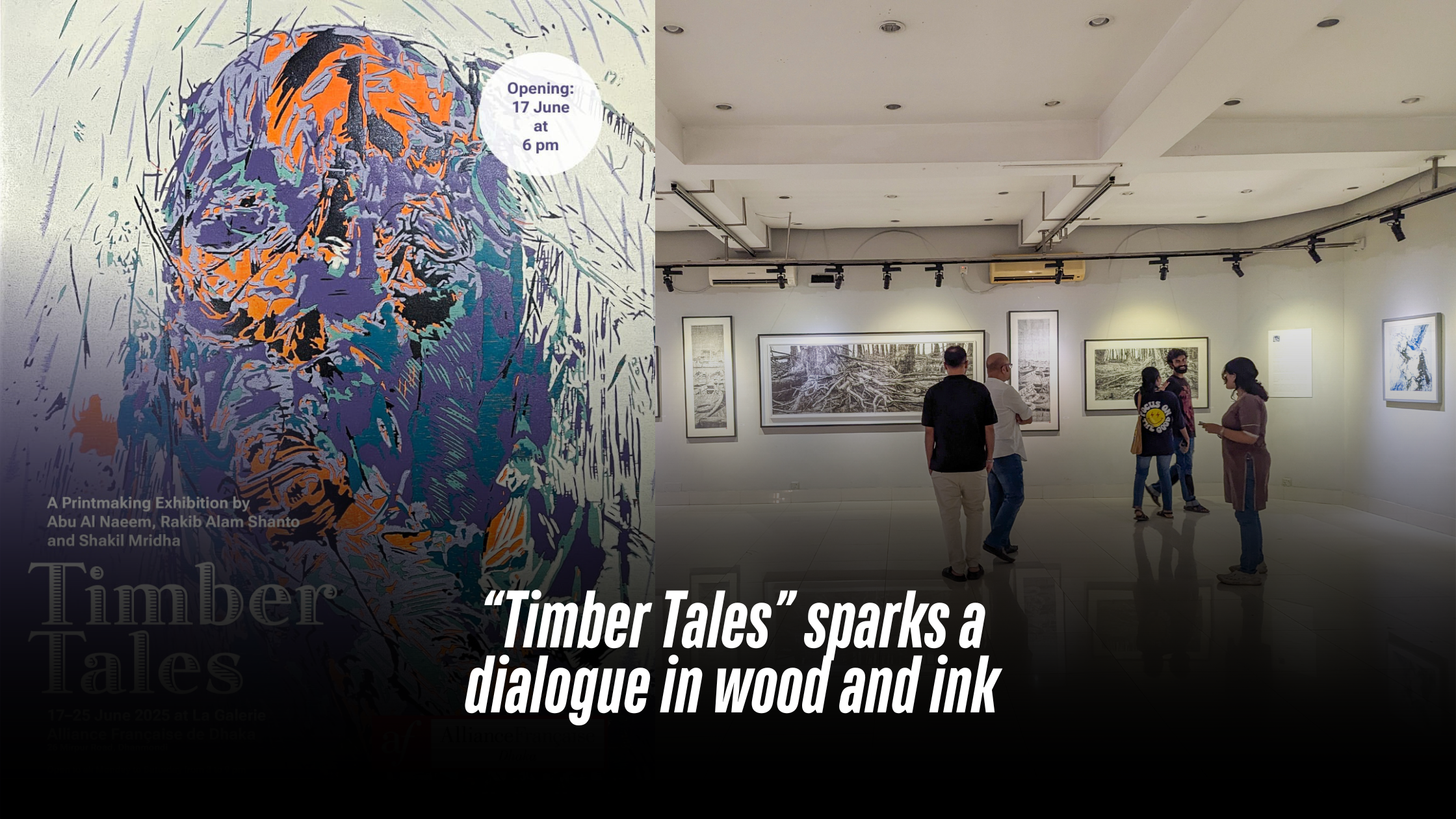
“Timber Tales” sparks a dialogue in wood and ink

The ongoing exhibition titled Timber Tales at La Galerie, Alliance Française de Dhaka, invites audiences to experience the collaborative journey of three emerging artists who explore memory, process, and material through the art of woodcut printmaking.     Within the exhibition, a faint, earthy scent of wood and ink hangs in the air. Walking into the gallery, some might find themselves pausing longer than expected, tracing the grain of the wood, as if searching for their own stories between the lines.   The exhibition features three artists—Rakib Alam Shanto, Shakil Mridha, and Abu Al Naeem—who express individuality through their woodcut prints. This contemplative exhibition is running from June 17 to June 25, 2025.     Curated by the artists themselves, the exhibition reimagines the possibilities of woodcut as a medium. Here, the tactile intimacy of carved timber meets the visual language of reflection, nostalgia, and search.   As you wander through the space, individual voices emerge. Shakil Mridha’s work, with its minimalistic yet profound geometric forms, feels like a contemporary ode to Bangladeshi folk art, skillfully abstracting familiar motifs. Rakib Alam Shanto’s large-scale black and white pieces command attention, a powerful revival of a classic tradition, showcasing his remarkable focus. And Abu Al Naeem’s pieces, often abstract, subtly reveal hidden figures, reflecting his continuous exploration of materials and techniques. Each artist, in their unique way, elevates woodcut beyond mere reproduction, transforming it into a medium of profound personal expression. And through that expression, each of their work reflects the heart of the creative process, where stories are carved into existence.     At the heart of Timber Tales is a tribute to beginnings, to the mentor who shaped them, and to the space where it all began. Their acknowledgement of Professor Md. Anisuzzaman, whose generous guidance helped steer their vision, reveals the deeply collaborative ethos of the show. “This is where it all began—for the three of us,” reads a line from the exhibition note, underscoring the intimate bond between craft, community, and coming-of-age.   In an era of digital immediacy, there’s something revolutionary about the deliberate slowness of woodcut. And the three artists have breathed new life into the ancient art of woodcut. More than just a technique, it’s a dialogue between human touch and natural materials. Each frame holds a deeper narrative of tireless dedication—the careful selection of wood, the precise cuts, the methodical inking, and the final, expectant press.   Open to all and continuing until 25 June 2025, Timber Tales will leave visitors with more than just images on paper. In a city rushing to reinvent itself, the exhibition feels like a pause, a reminder of our roots with a sense of belonging—to the artists, to the materials, and to the timeless, meditative act of making.   Written By Samira Ahsan


Royal (Vietnam) selects SACMI technology for a new slab line

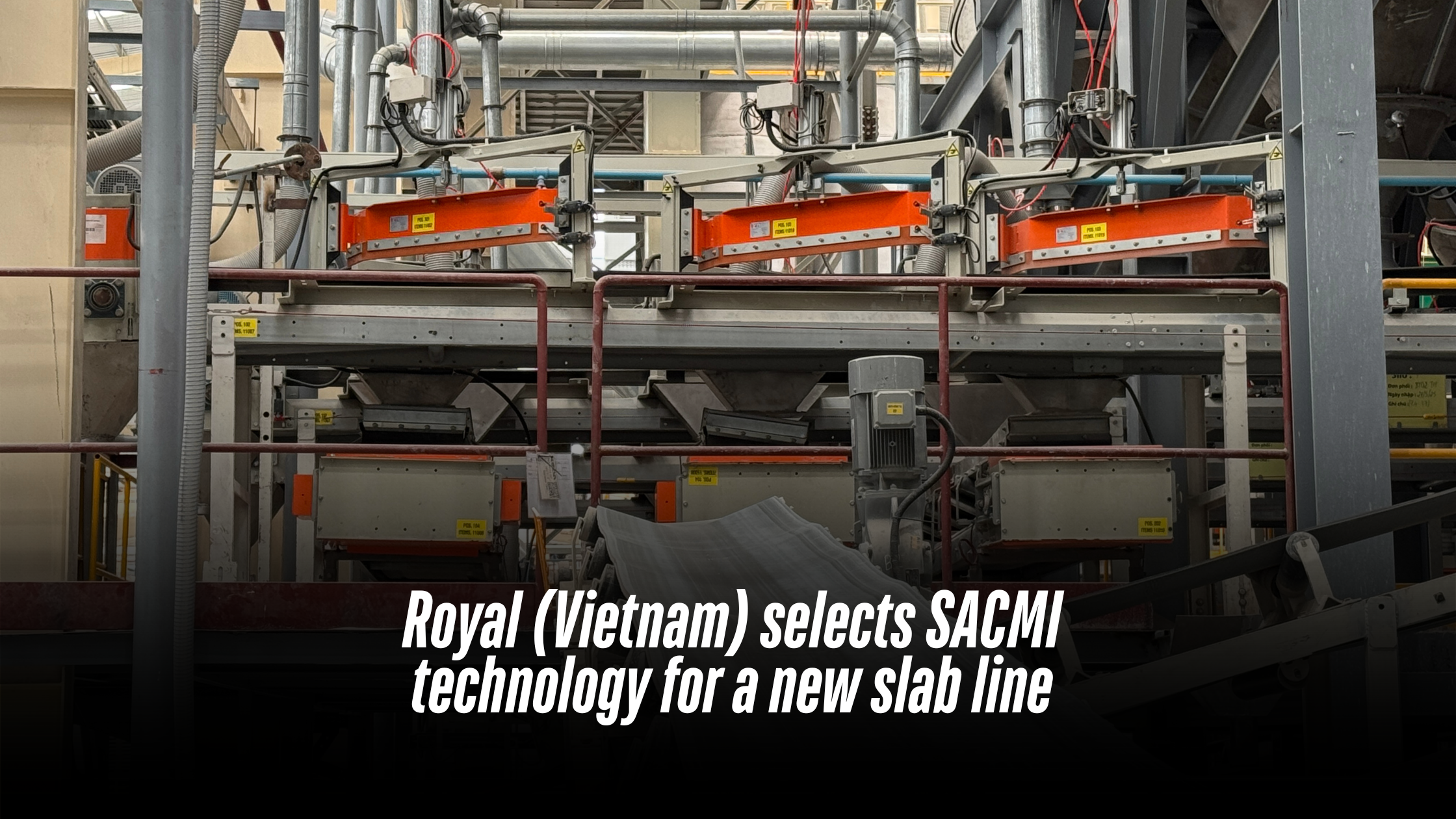
The heart of the order is the new Continua+ 2180, equipped with cutting-edge digital decoration solutions     Following installation of the new SACMI Continua+ 2180, Royal (Vietnam) becomes the first Asia-Pacific group to equip itself with SACMI technology for on-surface and through-body slab decoration. Moreover, the line is digitally coordinated with Deep Digital solutions, supplied here in an all-round configuration: two DHD digital wet decorators and a DDG digital grit-glue decorator.     The new line will allow Royal to expand its range by creating new products with unmatched three-dimensional ‘material’ effects, all the strength and durability of ceramic, and a look that mirrors the aesthetics of natural materials. This important investment decision was not motivated by the innovative forming and decorating technology alone: equally crucial was SACMI’s ability to supply the complete plant, from body preparation (with two spray dryers and relative spray-dried powder conveying/storage systems) to firing in a high-efficiency roller kiln. Already strongly positioned on international markets, Royal has now – with SACMI – taken quality in these high-added-value segments to the next level. For example: the manufacture of ceramic countertops and furnishing accessories, with all the advantages Continua+ has to offer in terms of versatility, productivity and fully flexible control of size and thickness, in coordination with all the digital devices on the line.

Akij Tableware Art of Plating: Season 2 Crowns the “Plating Maestro”

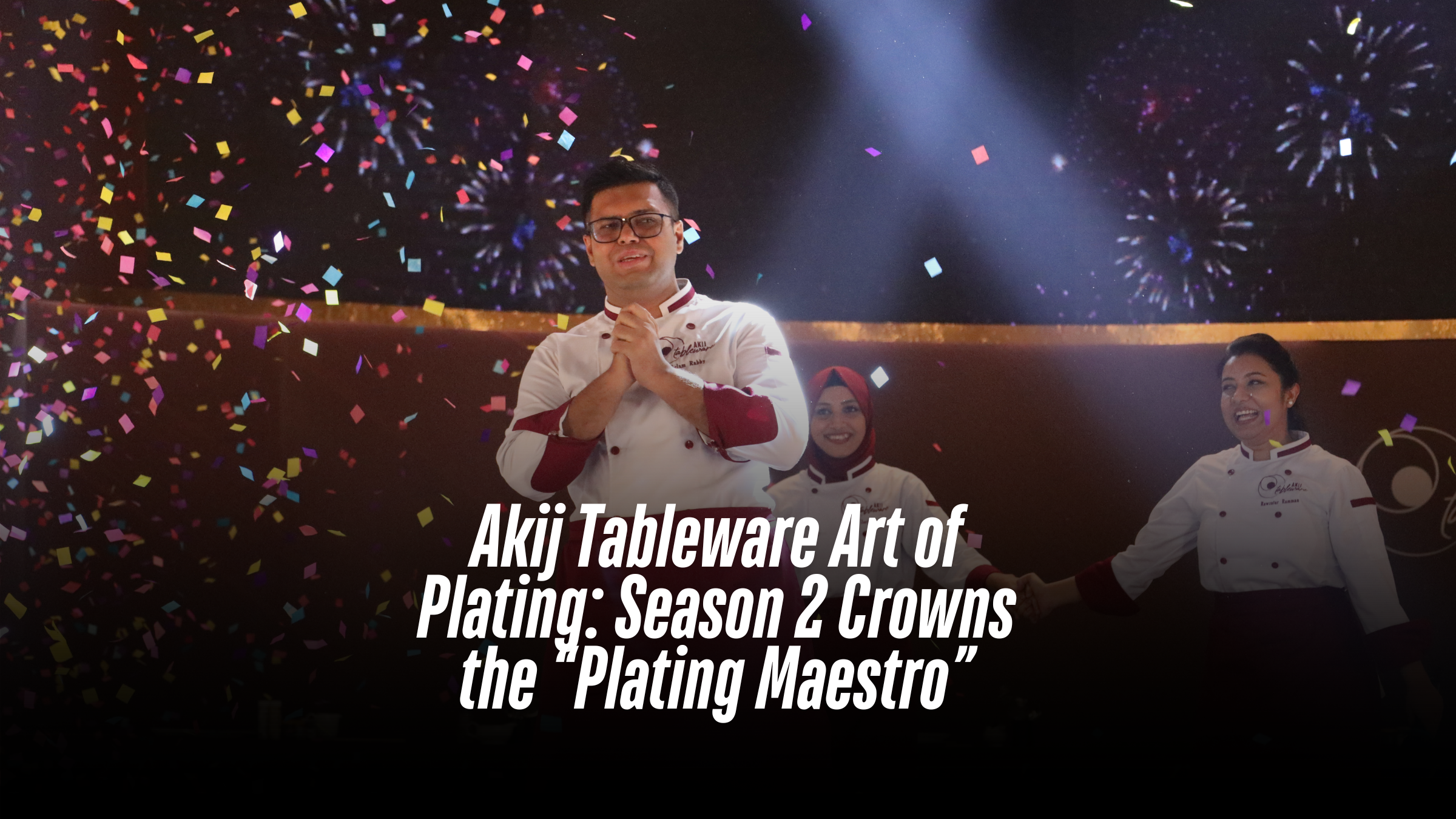
The curtain has drawn on the remarkable journey of Akij Tableware Art of Plating: Season 2, the pioneering reality show that reimagined tableware as a medium for creative expression and showcased the artistry of modern plating. Following weeks of intense competition, visually striking presentations, and exceptional culinary performances, the grand finale—held on May 16, 2025—served as a fitting conclusion to a season defined by innovation and excellence. Md. Golam Rabby emerged victorious as the champion, taking home the Plating Maestro title along with BDT 10,00,000 along with a professional plating course, national media exposure, and an exclusive Akij Tableware dinner set. The competition was fierce, with equally impressive performances by the runners-up: Iffat Jerin Sarker, awarded Plating Icon (1st Runner-up), received BDT 5,00,000; Dr. Rawzatur Rumman, crowned Plating Maverick (2nd Runner-up), won BDT 3,00,000; Homayun Kabir and Nawsheen Mubasshira Rodela, honored as Plating Masterminds (4th and 5th place respectively), each received BDT 1,00,000. Hosted across Banglavision, RTV, Deepto TV, and streaming on Chorki, Akij Tableware Art of Plating: Season 2 captivated audiences nationwide with its unique blend of tradition and innovation. Contestants turned beloved dishes into visual and gastronomic masterpieces, judged on aesthetics, technique, and culinary understanding. Akij Tableware Art of Plating: Season 2 redefined how we experience food—elevating it from everyday necessity to a dynamic, visual art form. The show celebrated creativity, precision, and innovation, turning each plate into a canvas where flavor met form. Throughout the season, contestants pushed boundaries, transforming ingredients into stunning, story-driven presentations that delighted both the eyes and the palate. More than a competition, this season launched a new movement in culinary expression, inspiring audiences to rethink how food is seen, served, and appreciated. And the journey isn’t over—a new season is coming soon, promising fresh talent, bold ideas, and next-level plating artistry. To stay updated on what’s next, follow www.aop.com.bd and join the evolution of food into a true visual experience.

“Timber Tales” sparks a dialogue in wood and ink

The ongoing exhibition titled Timber Tales at La Galerie, Alliance Française de Dhaka, invites audiences to experience the collaborative journey of three emerging artists who explore memory, process, and material through the art of woodcut printmaking.     Within the exhibition, a faint, earthy scent of wood and ink hangs in the air. Walking into the gallery, some might find themselves pausing longer than expected, tracing the grain of the wood, as if searching for their own stories between the lines.   The exhibition features three artists—Rakib Alam Shanto, Shakil Mridha, and Abu Al Naeem—who express individuality through their woodcut prints. This contemplative exhibition is running from June 17 to June 25, 2025.     Curated by the artists themselves, the exhibition reimagines the possibilities of woodcut as a medium. Here, the tactile intimacy of carved timber meets the visual language of reflection, nostalgia, and search.   As you wander through the space, individual voices emerge. Shakil Mridha’s work, with its minimalistic yet profound geometric forms, feels like a contemporary ode to Bangladeshi folk art, skillfully abstracting familiar motifs. Rakib Alam Shanto’s large-scale black and white pieces command attention, a powerful revival of a classic tradition, showcasing his remarkable focus. And Abu Al Naeem’s pieces, often abstract, subtly reveal hidden figures, reflecting his continuous exploration of materials and techniques. Each artist, in their unique way, elevates woodcut beyond mere reproduction, transforming it into a medium of profound personal expression. And through that expression, each of their work reflects the heart of the creative process, where stories are carved into existence.     At the heart of Timber Tales is a tribute to beginnings, to the mentor who shaped them, and to the space where it all began. Their acknowledgement of Professor Md. Anisuzzaman, whose generous guidance helped steer their vision, reveals the deeply collaborative ethos of the show. “This is where it all began—for the three of us,” reads a line from the exhibition note, underscoring the intimate bond between craft, community, and coming-of-age.   In an era of digital immediacy, there’s something revolutionary about the deliberate slowness of woodcut. And the three artists have breathed new life into the ancient art of woodcut. More than just a technique, it’s a dialogue between human touch and natural materials. Each frame holds a deeper narrative of tireless dedication—the careful selection of wood, the precise cuts, the methodical inking, and the final, expectant press.   Open to all and continuing until 25 June 2025, Timber Tales will leave visitors with more than just images on paper. In a city rushing to reinvent itself, the exhibition feels like a pause, a reminder of our roots with a sense of belonging—to the artists, to the materials, and to the timeless, meditative act of making.   Written By Samira Ahsan

Royal (Vietnam) selects SACMI technology for a new slab line

The heart of the order is the new Continua+ 2180, equipped with cutting-edge digital decoration solutions     Following installation of the new SACMI Continua+ 2180, Royal (Vietnam) becomes the first Asia-Pacific group to equip itself with SACMI technology for on-surface and through-body slab decoration. Moreover, the line is digitally coordinated with Deep Digital solutions, supplied here in an all-round configuration: two DHD digital wet decorators and a DDG digital grit-glue decorator.     The new line will allow Royal to expand its range by creating new products with unmatched three-dimensional ‘material’ effects, all the strength and durability of ceramic, and a look that mirrors the aesthetics of natural materials. This important investment decision was not motivated by the innovative forming and decorating technology alone: equally crucial was SACMI’s ability to supply the complete plant, from body preparation (with two spray dryers and relative spray-dried powder conveying/storage systems) to firing in a high-efficiency roller kiln. Already strongly positioned on international markets, Royal has now – with SACMI – taken quality in these high-added-value segments to the next level. For example: the manufacture of ceramic countertops and furnishing accessories, with all the advantages Continua+ has to offer in terms of versatility, productivity and fully flexible control of size and thickness, in coordination with all the digital devices on the line.

Akij Tableware Art of Plating: Season 2 Crowns the “Plating Maestro”

The curtain has drawn on the remarkable journey of Akij Tableware Art of Plating: Season 2, the pioneering reality show that reimagined tableware as a medium for creative expression and showcased the artistry of modern plating. Following weeks of intense competition, visually striking presentations, and exceptional culinary performances, the grand finale—held on May 16, 2025—served as a fitting conclusion to a season defined by innovation and excellence. Md. Golam Rabby emerged victorious as the champion, taking home the Plating Maestro title along with BDT 10,00,000 along with a professional plating course, national media exposure, and an exclusive Akij Tableware dinner set. The competition was fierce, with equally impressive performances by the runners-up: Iffat Jerin Sarker, awarded Plating Icon (1st Runner-up), received BDT 5,00,000; Dr. Rawzatur Rumman, crowned Plating Maverick (2nd Runner-up), won BDT 3,00,000; Homayun Kabir and Nawsheen Mubasshira Rodela, honored as Plating Masterminds (4th and 5th place respectively), each received BDT 1,00,000. Hosted across Banglavision, RTV, Deepto TV, and streaming on Chorki, Akij Tableware Art of Plating: Season 2 captivated audiences nationwide with its unique blend of tradition and innovation. Contestants turned beloved dishes into visual and gastronomic masterpieces, judged on aesthetics, technique, and culinary understanding. Akij Tableware Art of Plating: Season 2 redefined how we experience food—elevating it from everyday necessity to a dynamic, visual art form. The show celebrated creativity, precision, and innovation, turning each plate into a canvas where flavor met form. Throughout the season, contestants pushed boundaries, transforming ingredients into stunning, story-driven presentations that delighted both the eyes and the palate. More than a competition, this season launched a new movement in culinary expression, inspiring audiences to rethink how food is seen, served, and appreciated. And the journey isn’t over—a new season is coming soon, promising fresh talent, bold ideas, and next-level plating artistry. To stay updated on what’s next, follow www.aop.com.bd and join the evolution of food into a true visual experience.

Associates

Our Partners